
Have you ever wondered how much of the world’s power actually comes from the sun? Solar energy is growing fast, but do you know what percentage of your electricity might be powered by those shining rays?
Understanding this can help you see the real impact of solar power on your daily life and the future of energy. Keep reading to discover the surprising numbers behind solar energy and what they mean for you and your community.
Global Solar Power Contribution
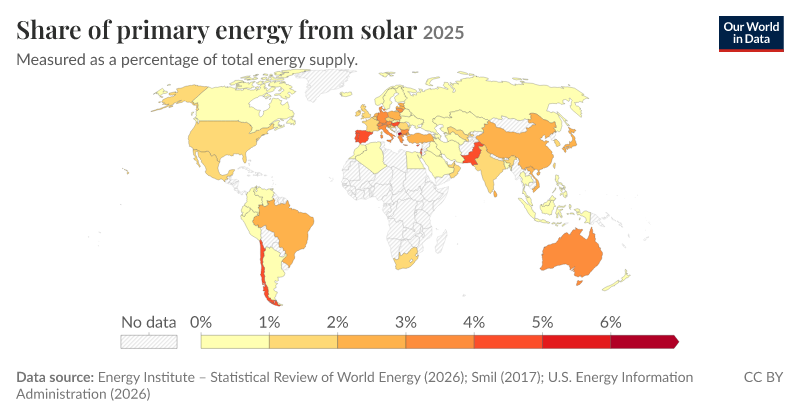
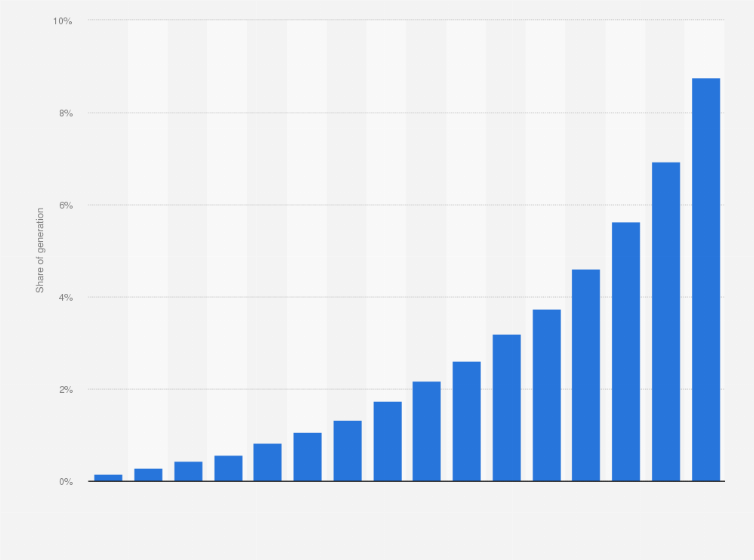
Solar energy provides about 3% of the world’s electricitytoday. This number is growing each year as more solar panels are installed globally.
Solar power growth has been fast and steady. In the last decade, the solar share of electricity rose from less than 1% to over 3%. This shows a strong trend toward clean energy.
| Year | Global Solar Power (%) |
|---|---|
| 2010 | 0.5 |
| 2015 | 1.5 |
| 2020 | 2.8 |
| 2023 | 3.2 |
- Solar power is clean and renewable.
- Costs of solar panels are dropping.
- Many countries are investing in solar energy.
- Solar power helps reduce pollution.

Credit: ourworldindata.org
Leading Countries In Solar Power
China, the USA, and India lead in solar power generation. China produces about 30%of the world’s solar energy. The USA follows with around 15%. India is growing fast, contributing nearly 10%.
| Country | Solar Power Share (%) | Installed Capacity (GW) |
|---|---|---|
| China | 30 | 350 |
| USA | 15 | 120 |
| India | 10 | 80 |
| Germany | 8 | 60 |
Strong government policieshelp solar growth. Many countries offer tax breaksand subsidies. This lowers the cost of solar panels. Rules also encourage clean energy use. This leads to more solar plants and jobs.
Solar Power’s Role In Renewable Energy Mix
Solar power produces about 10% of the world’s renewable energy. It is growing fast but still smaller than wind and hydro. Wind power contributes around 20%and hydroelectric power about 60%of renewable energy.
| Renewable Source | Share in Renewable Energy (%) |
|---|---|
| Hydroelectric | 60 |
| Wind | 20 |
| Solar | 10 |
| Others (Geothermal, Biomass) | 10 |
Solar power helps reduce fossil fuel use. More solar means less coal and oil burned. This lowers air pollutionand carbon emissions. It makes energy cleaner and safer for the planet.
Credit: ourworldindata.org
Factors Affecting Solar Power Generation
Solar power generationdepends a lot on where the panels are placed. Places near the equator get more sunlight all year. Cloudy or rainy areas get less solar energy. The time of year also matters. Summer days give more sunlight than winter days. Mountains and tall buildings can block the sun.
New technologyhelps solar panels work better. Panels now capture more sunlight and turn it into power faster. Some use special materials to work even when it’s cloudy. Batteries store extra energy for night or cloudy times. Smart systems help control how much power is used or saved.
Challenges Facing Solar Energy Expansion
Storage and grid integrationare major hurdles for solar energy growth. Solar power depends on sunlight, which is not constant. Batteries can store energy but are still expensiveand have limited capacity. The electric grid must handle changes in power supply from solar plants. This needs new technologyand better planningto keep the lights on.
Cost and infrastructure issuesalso slow down solar expansion. Setting up solar panels and systems requires a large upfront investment. Many areas lack the infrastructureto support solar power easily. Maintenance and repair add to the costs. These factors make solar less affordable for some communities.
Future Projections For Solar Power
Solar power is growing fast worldwide. Experts expect its share in energy to rise by about 10-15% annuallyover the next decade. This means solar will provide a much larger part of the world’s electricity soon.
New innovationshelp solar panels work better and cost less. Technologies like perovskite cellsand solar tracking systemsimprove energy capture. These advances make solar power more reliable and affordable.
- Solar panels will become more efficient.
- Energy storage solutions will improve.
- Smarter grids will handle solar energy better.
Surprising Facts About Solar Energy
Solar energy creates about 3% of the world’s electricitytoday. This number is growing every year as more countries use solar power. Solar panels turn sunlight into clean energy without pollution.
Solar power has many unexpected benefits. It helps reduce electric billsand lowers carbon emissions. It also creates jobsin new industries. Solar panels need little maintenance and can last over 25 years.
| Myths | Reality |
|---|---|
| Solar panels don’t work on cloudy days. | They still produce some energy even with clouds. |
| Solar energy is too expensive. | Costs have dropped and solar is now affordable. |
| Solar panels need a lot of space. | They can fit on rooftops and small areas. |
| Solar power can’t meet all energy needs. | It is growing fast and can cover more demand soon. |
Credit: www.statista.com
Frequently Asked Questions
What Percentage Of Global Power Comes From Solar Energy?
Solar energy contributes about 3% to the global electricity supply as of 2024. Its share is rapidly increasing due to falling costs and policy support worldwide.
How Much Power Does Solar Generate In The Us?
In the United States, solar power generates nearly 4. 5% of total electricity. This percentage continues to grow with expanding solar installations and incentives.
What Factors Affect Solar Power’s Percentage In Energy Mix?
Solar power’s share depends on sunlight availability, technology efficiency, and government policies. Economic factors and energy demand also influence its growth and adoption rates.
Can Solar Power Meet 100% Of Energy Needs?
Solar alone cannot yet meet 100% of energy needs due to storage and intermittency issues. However, combined with other renewables and storage, it has great potential.
Conclusion
Solar power’s potential is vast and growing each year. Its share in global energy keeps increasing. Many countries invest heavily in solar technology. This shift supports a cleaner environment. Solar energy reduces reliance on fossil fuels. It also helps cut carbon emissions.
Communities worldwide benefit from more solar installations. As technology improves, solar power becomes more efficient. This trend is positive for both the planet and energy consumers. Embracing solar energy offers a sustainable path forward. It ensures a brighter, cleaner future for everyone.