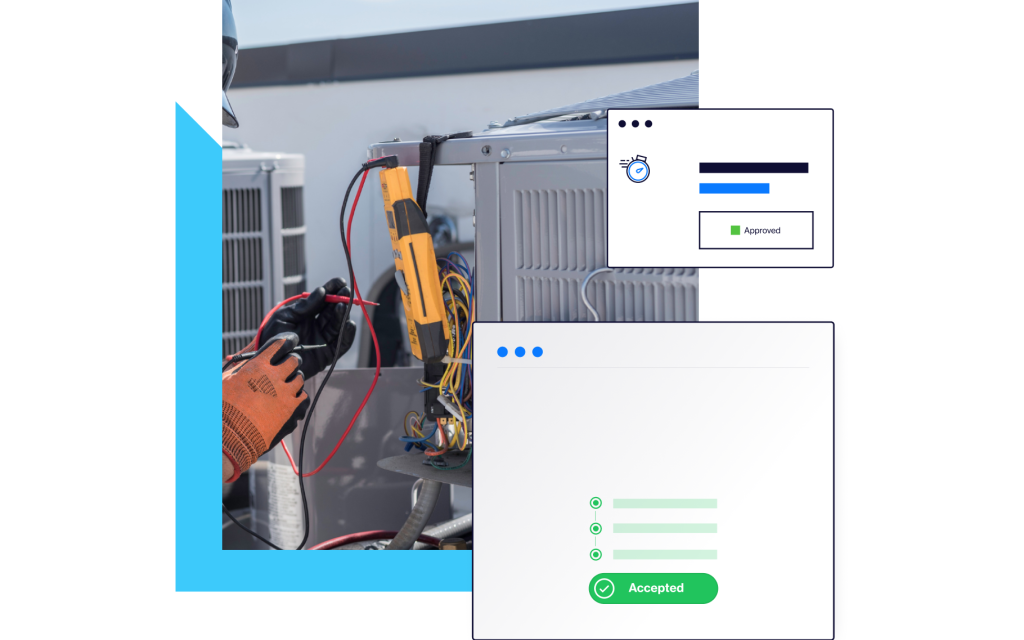
Thinking about installing a home backup generator? You’re not alone.
With power outages becoming more frequent, having a reliable source of backup power can be a lifesaver. But before you fire up your generator, there’s a crucial step you shouldn’t overlook: permits. Navigating the maze of permits can feel overwhelming, but understanding what’s required is essential to avoid potential headaches down the line.
Imagine the peace of mind knowing you’re fully compliant and prepared for any emergency. You’ll discover exactly what permits you need, how to get them, and why they matter. Keep reading to ensure your home and family are ready for any power interruption.
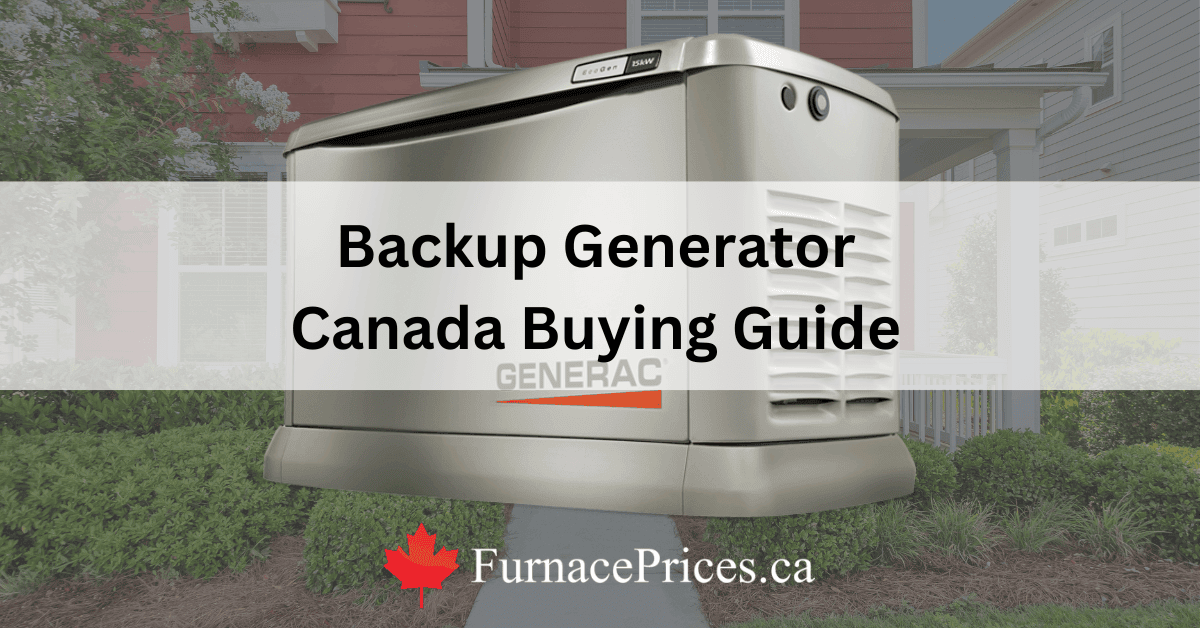
Credit: www.furnaceprices.ca
Types Of Home Backup Generators
Portable generatorsare small and easy to move. They are great for short power outages. They often cost less than stationary ones. But they need fuel refilling often. Stationary generators, also known as standby generators, are fixed in one spot. They automatically turn on during power cuts. They provide power for longer periods. They are more expensive but reliable. Choosing between them depends on your needs.
| Fuel Type | Pros | Cons |
|---|---|---|
| Gasoline | Easy to find, portable | Short shelf life, smelly |
| Diesel | Long shelf life, efficient | Noisy, costly |
| Propane | Clean, long shelf life | Needs storage tanks |
| Natural Gas | Never runs out, clean | Needs gas line |
Understanding Local Regulations
Understanding Local Regulations Securing permits for a home backup generator involves checking local zoning laws and building codes. Contact your local government office to identify specific requirements. Ensure compliance with safety standards to avoid legal issues.
Zoning Laws
Check if your area allows backup generators. Some places have strict rules. You may need a permit to install a generator. Zoning laws control where you can put the generator. They may decide how close it is to your house. Sometimes, they also limit how far it can be from neighbors.
Noise Restrictions
Generators can be loud. Many areas have rules about noise levels. You might need to choose a quiet model. Some places require noise tests. You may have to build barriers to reduce sound. Check if your town has noise limits. You might need a special permit if the generator is too noisy.
Electrical Permits
Installing a home backup generator often requires electrical permits. Check local regulations to ensure compliance. Proper permits ensure safety and adherence to building codes.
Requirements For Installation
Installing a home backup generator needs an electrical permit. This permit ensures safety and compliance with local codes. A licensed electrician usually applies for this permit. They check if your home wiring is compatible. The generator should be a safe distance from the house. Proper ventilation is also important. This prevents harmful gas buildup. Always follow the manufacturer’s instructions carefully.
Inspection Process
After installation, an inspection is necessary. The inspector checks the generator’s placementand connections. They ensure it meets all safety standards. The inspector also verifies the electrical wiring. If everything is correct, they approve the installation. This process ensures your generator works safely. Always schedule an inspection after installation. It is a critical step for safety.

Credit: www.permitflow.com
Plumbing Permits
Installing a home backup generator often requires specific permits, including plumbing permits for gas connections. Local regulations determine the exact permits needed, ensuring safe and compliant installation.
Gas Line Installation
Installing a gas line needs a special permit. This ensures safety. Professionals should handle gas line work. They know the right steps and rules. Checking local codes is important. It avoids dangerous gas leaks. Proper installation keeps your home safe.
Safety Standards
Safety standards protect everyone. These rules guide installations. They ensure systems work well. Following standards prevents accidents. They keep families safe and secure. Permits confirm standards are met. Inspectors verify everything is right. This helps avoid big problems later.
Building Permits
Building permits are essential for installing a home backup generator. These permits ensure your installation is safe and follows local rules. You might need to show a plan of your property. This plan should indicate where you want to place the generator. The local authorities will check if the location is suitable.
Structural Modifications
Sometimes, installing a generator needs structural changes. These might include adding a concrete pad. The pad keeps the generator stable and secure. You must get approval for any changes. This ensures that all work complies with safety standards.
Property Line Considerations
Generators should be placed correctly on your property. They must be a certain distance from property lines. This helps reduce noise and fumes affecting neighbors. Check local rules to know the required distance. Placing it correctly prevents future problems with neighbors.
Environmental Considerations
Checking environmental regulations is vital for home backup generator permits. Local rules often require noise and emission compliance. Always consult local authorities for specific environmental requirements.
Emissions Regulations
Generators release gases. These gases can harm the air. Local rules control emissions. You must check these rules. Some places have strict limits. You might need special permits. This ensures safe air quality.
Impact On Local Wildlife
Generators can be noisy. Noise can disturb animals. Wildlife may leave their homes. Check if your area protects animals. You might need a permit for noise. This helps keep animals safe. Your generator should not harm them.
Consulting With Professionals
Consulting with experts ensures you know which permits are necessary for installing a home backup generator. Professionals can guide you through local regulations, saving time and avoiding costly mistakes. Proper permits guarantee your generator installation is safe and compliant.
Choosing A Qualified Installer
Picking the right installer is crucial. Always choose someone with experience. A qualified installer knows local rules. They ensure the generator works safely. They help with permits too. Ask for their past work. Check their reviews. A good installer is trustworthy.
Working With Local Authorities
Local authorities have rules for generators. They require certain permits. It’s important to follow their guidelines. This keeps everyone safe. Contact them before starting. They will explain the process. This helps avoid trouble later. Always keep their contact handy.
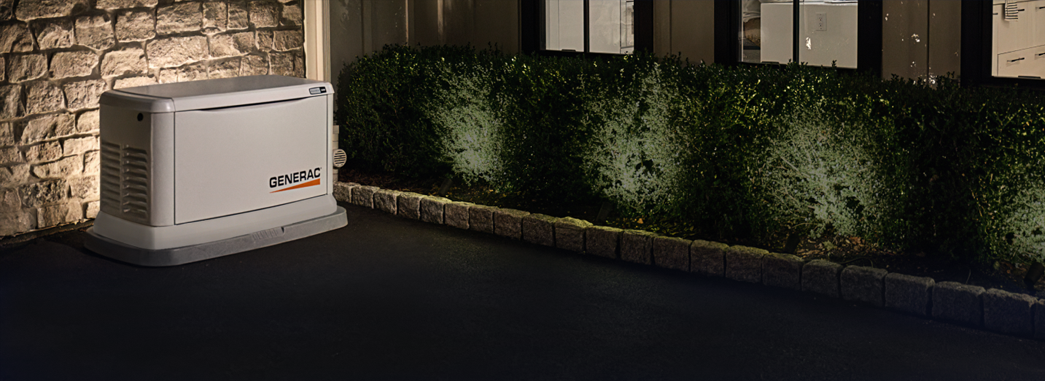
Credit: www.generac.com
Common Challenges
Obtaining permits for a home backup generator can be challenging due to varying local regulations. Each area may require specific approvals, making it essential to check with local authorities. Understanding these requirements ensures compliance and smooth installation.
Permit Delays
Permit delays can be frustrating for homeowners. The process can take several weeks. This may push back your generator installation date. Some people wait a long time for approval. This can cause stress and uncertainty. It’s important to plan ahead to avoid delays. Contact your local office early. Ensure all paperwork is complete. This helps in getting permits faster.
Cost Implications
Getting permits can be expensive. Fees vary by location and project size. Some permits cost hundreds of dollars. This adds to the total project cost. Budgeting for permits is crucial. Always include it in your plans. Missing this can lead to unexpected expenses. A clear understanding of costs helps in planning better.
Frequently Asked Questions
Do I Need A Permit To Install A Backup Generator?
Yes, a permit is often required to install a backup generator. Local regulations vary, so check with your municipality. Permits ensure compliance with safety codes and electrical standards. Contact your local building department for specific requirements. Proper installation protects you and your property.
Always hire a licensed professional for installation.
Can A Homeowner Install A Whole House Generator?
Yes, a homeowner can install a whole house generator. It’s important to have electrical and plumbing expertise. Hiring a professional ensures safety, compliance with local codes, and optimal performance. Proper installation prevents future issues and maximizes efficiency. Always consult local regulations before starting the installation.
Do You Need To Be Certified To Install A Generac Generator?
Certification is not always required to install a Generac generator. However, hiring a certified professional is recommended. This ensures compliance with local codes and guarantees safety and efficiency. Always check local regulations as they may vary. Certified installers provide peace of mind and expertise for a smooth installation process.
What Is The 20/20/20 Rule For Generators?
The 20/20/20 rule for generators recommends running a generator every 20 days for 20 minutes at 20% load. This practice ensures optimal performance, prevents engine issues, and maintains battery health. Regular maintenance extends the generator’s lifespan and reliability.
Conclusion
Securing proper permits ensures safe generator installation. It protects your home and family. Each region has different rules. Contact local authorities for guidance. They help avoid costly mistakes. Proper paperwork prevents future headaches. Stay informed and compliant. Your generator becomes a reliable power source.
Peace of mind comes with preparedness. Research and planning are key. Invest time in understanding requirements. A well-prepared setup benefits everyone. Safety, efficiency, and reliability matter. Installation done right offers lasting benefits. Enjoy uninterrupted power confidently. Make sure your setup meets all standards.
Seek professional help if needed. Protect your home effectively.