Have you ever wondered how much power a solar panel can actually generate for your home or business? Understanding the energy output of solar panels is key to deciding if solar power is the right choice for you.
You’ll discover exactly how much electricity these panels produce, what factors affect their performance, and how this energy can impact your daily life and bills. Keep reading to unlock the truth about solar power and see how it can transform your energy use.
Credit: iallpowers.com
Basics Of Solar Power
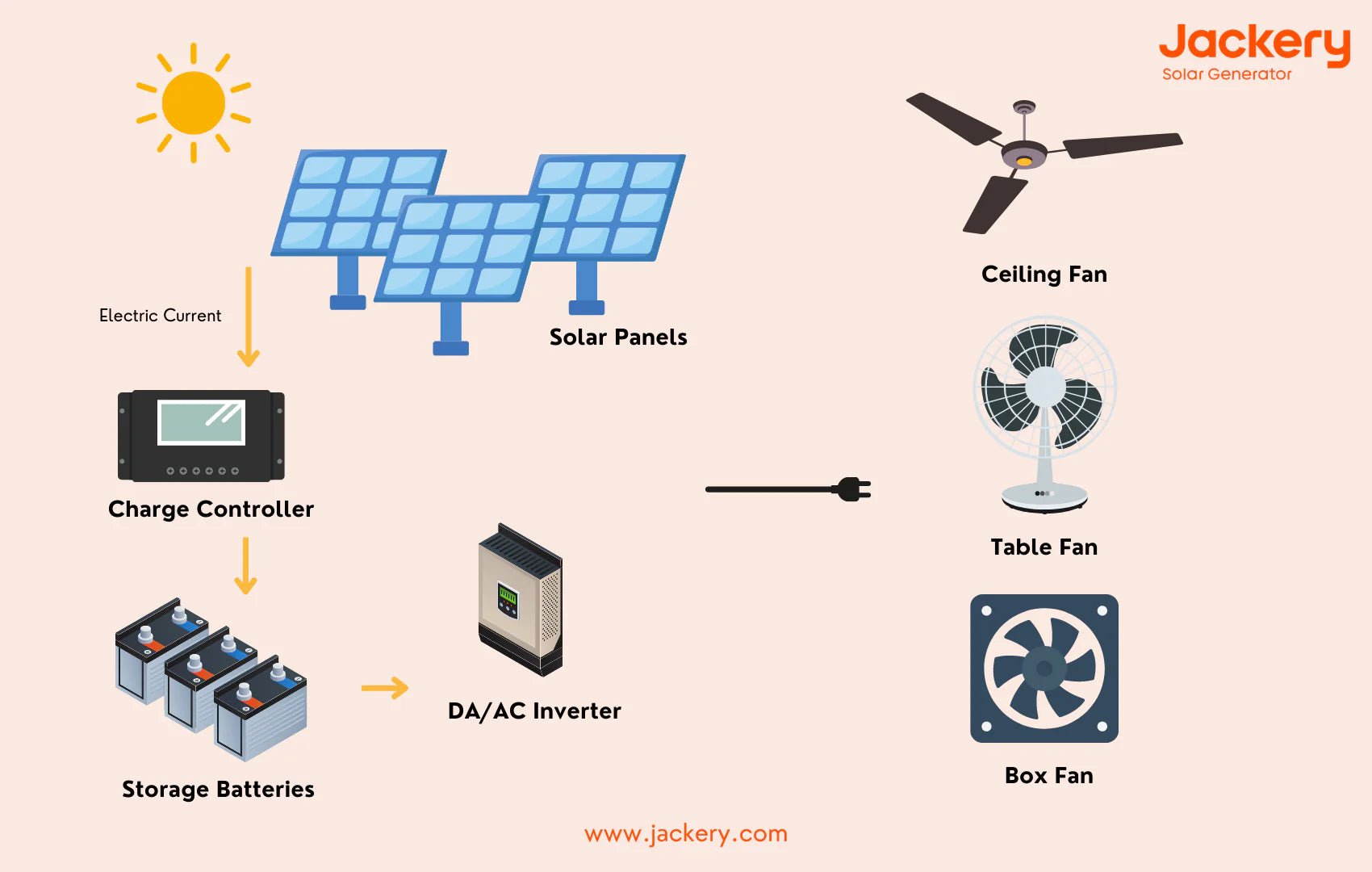
Solar panels change sunlight into electricity. This happens through photovoltaic cellsinside the panels. These cells absorb sunlight and create direct current (DC) power.
The power then flows through an inverter, which changes DC into alternating current (AC). AC power is what homes and businesses use every day.
Solar panels work best in bright sunlight, but they can still create power on cloudy days. The amount of power depends on the panel’s size and sunlight strength.
- Monocrystalline: Made from a single crystal, very efficient.
- Polycrystalline: Made from many crystals, less efficient but cheaper.
- Thin-film: Lightweight and flexible, less efficient.
| Component | Function |
|---|---|
| Solar Panels | Capture sunlight and turn it into electricity |
| Inverter | Convert DC power to AC power |
| Battery (optional) | Store energy for use when sunlight is low |
| Mounting System | Hold panels in place on roofs or ground |
Credit: www.jackery.com
Measuring Solar Panel Power
Solar panel power depends on sunlight intensity and panel size. It usually generates between 100 to 400 watts per panel. Measuring power helps estimate energy output for home or business use.
Watts And Kilowatts Explained
Watts (W)measure the power a solar panel can produce at one moment. Kilowatts (kW)equal 1,000 watts and show larger power amounts. A 300-watt panel produces 300 watts of power under ideal sunlight. Kilowatts help describe bigger systems or total power from many panels combined. These units help compare different solar panels easily.
Factors Affecting Power Output
- Sunlight intensity:More sunlight means more power.
- Panel angle:Correct tilt catches more sun rays.
- Temperature:High heat can lower power output.
- Shade:Shadows reduce energy production significantly.
- Panel age:Older panels produce less power.
Peak Power Vs. Real-world Output
Peak powershows maximum energy under perfect conditions. Real-world output is usually lower due to weather, angle, and dirt. A 300W panel may produce less power on cloudy days or if dusty. Expect about 75-85% of peak power in daily use. Knowing this helps plan realistic energy needs.
Solar Panel Efficiency
Efficiency ratingsshow how much sunlight a solar panel turns into electricity. Most panels have ratings between 15% and 22%. Higher efficiency means more power from the same space.
Temperatureaffects panel output. Panels work best around 25°C (77°F). Hotter weather can reduce power by up to 20%. Shading also lowers output a lot. Even small shadows on a panel can drop power sharply.
- Keep panels clean and free of dust.
- Trim trees or objects that cast shadows.
- Use microinverters or power optimizers to reduce shading impact.
- Install panels at the right angle for more sun exposure.

Credit: powerfullygreen.com
Power Generation In Different Conditions
Locationgreatly affects solar panel power. Panels in sunny places generate more energy. Cloudy or rainy areas produce less power.
Climateplays a big role too. Hot weather can lower panel efficiency. Cool, sunny days help panels work better.
| Season | Effect on Power |
|---|---|
| Summer | Long daylight hours, more power generated |
| Winter | Short daylight hours, less power produced |
| Spring & Autumn | Moderate daylight, moderate power output |
Daylight hourschange power output daily. More sun means more electricity. Less sun reduces energy production.
Scaling Solar Power For Homes And Businesses
Solar panels for homes usually range from 3 kW to 10 kW. This size fits most houses and covers a good amount of electricity use. A typical 5 kW system has about 15 to 20 panels. It can produce around 6,000 to 8,000 kWhper year, enough for a family.
Commercial solar systems are much bigger. They can be from 50 kW to several megawatts. These systems power offices, factories, and shops. They often use hundreds or thousands of panels. Big systems save more money and lower carbon footprints.
Energy storage helps save solar power for night use. Batteries store extra power made in the day. This means less need for electricity from the grid. Homes and businesses use batteries to stay powered when the sun is down.
Environmental And Economic Benefits
Solar panels produce clean energy that lowers electricity bills and reduces pollution. They help protect the environment while saving money over time.
Reducing Carbon Footprint
Solar panelsproduce clean energy by using sunlight. They do not release harmful gases. This helps reduce pollutionand fight climate change. Using solar power lowers the need for coal and gas. This means fewer carbon emissionsand a healthier planet. Solar energy is a renewable resourcethat never runs out.
Cost Savings Over Time
Solar panels can save money on electricity bills. After the initial cost, energy from the sun is free. Homes with solar power often see lower monthly bills. Over years, these savings add up. Solar panels need little maintenance, which keeps costs low. Many people find solar power to be a smart long-term investment.
Incentives And Rebates
| Incentive Type | Details |
|---|---|
| Tax Credits | Reduces the amount of tax owed after installing solar panels. |
| Rebates | Cash back offers from local or state governments. |
| Net Metering | Earn credits for extra energy sent back to the grid. |
Future Trends In Solar Power
New materialslike perovskite are making solar panels better. They catch more sunlight and cost less.
Scientists test thin, flexible solar panels. These can fit on curved surfaces and even clothes.
Smart systems help solar panels work well with the power grid. They balance power use and storage.
These systems use smart metersand advanced softwareto send energy where needed.
Such technology makes solar power more reliable and easier to use in homes and cities.
Frequently Asked Questions
What Power Output Does A Standard Solar Panel Generate?
A standard solar panel typically generates between 250 to 400 watts. The exact power depends on panel size, technology, and sunlight exposure. Higher wattage panels produce more energy, suitable for larger energy needs or limited roof space.
How Much Energy Can A Solar Panel Produce Daily?
A solar panel can produce 1 to 6 kilowatt-hours (kWh) per day. This varies by location, sunlight hours, panel efficiency, and weather conditions. More sunlight means higher daily energy production.
What Factors Affect A Solar Panel’s Power Generation?
Panel efficiency, sunlight intensity, angle, shading, and temperature affect power output. Clean, well-positioned panels in direct sunlight generate maximum energy. Dirt or shade reduces effectiveness significantly.
Can Solar Panels Generate Power During Cloudy Days?
Solar panels generate less power on cloudy days but still produce energy. Diffused sunlight penetrates clouds, allowing panels to function at reduced efficiency, usually 10-25% of full capacity.
Conclusion
Solar panels can generate clean, renewable energy. They help reduce electricity bills. The power they produce depends on sunlight and panel efficiency. Investing in solar panels benefits the environment and your wallet. Understanding their power output is essential for making informed decisions.
Solar energy is a step towards a sustainable future. It’s important to explore options and choose what’s best for your needs. With the right setup, solar panels can be a valuable addition. Embrace the potential of solar power. Make a positive impact on the planet.
Enjoy the benefits of harnessing the sun’s energy.