
Imagine facing a power outage and knowing you’re fully prepared. Your home stays lit, your appliances run smoothly, and life continues without a hitch.
This peace of mind comes from having a Generac standby generator at your side. But have you ever wondered what makes this reliable powerhouse tick? Understanding what powers a Generac standby generator can give you insights into its efficiency and reliability.
It can help you make informed decisions, ensuring you’re equipped with the best backup solution. Dive in, and discover the energy source that keeps your world bright and uninterrupted, even when the lights go out.
Generac Standby Generator Basics
- Engine:Runs on natural gas or propane to produce power.
- Alternator:Converts engine power into electricity.
- Transfer Switch:Switches power source from utility to generator.
- Control Panel:Manages generator operation and monitors status.
- Fuel System:Stores and supplies fuel to the engine.
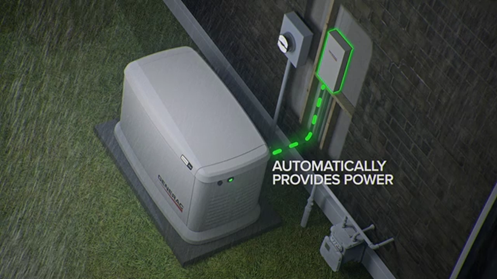
The generator waits for a power outage. It senses when electricity fails. Then, the engine starts automatically. The engine drives the alternator, creating electricity. The transfer switch moves power to the generator. Electricity flows to the home or building. When power returns, the generator stops and resets. This process ensures a smooth power supply without manual help.
Credit: outboundpower.com
Fuel Types For Generac Generators
Natural gasis a common fuel for Generac generators. It flows through pipes from utility lines. This fuel is clean and easy to use. It does not require refilling tanks. It is good for homes with gas service.
Propanecomes in tanks that you must refill or swap. It burns clean and stores well. Propane works well where natural gas lines are not available. It is portable and reliable for backup power.
Dieselfuel is powerful and used in large generators. It can run for a long time. Diesel needs storage tanks and safe handling. It is common in commercial or heavy-duty use. Diesel can be noisier and produce more emissions.
| Fuel Type | Source | Storage | Cleanliness | Use Case |
|---|---|---|---|---|
| Natural Gas | Utility lines | None (piped) | Clean | Homes with gas service |
| Propane | Tanks | Portable tanks | Clean | Areas without gas lines |
| Diesel | Fuel tanks | Large storage tanks | Less clean | Commercial, heavy use |
Engine And Power Output
Generac standby generators use engines designedto run smoothly and last long. They often use 4-stroke enginessimilar to car engines. These engines burn fuel efficiently to create power.
Power ratingsshow how much electricity a generator can produce. Generac models range from small units for homes to large ones for businesses. Each model has a specific power output measured in kilowatts (kW).
| Power Rating (kW) | Use Case | Fuel Type |
|---|---|---|
| 7 – 22 kW | Small homes, essential appliances | Natural gas, propane |
| 22 – 48 kW | Large homes, small businesses | Natural gas, propane |
| 48+ kW | Large buildings, commercial use | Diesel, natural gas |
Efficiencydepends on engine design and fuel type. Generac uses technology to reduce fuel use and emissions. This helps save money and protects the environment.

Credit: norwall.com
Automatic Transfer Switch Role
The Automatic Transfer Switch (ATS)is key to power backup. It detects power loss in the main supply quickly. Then, it sends a signal to start the Generac standby generator.
The ATS switches powerfrom the utility line to the generator. This switch happens without any manual work. It protects your home or business from power interruptions.
- Switch Functionality:Changes power source automatically.
- Seamless Power Transition:Keeps electricity flowing smoothly.
Maintenance And Fuel Management
Routine checks keep your Generac standby generatorworking well. Check the oil level and air filter often. Make sure the battery is charged and clean. Test the unit by running it monthly to catch issues early. Look for leaks or loose parts. These small steps help avoid big problems.
Fuel storage is key for long generator life. Store fuel in approved containers, away from heat and sunlight. Use fuel stabilizers to keep fuel fresh for months. Keep the fuel tank full to prevent moisture buildup. Always follow local rules for fuel safety and disposal. Proper fuel care ensures your generator runs smoothly when needed.
Credit: www.generac.com
Environmental And Safety Features
Generac standby generatorshave built-in emission controls. These controls reduce harmful gases released into the air. They help the generator meet strict environmental standards. The system uses a catalytic converterto clean exhaust fumes. This keeps the air safer for people and animals.
Safety is a top priority. Generac generators include many safety mechanisms. These features protect users and the machine. For example:
- Automatic shut-offif the generator overheats or runs low on oil.
- Carbon monoxide detectorsto warn if gas builds up nearby.
- Surge protectorsto guard against electrical spikes.
- Weather-resistant enclosuresto keep the generator safe in rain or snow.
These features work together to keep the generator safe and eco-friendly.
Choosing The Right Generator Power
Assessing energy needsis the first step to choose the right generator power. List all the devices and systems you want to keep running during an outage. Consider appliances like refrigerators, lights, heating, and medical equipment. Add up their power requirements in watts. This helps to find the total load your generator must handle.
Sizing guidelineshelp pick a generator that meets your needs. Generators have a rated wattage and a surge wattage. Rated wattage is the continuous power it can supply. Surge wattage is the extra power needed to start motors or compressors. Choose a generator with a surge wattage higher than your highest startup load.
| Appliance | Running Watts | Starting Watts |
|---|---|---|
| Refrigerator | 700 | 2200 |
| Furnace Fan | 600 | 1600 |
| Lighting | 300 | 300 |
This table shows typical power needs. Add the highest starting watts to the running watts of other appliances. This gives a safe estimate for generator size.
Frequently Asked Questions
What Fuel Powers A Generac Standby Generator?
Generac standby generators typically run on natural gas or liquid propane. These fuels provide reliable and efficient power for homes and businesses during outages.
How Does A Generac Generator Start Automatically?
Generac generators use an automatic transfer switch. It detects power loss and starts the generator within seconds without user intervention.
Can A Generac Generator Use Multiple Fuel Types?
Some Generac models are dual-fuel, running on both natural gas and propane. This flexibility ensures power availability in various fuel conditions.
How Long Can A Generac Generator Run Continuously?
Generac generators can run for several hours or days if fuel supply is sufficient. Proper maintenance ensures safe and efficient extended operation.
Conclusion
Generac standby generators use gas, propane, or diesel to run. These fuels keep your power steady during outages. The engine turns fuel into electricity smoothly and reliably. Knowing the fuel type helps you choose the right generator. This ensures your home or business stays powered.
A good generator means less worry when power fails. Simple, strong, and ready to keep you safe. Trust in what powers your Generac standby generator.