
Have you ever wondered what product contributes the most to the piles of trash in our cities? It’s a surprising question that can change how you view your daily habits.
Understanding what generates the highest percentage of municipal solid waste is crucial for anyone who cares about the environment and wants to make a difference. The answer might surprise you, and it could even inspire you to take action. By knowing the biggest offenders in our waste systems, you can make smarter choices that help reduce your impact on the planet.
So, are you ready to discover what product tops the waste charts and how you can help turn the tide? Keep reading to find out more about this pressing issue and how you can be part of the solution.
Major Sources Of Municipal Solid Waste
Residential wasteis the largest source of municipal solid waste. It mainly includes food scraps, paper, plastics, and packaging materials. People throw away old clothes, broken furniture, and yard waste too. This waste type makes up about 50-60%of total municipal waste in many areas.
Commercial and industrial wastecomes from shops, offices, factories, and warehouses. It includes cardboard boxes, plastic, metals, and sometimes hazardous waste. This waste is usually less than residential waste but still important. It can be around 20-30%of total waste.
Institutional wasteis from schools, hospitals, and government buildings. It includes paper, food waste, and sometimes medical waste. This type is smaller but needs careful handling, especially medical waste. Institutional waste often makes up about 10-15%of total municipal solid waste.
Credit: www.fortunebusinessinsights.com
Top Product Categories In Waste Generation
Food wastemakes up a large part of municipal solid waste. It breaks down quickly and causes bad smells. Many homes and restaurants throw out leftover food daily. This waste is rich in water and organic matter, which can cause problems in landfills.
Packaging materialsare another big source of waste. These include containers, wrappers, and bags from products. They often take up a lot of space because they are bulky but light.
| Waste Type | Common Sources | Impact |
|---|---|---|
| Paper and Cardboard | Boxes, newspapers, office paper | Recyclable but often thrown away |
| Plastic | Bottles, bags, packaging films | Takes long to decompose, pollutes environment |
Plastic wastedominates many waste streams. It is light but does not break down easily. This causes serious pollution problems worldwide.
Plastic Packaging As A Leading Contributor
Plastic packaging makes up a large part of municipal solid waste worldwide. Its light weight and wide use in products increase waste volumes quickly. Managing this waste remains a key environmental challenge.
Types Of Plastic Packaging
- Plastic bags used for shopping and carrying items
- Plastic bottles for water, soda, and other drinks
- Food wrappers and containers for snacks and meals
- Plastic films and wraps to keep food fresh
- Disposable cups and straws for drinks
Reasons For High Plastic Waste
Plastic packagingis cheap and easy to produce. It is used once and thrown away quickly. Many products rely on plastic to keep them safe and fresh. Recycling rates remain low because many plastics are mixed or dirty. This causes a large amount of plastic to end up in the trash.
Environmental Impact Of Plastic Waste
Plastic waste harms animals and nature. It can take hundreds of years to break down. Plastic pieces can enter oceans and rivers, hurting sea life. Burning plastic releases harmful gases. Landfills fill up quickly with plastic, causing pollution and health risks.
Credit: link.springer.com
Comparing Waste Percentages By Product
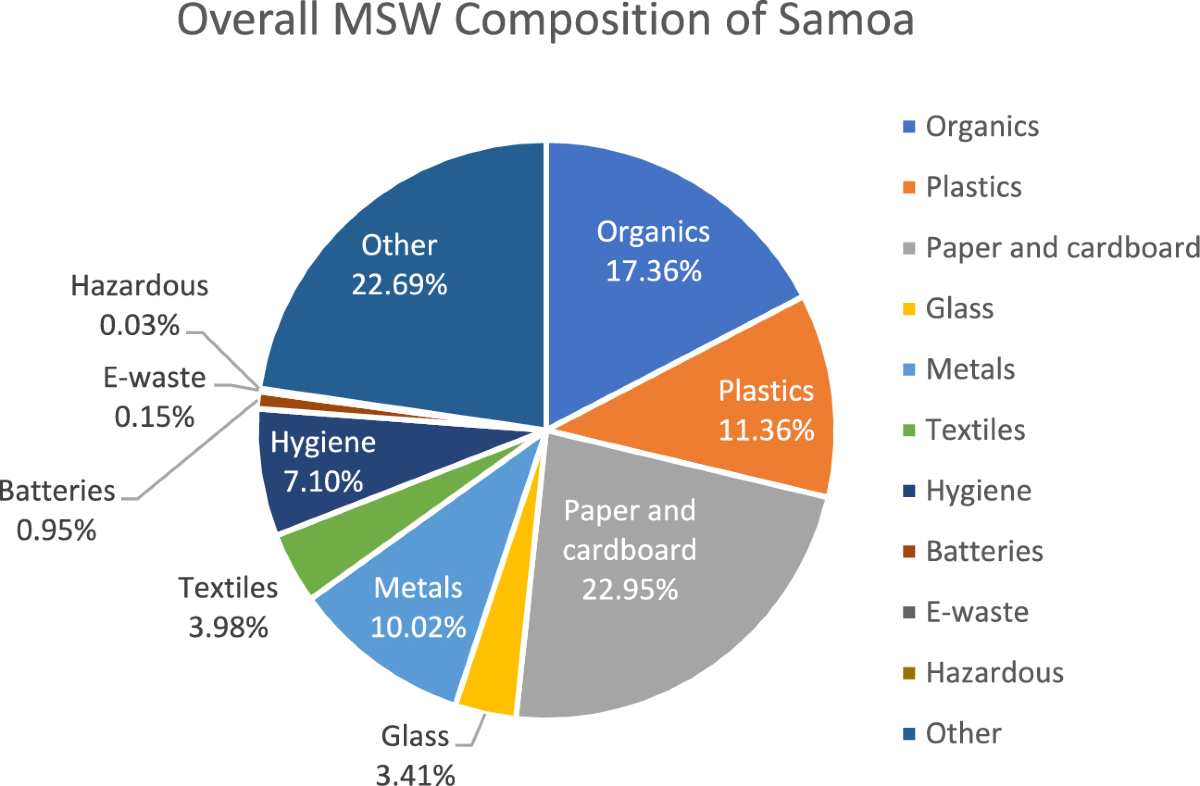
Food wasteconsistently makes up the largest share of municipal solid waste. It accounts for around 20-30%of total waste in many cities. Paper and cardboard follow closely, often contributing 15-20%. Plastics have increased over recent years, now representing about 12-18%of waste. Metals and glass remain smaller but steady, usually under 10%.
| Waste Type | Average % of Total Waste | Trend |
|---|---|---|
| Food Waste | 20-30% | Stable |
| Paper & Cardboard | 15-20% | Decreasing |
| Plastics | 12-18% | Increasing |
| Metals | 5-8% | Stable |
| Glass | 5-7% | Stable |
Waste types differ by region. Urban areas produce more plastic waste. Rural areas have higher organic waste levels. Seasonal changes also affect waste amounts. Understanding these patterns helps improve waste management.
Strategies To Reduce High-waste Products
Recycling initiativeshelp turn waste into new products. Communities set up special bins for glass, paper, and plastics. Schools and workplaces teach people how to recycle correctly. This reduces the amount of trash sent to landfills.
Waste reduction policieslimit the use of single-use items like plastic bags and straws. Governments encourage businesses to use less packaging. Rules often require companies to manage their waste better. This lowers the total waste produced.
Consumer behavior changesinclude buying less, choosing reusable items, and repairing things. People bring their own bags to stores and avoid disposable cups. Small habits add up to big differences in waste amounts.
Credit: www.thebusinessresearchcompany.com
Future Outlook On Municipal Waste Management
Innovative waste solutionshelp reduce trash and save space. Cities use smart bins that sort waste automatically. Composting organic waste cuts landfill use. Recycling centers turn old products into new items. These ideas make waste easier to manage and reduce pollution.
Technology plays a big rolein cutting waste. Sensors track trash levels and guide collection trucks. Apps teach people how to recycle right. Machines break down plastics faster. These tools save time and money while keeping cities clean.
Global efforts and agreementsunite countries to fight waste problems. Treaties set rules for trash disposal and recycling. Sharing ideas helps all nations improve waste systems. This teamwork aims for a cleaner planet for everyone.
Frequently Asked Questions
What Product Creates The Most Municipal Solid Waste?
Packaging materials, especially plastic packaging, generate the highest percentage of municipal solid waste globally. These products are widely used and discarded quickly, contributing significantly to waste streams.
Why Is Plastic Packaging A Major Waste Contributor?
Plastic packaging is lightweight, cheap, and widely used for consumer goods. Its durability leads to slow decomposition, causing long-term waste accumulation in landfills and oceans.
How Much Municipal Waste Comes From Food Packaging?
Food packaging accounts for about 30% of municipal solid waste in many urban areas. Single-use containers and wrappers are primary contributors to this waste category.
Can Paper Products Also Generate High Solid Waste Percentages?
Yes, paper products like newspapers, cardboard, and office paper form a substantial portion of municipal waste. Recycling efforts help reduce their environmental impact.
Conclusion
Plastic products create the largest share of municipal solid waste. These items stay in landfills for many years. Reducing plastic use helps lower waste levels. Recycling and reusing materials can make a big difference. Communities must work together for cleaner environments.
Small changes in daily habits add up fast. Everyone plays a part in managing waste better. Understanding waste sources guides smarter choices. Cleaner cities start with simple actions at home. Keep learning and stay aware of waste impact.