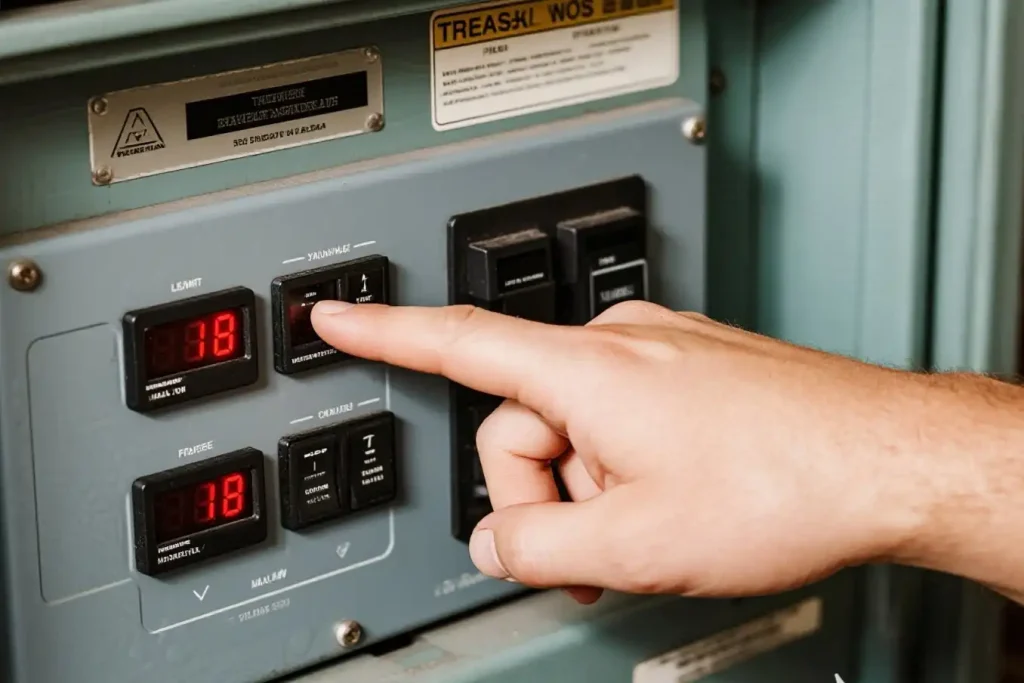
Are you curious about how to keep your home or business safe during a power outage? When it comes to backup power, transfer switches play a crucial role.
These devices ensure a seamless transition from the main power grid to your backup generator, keeping your lights on when you need them most. But did you know transfer switches come packed with safety features designed to protect you and your electrical systems?
Understanding these features can be the key to peace of mind and security. We’ll unravel the essential safety mechanisms in transfer switches, so you can make informed decisions and safeguard your environment. Stay with us as we delve into how these features work to keep you and your property safe.
Key Safety Features
Automatic transfer mechanismswitches power sources quickly and safely. It moves power from the main source to backup without delay. This prevents power loss and keeps devices running.
Overload protectionstops the system from drawing too much current. It prevents damage to wires and appliances. This feature helps avoid fires and electrical problems.
Short circuit preventiondetects faults in the electrical circuit. It cuts off power immediately to stop sparks or fires. This keeps people and property safe.
Ground Fault Protection
Ground fault protectionhelps stop electrical shocks and fires. It detects small leaks of electricity to the ground. This can happen if wires are damaged or wet. The transfer switch quickly cuts off power to keep people safe.
This protection works by comparing current going out and coming back. If there is a difference, it means some electricity is leaking. The switch then shuts off the circuit.
- Prevents shocks that can hurt or kill
- Stops electrical fires caused by faults
- Protects equipment from damage
- Ensures safe operation of transfer switches
Surge Protection Systems
Surge protection systemsin transfer switches help stop sudden voltage spikes. These spikes can damage connected equipment. The systems work by diverting extra voltage away from devices.
Common features include:
- Metal Oxide Varistors (MOVs)that absorb high voltage surges.
- Thermal fusesthat break the circuit if it gets too hot.
- Resettable circuit breakersthat protect against overloads and short circuits.
These protections help keep your power system safe and reliable. They reduce the risk of fires and equipment failure caused by electrical surges.
Lockout And Interlock Devices
Lockout and interlock deviceskeep transfer switches safe. They stop the switch from moving to the wrong position by mistake. This helps avoid electrical accidentsand damage.
Lockout devices allow you to lock the switchin one place. This means no one can change it while work is happening. Interlock devices ensure the switch cannot connect to two power sources at once. This prevents power backfeed, which is very dangerous.
- Lockout devices secure the switch position
- Interlocks stop power from two sources mixing
- Both protect people and equipment
- Help meet safety rules and codes
Voltage And Frequency Monitoring
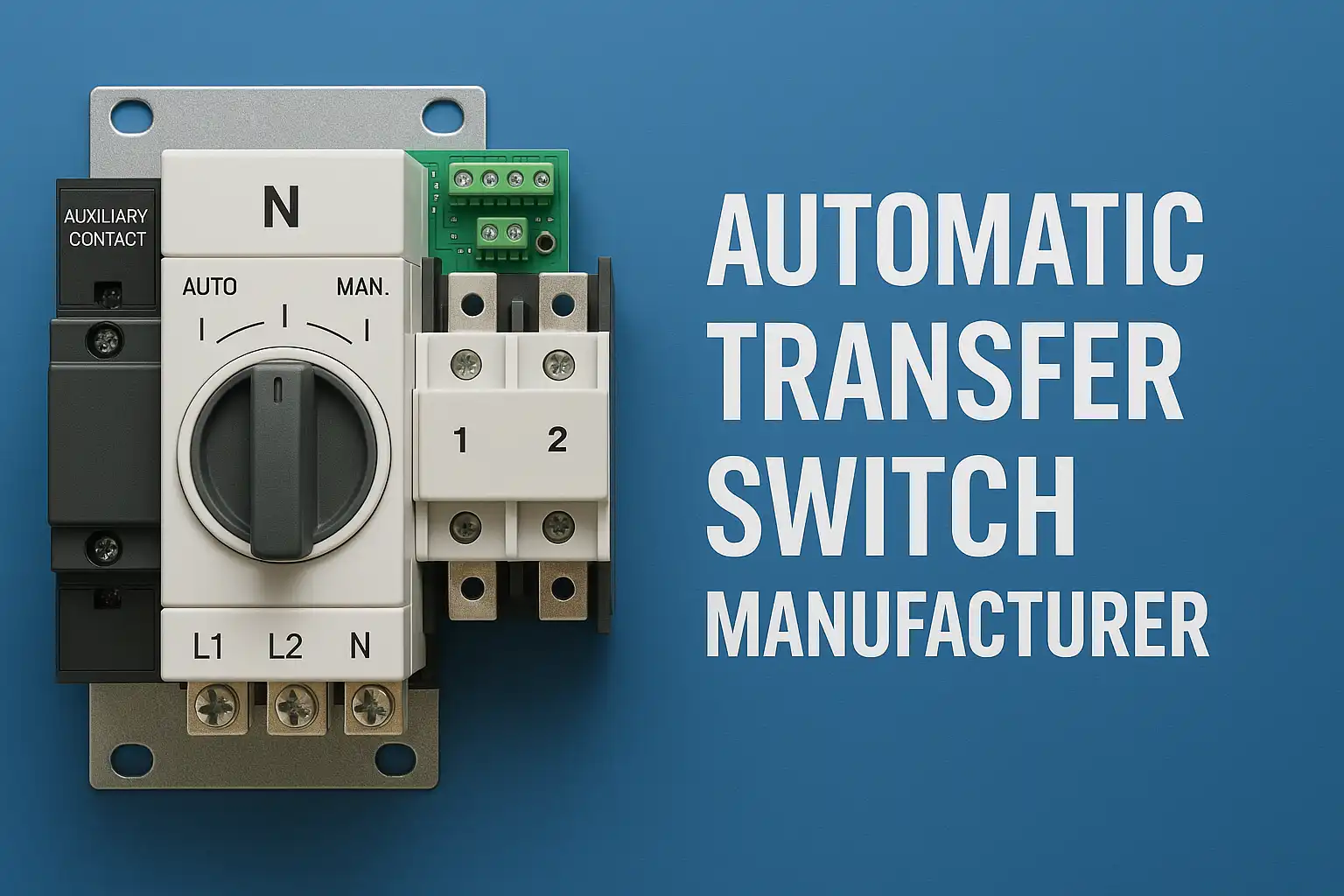
Voltage and frequency monitoringhelps keep power stable and safe. Transfer switches watch the voltage levelto avoid too high or too low power. This stops damage to your devices.
They also check the frequencyof the power. If the frequency is off, it can cause machines to run poorly or break. The switch will delay transfer until the power is right.
- Voltage sensorsdetect unsafe power levels quickly.
- Frequency sensorsensure the power matches the needed cycles per second.
- Automatic shutoffhappens if the power is unstable.
- Helps protect home and business equipmentfrom harm.
Credit: www.onesto-ep.com
Manual Override Options
Manual override options let users control the transfer switch during power issues. These options ensure safe switching between power sources without automatic functions. They are helpful when automatic systems fail or need maintenance.
Common manual override features include:
- Hand-operated switchesthat allow direct control of power flow.
- Lockable handlesto prevent accidental or unauthorized switching.
- Clear indicatorsshowing which power source is active.
- Easy-to-use leversfor quick manual operation.
These features protect both the equipment and the user. They also help maintain power safely during emergencies or repairs.
Weather And Environmental Safeguards
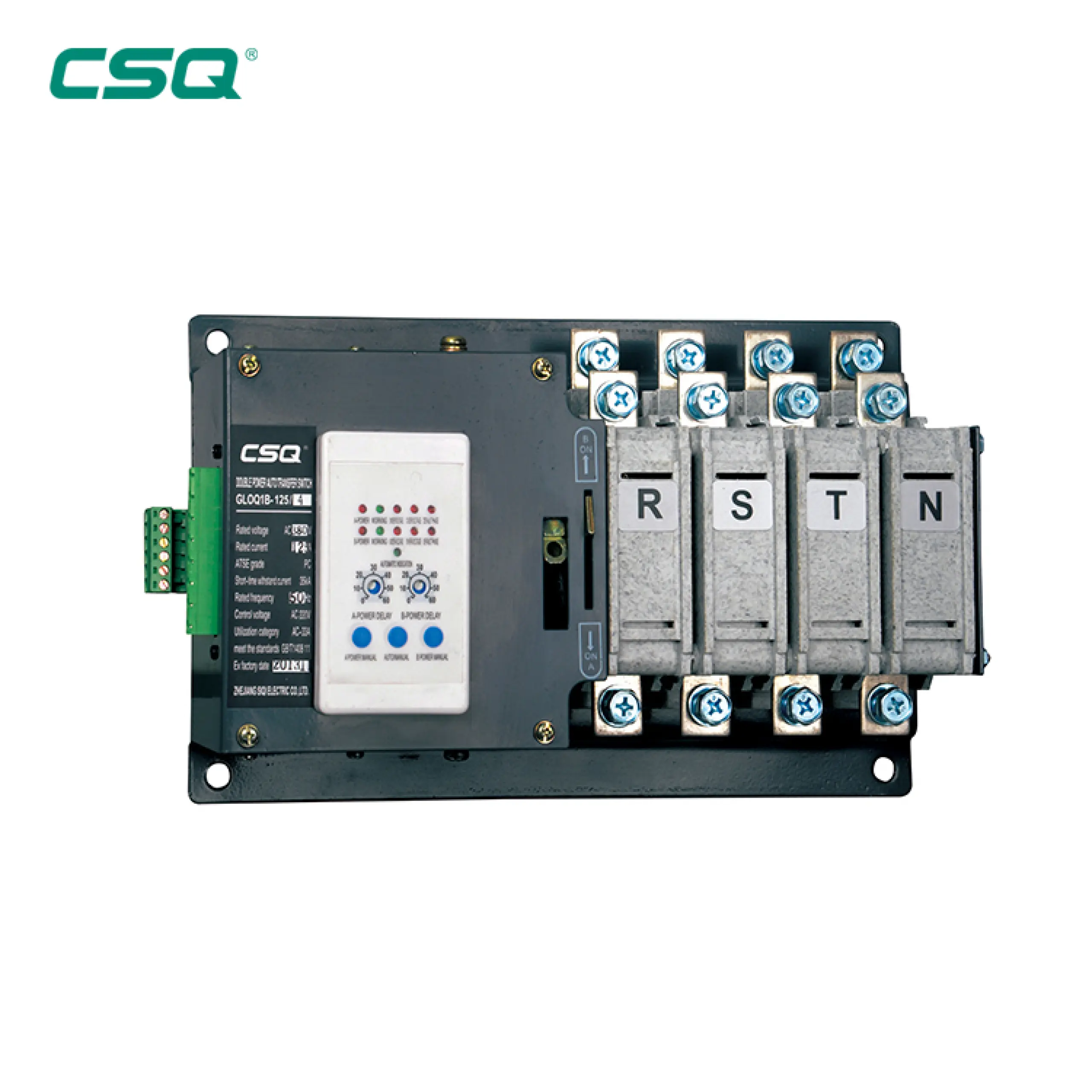
Transfer switches come with weatherproof designsto protect against rain and snow. They often include sealed enclosuresthat keep out dust and dirt. These safeguards help the switch work well in harsh environments.
Some switches have corrosion-resistant materialsto last longer outdoors. They also feature temperature controlsto avoid overheating or freezing. This keeps the switch safe and reliable.
- UV-resistant coatingto prevent sun damage
- Water-tight sealsto stop moisture entry
- Shock-resistant casesto handle bumps and drops
- Ventilation systemsto control heat
Credit: www.csqelectric.com
Compliance With Safety Standards
Transfer switchesmust meet strict UL and IEC certifications. These certifications ensure safety and reliability. UL certification checks if the switch works safely under different conditions. IEC certification is used internationally to ensure quality and safety standards.
Compliance with local electrical codesis also essential. These codes vary by region and set rules for safe electrical installation. Following these rules prevents accidents and damage. Electricians use these codes to install transfer switches correctly.
- UL certification verifies product safety and performance.
- IEC certification guarantees international safety standards.
- Local codes control installation and usage rules.
- Following codes reduces risk of electrical fires.
- Certified switches protect people and property.

Credit: www.amazon.com
Frequently Asked Questions
What Safety Features Prevent Electrical Overloads In Transfer Switches?
Transfer switches include circuit breakers and fuses that interrupt power during overloads. These features protect wiring and connected devices from damage and fire risks.
How Do Transfer Switches Ensure Safe Generator Connection?
Transfer switches isolate utility and generator power sources. This prevents backfeed, protecting utility workers and equipment from dangerous electrical feedback.
Are Transfer Switches Equipped With Surge Protection?
Many transfer switches have built-in surge protectors. They safeguard appliances from voltage spikes caused by power surges or generator startup.
Can Transfer Switches Detect Unsafe Power Fluctuations?
Yes, advanced transfer switches monitor voltage and frequency. They automatically disconnect power during unsafe fluctuations to protect electrical devices.
Conclusion
Transfer switches keep power safe and reliable during outages. They stop electricity from flowing the wrong way. Built-in features protect people and equipment from harm. These switches help avoid fires and electrical shocks. Choosing the right transfer switch means peace of mind.
Safety matters most when handling electricity. Understanding these features helps you stay secure. Simple steps can prevent serious accidents at home or work. Trust transfer switches to manage power smoothly and safely. Safety first—always.