
Imagine this: Your power goes out in the middle of a storm, and you’re relying on your generator to keep the lights on and your home safe. But what if your generator fails when you need it most?
This is where understanding the sensors needed for generator monitoring becomes crucial. You want peace of mind knowing that your generator will work flawlessly every time. You’ll discover the essential sensors that ensure your generator is always ready to spring into action.
Keep reading, and you’ll learn how these sensors can save you from unexpected power failures and costly repairs, ensuring you and your family stay comfortable and secure.
Key Generator Parameters
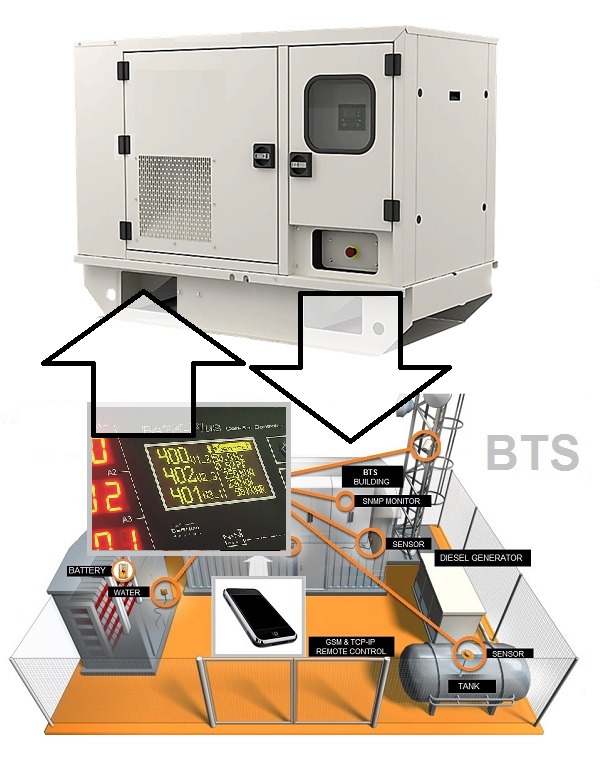
Temperature monitoringkeeps the generator safe from overheating. It checks the engine and exhaust heat to prevent damage.
Vibration levelsreveal machine wear or imbalance. High vibrations can mean parts need fixing or replacing.
Fuel statusshows how much fuel is left. It helps avoid unexpected shutdowns by signaling refills early.
Oil pressureensures the engine parts stay lubricated. Low oil pressure can cause engine failure quickly.
Battery healthis vital for starting the generator. A weak battery may fail to start the engine on demand.
Credit: bernini-design.com
Critical Sensor Types
Thermocouples and RTDsmeasure the generator’s temperature. They help prevent overheating by giving accurate heat readings.
Accelerometersdetect vibrations. These sensors show if the generator has any unusual shaking, which can signal mechanical issues.
Fuel Level Sensorstrack the amount of fuel left. They ensure the generator has enough fuel to keep running without sudden stops.
Pressure Transducersmonitor oil and coolant pressure. These sensors protect the engine by warning if pressure falls outside safe levels.
Voltage and Current Sensorsmeasure the electrical output. They check if the generator is producing the right power and detect any electrical faults.
Integration And Connectivity
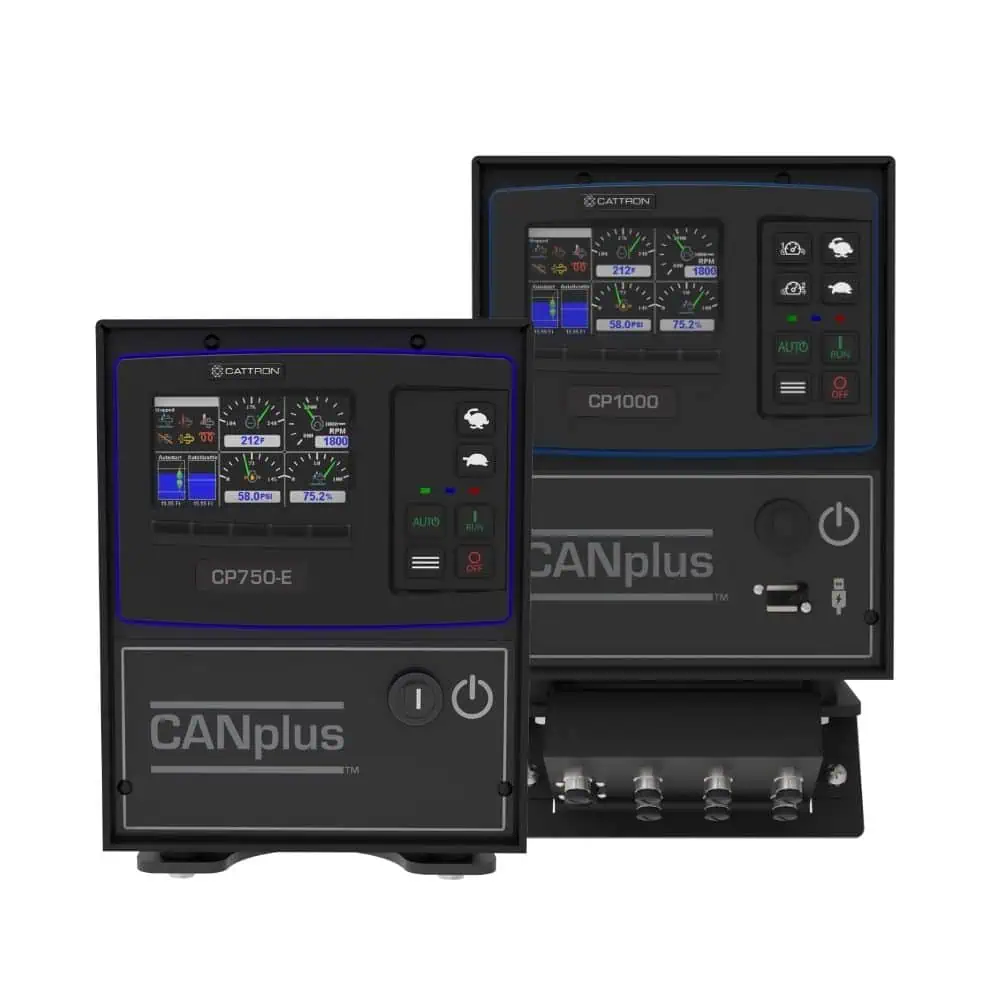
Wired sensorsoffer stable connections and less interference. They suit places where cables are easy to install. Wireless sensorsprovide flexibility and easier setup. They work well in hard-to-reach spots but may face signal issues.
Common communication protocolsinclude Modbus, CAN bus, and Ethernet. These ensure smooth data transfer between sensors and monitoring systems. Choosing the right protocol depends on system size and complexity.
Data loggingrecords sensor readings over time. This helps detect trends and spot issues early. Analysis toolsturn raw data into clear charts and alerts, aiding quick decisions.
Credit: www.cattron.com
Benefits Of Real-time Monitoring
Real-time monitoringhelps catch problems early. Sensors track generator parts constantly. This data guides preventive maintenance. Fixing small issues stops big failures.
Enhanced safetycomes from alerts. Sensors detect overheating, fuel leaks, or smoke fast. This stops accidents before they start. Safety for workers and equipment improves a lot.
Operational efficiencygrows with real-time data. Sensors show fuel use, power output, and engine health. This info helps run generators better and saves money. Less downtime means more work done.
Challenges And Considerations
Environmental factorscan affect sensor accuracy and lifespan. Sensors may face extreme temperatures, dust, moisture, or vibrations. These conditions can cause sensor errors or failures. Selecting sensors with robust protectionhelps ensure reliable data. Regular cleaning and maintenance are essential to keep sensors working well.
Proper sensor calibrationis key for accurate readings. Calibration must match the generator’s specific conditions and usage. Over time, sensors can drift and give false data. Scheduled recalibration and testing maintain sensor precision and avoid costly mistakes.
| Cost Factors | Details |
|---|---|
| Initial Investment | Price of sensors varies by type and quality |
| Installation | Costs depend on complexity and number of sensors |
| Maintenance | Ongoing calibration and repairs add to expenses |
| Data Management | Software and hardware for monitoring require budget |
Balancing sensor quality and cost is vital. Cheaper sensors may need more upkeep. Investing in good sensors can save money over time.

Credit: www.akcp.com
Frequently Asked Questions
What Sensors Are Essential For Generator Temperature Monitoring?
Temperature sensors monitor engine and coolant heat levels. They prevent overheating by alerting operators early, ensuring safe generator operation.
How Do Vibration Sensors Improve Generator Maintenance?
Vibration sensors detect abnormal engine vibrations. Early detection of issues helps avoid costly repairs and reduces unexpected downtime.
Why Is Fuel Level Sensing Important In Generator Monitoring?
Fuel level sensors ensure continuous power by tracking fuel supply. They alert users to refuel, preventing generator shutdowns during critical times.
Which Sensors Monitor Generator Oil Quality And Pressure?
Oil pressure and quality sensors track lubricant condition. Maintaining proper oil levels reduces engine wear and extends generator lifespan.
Conclusion
Choosing the right sensors keeps your generator safe and working well. Temperature, vibration, and fuel sensors help spot problems early. These sensors give clear data to avoid big repairs. Regular monitoring saves money and stops downtime. Sensors also improve generator lifespan and performance.
Simple tools bring better control and peace of mind. Don’t ignore sensor needs for smooth generator operation. Smart monitoring makes all the difference.