
Choosing the right size diesel generator can feel like a daunting task. You’re probably wondering how to ensure you have enough power without overspending.
Imagine facing a sudden power outage, only to realize your generator can’t handle your needs. It’s not just frustrating; it can be costly. You want peace of mind, knowing that when the lights go out, your backup power kicks in seamlessly.
In this guide, you’ll discover how to pick the perfect generator size for your unique situation. By understanding a few key factors, you can make a smart choice that keeps your home or business running smoothly, no matter what. Stay with us to learn how to balance power requirements and budget, ensuring you make the most informed decision.
Assessing Power Requirements
Determining the right diesel generator size involves calculating your total power needs. Consider both peak and continuous energy demands. A thorough assessment ensures reliability and efficiency for your specific requirements.
Calculating Wattage Needs
Find out how much wattageyour home uses. Check each appliancefor its power use. Add them together to get a total. This tells you how big your generator should be. Remember, some appliances need more power to start up. Include extra wattage for this.
Identifying Critical Appliances
List the appliances that are most important. These might include the fridge, heater, or lights. Think about what you cannot live without. Choose a generator that can handle these items first. A small generator might not power everything. Prioritize your needs for safety and comfort.
Types Of Diesel Generators
Choosing the right size diesel generator depends on your power needs. Consider the total wattage of devices you plan to run. Calculate the peak and continuous load requirements to find a suitable generator size.
Portable Vs Standby Generators
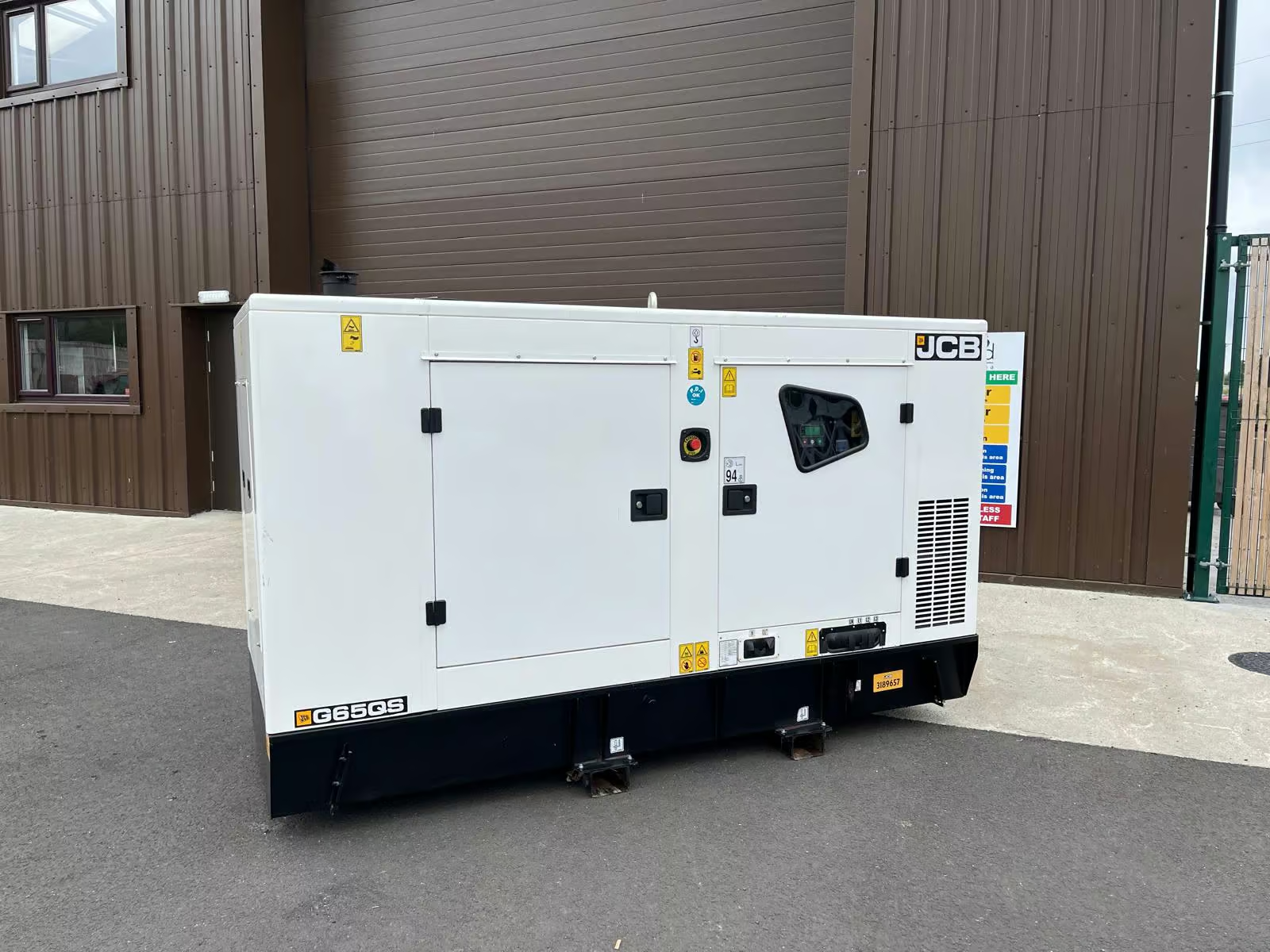
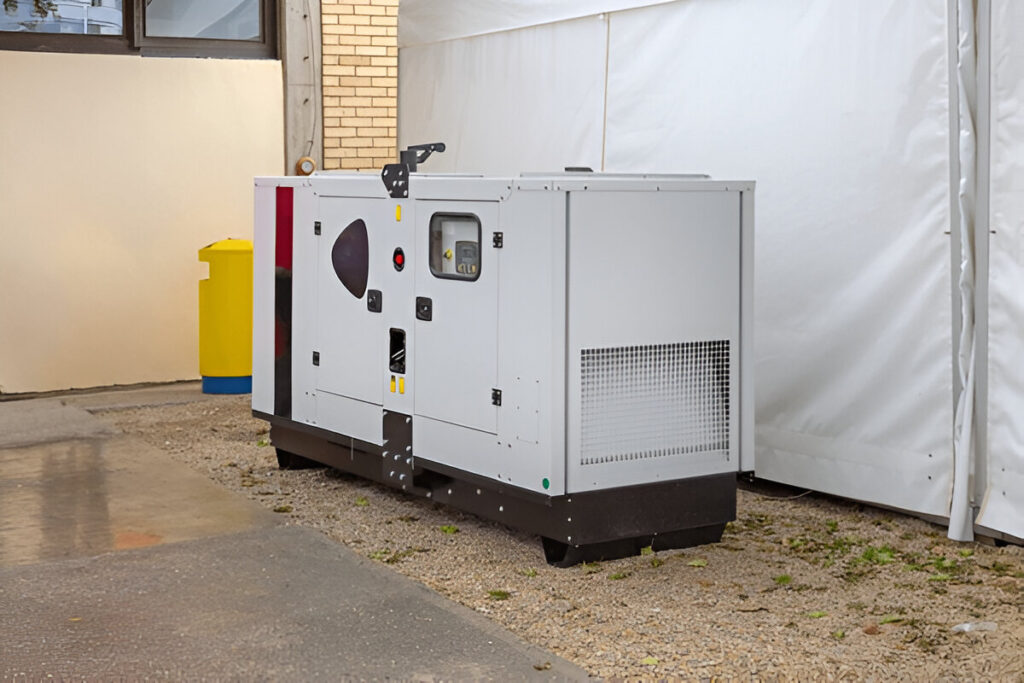
Portable generatorsare small and easy to move. They are great for camping or when there’s a power cut. You can use them anywhere. Standby generatorsare bigger and stay in one place. They automatically turn on during a power outage. They are perfect for homes and businesses. Choosing between them depends on your needs.
Single-phase Vs Three-phase Options
Single-phase generatorsare simple and work well for homes. They provide power to lights and appliances. Three-phase generatorsdeliver more power. They are ideal for factories and large buildings. These generators can handle bigger machines. Decide based on your power needs and usage.
Fuel Consumption Considerations
Determining diesel generator size involves assessing fuel consumption. Larger generators consume more fuel, impacting operational costs. Evaluate power needs and efficiency to select the right generator size for your requirements.
Efficiency Factors
Generators work best at certain loads. Running at low loads wastes fuel. A generator’s efficiency is highest near its rated capacity. Proper maintenance also helps. Clean filters and regular oil changes are key. Choosing a fuel-efficient model saves money. Look for modern engines with advanced technology. These use less fuel and reduce emissions.
Impact Of Load On Fuel Usage
Generators use more fuel when working hard. High loads increase fuel use. Light loads can be wasteful too. A balance is essential. Check the generator’s load capacity. Match it with your needs for better efficiency. Running at 70% to 80% load is ideal. This helps in saving fuel and money.
Credit: www.bellwoodrewinds.co.uk
Sizing Guidelines
Choosing the right size diesel generator ensures efficient power supply. Consider your total energy needs and usage patterns. This helps in selecting a generator that meets your requirements without unnecessary costs.
Peak Load Calculations
To find the right diesel generator, know your peak load. List all devices you will use. Check their wattagefrom labels or manuals. Add up the wattage of all devices. This gives the total peak load. Choose a generator that can handle this load. Make sure the generator has extra capacity, around 20% more. This helps if you add more devices later.
Continuous Load Requirements
Continuous load is the power you need all the time. Add up the wattage of devices that run non-stop. This includes fridges, lights, and heaters. A generator should handle this load easily. It should run smoothly without getting too hot. Make sure it operates at 70-80% capacity. This ensures long life and efficiency.
Safety And Compliance
Choosing the right diesel generator size ensures both safety and compliance. The generator must meet power needs without overloading, reducing risks and enhancing efficiency. Proper sizing maintains operational standards and prevents costly downtime or equipment damage.
Regulatory Standards
Every diesel generator must meet regulatory standards. These rules keep people safe. They ensure the generator works well. Some standards are set by the government. Others come from safety organizations. A good generator follows all of them. This keeps everyone safe and sound.
Installation Best Practices
Proper installation is very important. Put the generator on a flat surface. This helps it run smoothly. Keep it away from walls. This allows air to flow freely. Make sure it is properly grounded. This prevents accidents. Always follow the manufacturer’s instructions. It makes the generator last longer.

Credit: www.bellwoodrewinds.co.uk
Cost Implications
Choosing the right size diesel generator impacts costs significantly. Larger generators incur higher purchase and operation expenses. Smaller models may require additional units for peak power needs, raising overall costs.
Initial Investment
The cost of a diesel generator can be high. Larger generators cost more than smaller ones. It’s important to choose the right size for your needs. Buying a too-small generator may cause problems. A too-big generator wastes money and fuel. Consider the power needs carefully. This helps balance cost and performance. Think about your budget and power requirements.
Maintenance Expenses
Diesel generators need regular care. Oil changes and filter replacements are common. These tasks help the engine run smoothly. Skipping maintenance can lead to breakdowns. Repairing a broken generator can be costly. Routine checks can prevent major issues. This saves money in the long run. Plan for maintenance costs in your budget.
Choosing The Right Brand
Selecting the right diesel generator size involves evaluating power needs and space constraints. Consider your energy consumption and how much room you have for the generator. A careful assessment ensures efficiency and reliability in power supply.
Reputation And Reliability
Picking a diesel generator from a well-known brand is crucial. Good brands offer reliable performanceand long-lasting durability. They have a strong track record in the market. Look for brands with positive reviewsand recommendations. This ensures the generator will meet your needs efficiently. Popular brands often have better technologyand features. Trustworthy brands ensure a smooth experience without frequent breakdowns.
Warranty And Support
A generator with a solid warrantyis important. It covers repairs and parts if issues arise. Check the duration of the warranty offered. Good brands provide strong customer support. This helps solve any technical problems quickly. Having access to 24/7 supportis beneficial. It ensures you get help whenever needed. A strong warranty and support system offer peace of mind. It protects your investment in the long run.
Credit: bcdieselgenerators.com
Future Needs And Scalability
Assessing future power needs ensures the right diesel generator size for growth. Opt for a scalable model to handle increased demand efficiently.
Expanding Capacity
Planning for the future is smart. A diesel generator should meet growing needs. Consider all possible expansions. Will you add more machines? Will new devices need power? It’s wise to think ahead.
Bigger generators cost more. But they prepare you for changes. A small generator might save money now. But it might not handle extra load later. Think about long-term benefits. Prepare for growth with the right generator size.
Technological Advancements
Technology changes fast. New tools need more power. A generator should handle these changes. Look for generators that support new tech. They should be easy to upgrade. This keeps your setup ready for future tools.
Some generators come with smart features. They adapt to changing needs. This makes them more efficient. Choose a generator that can evolve with technology.
Frequently Asked Questions
How Big Of A Diesel Generator Do I Need?
Determine your power needs by calculating total wattage of all appliances. Choose a generator with 20% higher capacity.
What Is The 20/20/20 Rule For Generators?
The 20/20/20 rule for generators involves running them for 20 minutes every 20 days to ensure optimal performance and battery health. This routine helps maintain the generator’s condition and prevents fuel system issues, ensuring reliable operation when needed. Regular maintenance is crucial for generator longevity.
Can I Run My Whole House With A 6500 Watt Generator?
A 6500-watt generator can power essential appliances like lights, refrigerator, and small devices. It may not support high-energy devices simultaneously, such as electric ovens or central air conditioning. Prioritize your needs and manage usage to ensure efficiency. Calculate your home’s total wattage requirement for precise compatibility.
How Do I Calculate What Size Generator I Need?
Determine the total wattage of all appliances you want to power. Select a generator that exceeds this wattage. Consider starting wattage for motor-driven devices. Check for voltage compatibility. Use online calculators for precision.
Conclusion
Choosing the right diesel generator size is crucial. It ensures reliable power supply. Consider your power needs carefully. Calculate the total wattage of all devices. Add a safety margin for unexpected loads. This helps avoid overloading. Consult a professional if unsure about calculations.
They provide expert advice tailored to your situation. A well-chosen generator saves money and stress. It ensures smooth operation during power outages. Reliable power means peace of mind. Always prioritize safety and efficiency. Proper planning leads to optimal performance. Remember, investing time in research pays off.
Make informed decisions for lasting benefits.