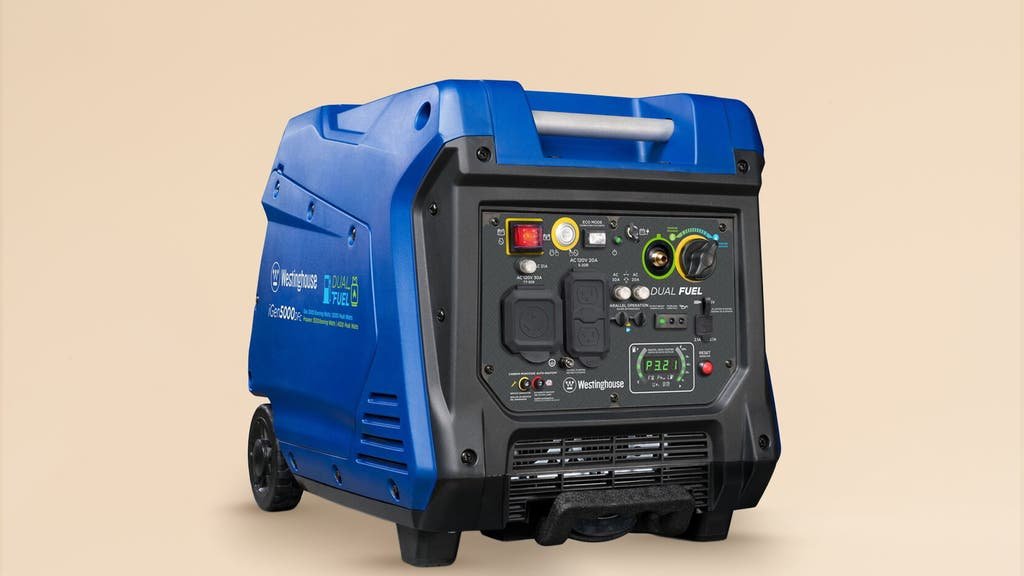
Choosing the right fuel can for your portable generator can make all the difference in ensuring smooth operation when you need power the most. Imagine being in the middle of a camping trip or a power outage, only to realize that your fuel supply is either insufficient or too cumbersome to manage.
Frustrating, right? This is where understanding the ideal fuel can size becomes crucial. By the end of this article, you’ll know exactly what size fuel can you need to keep your generator running efficiently without any hiccups. Stick around, because this knowledge can save you both time and trouble, ensuring you’re always prepared for the unexpected.

Credit: westinghouseoutdoorpower.com
Fuel Can Types
Fuel cans come in two main types: plasticand metal. Plastic cans are lightweightand often have a built-in spout for easy pouring. They resist rust and are usually cheaper. Metal cans are strongerand can last longer in rough use. They are betterfor storing fuel for a long time but may rust if scratched.
Some fuel containers are designed for special uses. These specialty fuel containersinclude cans for diesel, kerosene, or gasoline. They often have different colorsto show what fuel is inside. These cans keep fuel safeand help prevent mixing fuels.
Credit: www.nytimes.com
Generator Fuel Needs
Generators use fuel at different rates based on their size and load. Small portable generators usually consume between 0.1 to 0.5 gallonsper hour. Larger models may use up to 1 gallon per hour. Fuel consumption depends on how hard the generator works.
Run time varies with fuel tank size and generator efficiency. A 1-gallon fuel can might power a small generator for about 2-4 hours. Bigger fuel cans, like 5 gallons, can extend run time to 10-20 hours. Always check your generator’s manual for exact numbers.
Choosing The Right Size
Choosing the right fuel can size depends on how long the generator runs. Small capacity cansusually hold 1 to 2 gallons. They are easy to carry and fit small generators. Great for short trips or quick power needs.
Medium capacity optionshold about 3 to 5 gallons. These cans balance portability and fuel supply. Good for longer use without frequent refills. Ideal for camping or backup power at home.
Large capacity solutionsstore 6 or more gallons. Best for extended power needs or big generators. They are heavier and less easy to move. Perfect for long emergencies or job sites.
Safety Features
Spill preventionis key for safe fuel cans. Special nozzles help control fuel flow and stop leaks. This reduces fire risks and keeps the area clean.
Child-resistant capsstop kids from opening fuel cans. These caps need extra steps to open. This simple feature keeps children safe from harm.
Proper ventilationis needed when using fuel cans. Vents help release pressure and prevent explosions. Always use cans with built-in vents for safety.
Portability Factors
Weight is keyfor choosing a fuel can for a portable generator. A heavy can makes carrying difficult and tiring. Look for cans that balance capacity and weightso you can move easily.
Handle designaffects how easy it is to carry and pour fuel. Comfortable, sturdy handles reduce spills and make transport safer. Handles should fit your hand well and feel strong.
Stackabilityhelps save space during storage and transport. Fuel cans that stack neatly keep your area tidy and prevent cans from tipping over. This feature is useful for trips or storing multiple cans.
Storage Tips
Store fuel in cool, dry placesto keep it fresh and safe. Use approved containersdesigned for fuel storage. Keep containers tightly sealedto stop spills and fumes.
Fuel can get old and lose power. Use fuel within 30 daysor add a fuel stabilizer to extend life. Avoid storing fuel near heat, flames, or direct sunlight.
| Guideline | Details |
|---|---|
| Legal Limits | Check local laws on maximum fuel storage amounts. |
| Environmental Safety | Store fuel away from drains and water sources. |
| Disposal | Dispose of old fuel at approved centers only. |
Popular Brands
Popular fuel can brands offer various sizes for portable generators. Common sizes include 1 gallon, 2 gallons, and 5 gallons. Smaller cans are easy to carry and store. Larger cans hold more fuel but can be heavy.
Fuel cans must be safeand durable. Look for cans with spills-proof nozzlesand child-resistant caps. These features help prevent accidents and leaks.
| Brand | Size Options | Special Features |
|---|---|---|
| Scepter | 1, 2, 5 gallons | Spill-proof, no-drip spout |
| Midwest | 2, 5 gallons | Child-resistant cap, sturdy build |
| No-Spill | 1, 2 gallons | Easy pour, safety nozzle |
Budget-friendly fuel cans offer solid quality at low prices. They often include basic safety features. Buying the right size helps avoid frequent refills. Choose cans that fit your generator’s fuel needs well.

Credit: www.championpowerequipment.com
Frequently Asked Questions
What Size Fuel Can Is Best For A Portable Generator?
A 5-gallon fuel can is ideal for most portable generators. It provides enough fuel for extended use without being too heavy or bulky. Smaller cans may require frequent refills, while larger cans can be cumbersome and less portable.
How Long Does Fuel Last In A Portable Generator?
Fuel typically lasts 6 to 12 hours depending on the generator’s size and load. Running at half load usually extends fuel duration. Using the correct fuel can size ensures you have enough fuel for your generator’s runtime needs.
Can I Use Any Fuel Can For My Generator?
Not all fuel cans are suitable for generators. Use cans designed for gasoline with proper safety features. Look for containers with tight seals and spouts that prevent spills and evaporation. This ensures safe storage and easy refueling.
Why Is Fuel Can Size Important For Generators?
Choosing the right fuel can size balances portability and fuel availability. Too small cans mean frequent refueling; too large cans are heavy and hard to carry. The correct size improves convenience and ensures uninterrupted generator operation.
Conclusion
Choosing the right fuel can size helps keep your generator running smoothly. Too small a can means frequent refills and interruptions. Too large can be hard to carry and store safely. Think about how long you need power and how much space you have.
A good size balances convenience and safety. Always follow safety rules when handling fuel. This way, your portable generator stays ready whenever you need it.