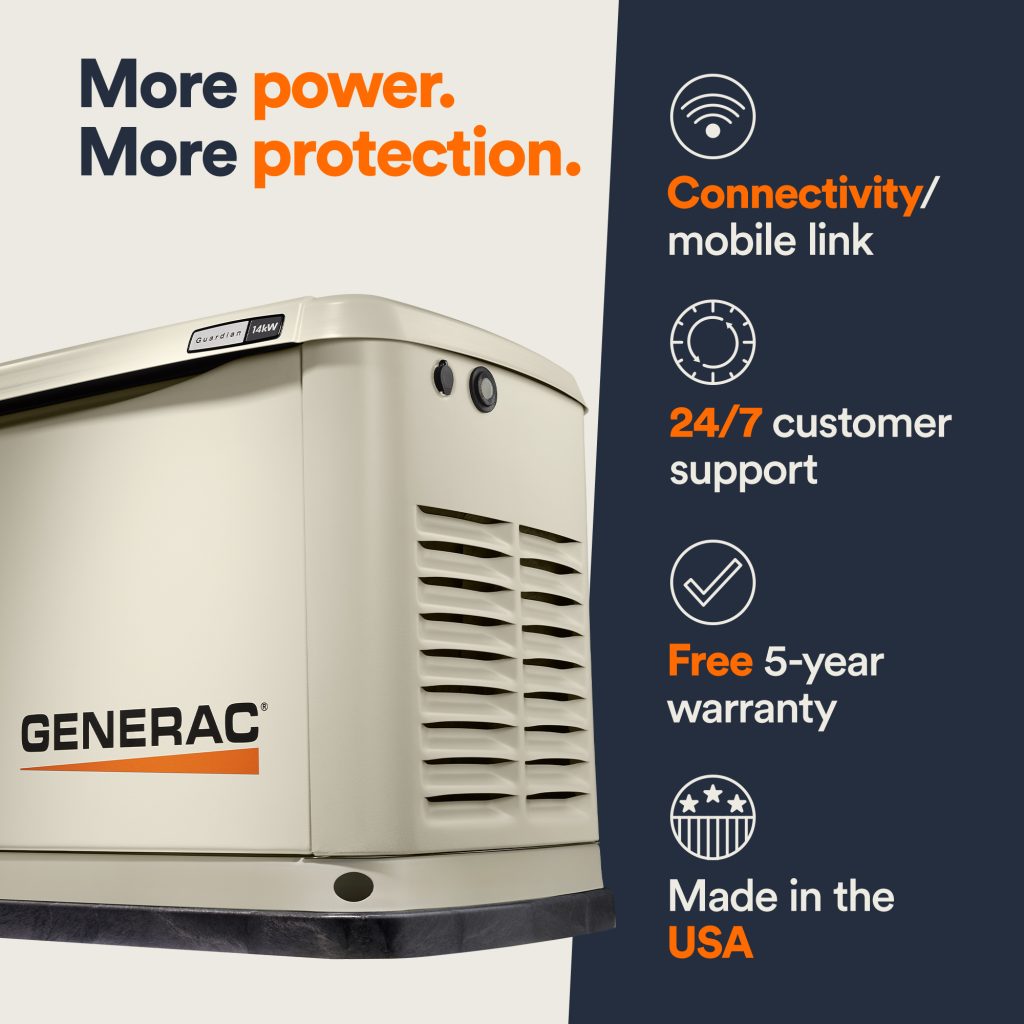
Choosing the right Generac standby generator size for your home or business can seem overwhelming. You’re likely wondering how to ensure uninterrupted power during unexpected outages.
The last thing you want is to invest in a generator that either falls short or is too excessive for your needs. But don’t worry, you’re not alone in this dilemma. We will guide you through the essential factors to consider when determining the perfect generator size.
From understanding your power requirements to decoding the technical specifications, we’ll equip you with the knowledge to make an informed decision. Get ready to discover the peace of mind that comes with knowing your home or business is always powered, no matter what.
Assessing Your Power Needs
Calculate the total wattageof all devices you want to power. Add up the watts for each appliance to find the sum. This total helps find the right generator size.
List your essential applianceslike fridge, lights, and heater. Focus on items you must run during an outage. This list keeps power needs clear and simple.
Think about future power needs. Will you add new devices later? Leave room for growth when choosing the generator size. This ensures your generator lasts long and fits your needs.
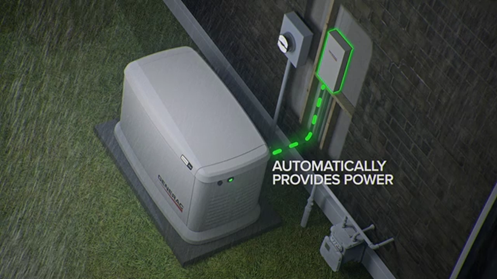
Credit: www.generac.com
Types Of Generac Standby Generators
Generac standby generatorscome in different types for various needs. Residential modelsare designed to power homes during outages. They can run essential appliances like refrigerators, lights, and heating systems. These models usually have power outputs from 7kW to 24kW. They start automatically when the power goes out. Quiet operation and easy installation make them popular for houses.
Commercial optionsserve businesses and larger buildings. They provide higher power, from 22kW up to 150kW or more. These generators support equipment, lighting, and security systems. They are built for longer run times and heavy loads. Many have features for remote monitoring and control. Commercial models help avoid costly downtime in shops, offices, or factories.
Generator Sizing Basics
Starting wattsare the extra power needed to start appliances like refrigerators. Running wattsare the power appliances need to keep working. Generators must handle the starting watts and running watts.
Single-phase power is common in homes. It uses two wires and is simpler. Three-phase power is used in bigger buildings and factories. It uses three wires and gives more power.
| Power Type | Number of Wires | Common Use | Power Delivery |
|---|---|---|---|
| Single-Phase | 2 | Homes, small businesses | Less power, simpler |
| Three-Phase | 3 | Factories, large buildings | More power, efficient |

Credit: solarpowerstore.ca
Factors Influencing Generator Size
The size of a Generac standby generatordepends on several key factors. First, home size and layoutmatter. Bigger homes or those with many rooms need more power. A small house may need less.
Climate and weatheralso affect the choice. Cold places may need extra power for heating. Hot areas might require more for air conditioning.
Fuel type and availabilityare important too. Generators use gas, propane, or diesel. Choose a fuel that is easy to get and store. Some fuels work better in certain climates.
Matching Generator Size To Your Home
Small homes and apartments usually need a generator with 5,000 to 7,500 watts. This size can power essential appliances like lights, refrigerator, and a few outlets. It keeps your home safe during power outages without extra cost.
Medium-sized houses often require a generator between 7,500 and 12,000 watts. This size supports more devices, including heating or cooling systems and kitchen appliances. It provides more comfort and convenience during blackouts.
Large homes and estates need a generator with 12,000 watts or more. These generators can run many appliances and systems at once. They ensure full home power without worry.
Installation And Maintenance Tips
Proper placementof your Generac standby generator is key. Place it on a flat, stable surface outdoors. Keep it away from windows, doors, and vents. This reduces noise and stops fumes from entering your home. Also, avoid areas prone to flooding or heavy snow.
- Routine maintenancekeeps your generator ready to work.
- Check oil and coolant levels regularly.
- Replace air filters and spark plugs as needed.
- Run the generator monthly to keep parts moving.
- Clear debris and snow around the unit.
Professional installationensures safety and code compliance. Experts connect your generator to your home’s electrical system properly. They also handle permits and inspections. This reduces risks and guarantees reliable power during outages.
Cost And Budgeting
Generator pricesvary by size and power output. Small units start around $2,000, while larger ones can cost over $10,000. Choosing the right size affects the price.
Installation costsinclude labor, permits, and materials. These can add $1,000 to $5,000to the total. Complex installations cost more, especially if electrical or plumbing work is needed.
Long-term savings come from fuel efficiencyand reliable power. A well-sized generator reduces fuel use and maintenance expenses. It can protect your home and prevent losses during power outages.
Common Mistakes To Avoid
Choosing the wrong sizegenerator can cause big problems. Oversizingmeans buying a generator too large for your needs. This wastes money and fuel. Undersizingmeans the generator is too small. It may not power all your devices at once. This causes outages and damage.
Ignoring load managementleads to wasted power and stress on the system. Proper load management helps balance the power use. It keeps the generator running smoothly and lasts longer.
Neglecting maintenancereduces the generator’s life. Dirt, oil changes, and part checks are vital. Without care, the generator may fail when needed most.
Credit: www.generac.com
Frequently Asked Questions
What Factors Determine Generac Generator Size?
Generator size depends on your home’s total wattage needs. Consider essential appliances, HVAC systems, and future power demands to choose the right size.
How To Calculate My Home’s Power Needs?
List all critical devices and their wattage. Add starting and running watts, then select a generator with capacity slightly above this total.
Can A Too Large Generator Cause Problems?
Yes, an oversized generator can waste fuel and increase costs. It may also wear out faster due to short cycling.
Is It Better To Oversize Or Undersize A Generator?
It’s best to slightly oversize your generator for safety and future needs. Undersizing risks power shortages during outages.
Conclusion
Choosing the right Generac standby generator size matters a lot. Think about what you need to power during an outage. Small homes need less power, bigger homes need more. Check your appliances and devices carefully. A properly sized generator runs smoothly and saves money.
It keeps your home safe and comfortable. Take your time to compare options. This helps you find the best fit for your needs. A good choice brings peace of mind during power cuts. Simple steps lead to smart decisions.