Imagine this: a storm hits, and your power goes out. Suddenly, you’re in the dark, your food is thawing, and the comfort of your home is disrupted.
It’s a frustrating scenario, right? This is where a home backup generator becomes your hero. But here’s the catch—choosing the right size generator is crucial. Too small, and it won’t power everything you need; too large, and you’re wasting money.
So, what size home backup generator do you need? This article will guide you through understanding your power needs and making a smart choice. Stay with us, and by the end, you’ll have the confidence to keep your home running smoothly, no matter what.
Assessing Power Needs
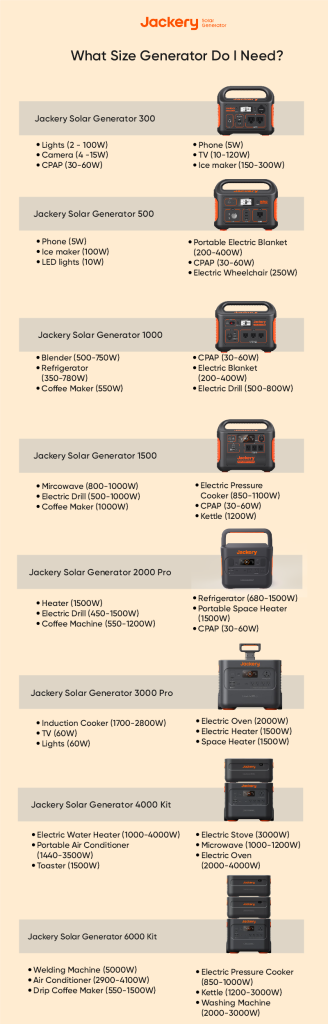
Identify appliances that must stay on during power cuts. Refrigerators, lights, and heating systems are important. Medical devices should also be considered. List these items and make sure you know their wattage.
Find the wattage for each appliance. Sum these numbers to get the total wattage. Use a wattage calculator for accuracy. This helps in picking the right generator size.
Think about future power needs. You might add new appliances. Or upgrade existing ones. Choose a generator that can handle more power. This avoids buying a new one later.
Types Of Home Backup Generators
Portable generators are small and easy to move. They are perfect for short power outages. You can use them for camping and outdoor events too. They need gasoline to run. Keep extra fuel handy during storms. Always use them outside your home. They make noise, so place them far from the house.
Standby generators are larger and fixed. They turn on automatically when power fails. They run on natural gas or propane. They provide power to the whole house. They are quiet and efficient. They need professional installation. They are a long-term power solution.
Inverter generators are quiet and energy-efficient. They adjust power output based on need. They are smaller than standby generators. They work well for sensitive electronics. They provide clean power. They are more expensive than portable ones. They are suitable for small homes and apartments.
Generator Sizing Guidelines
Choosing the right size home backup generator involves calculating your household’s power needs. Consider essential appliances and total wattage. Accurate sizing ensures reliable power during outages without overloading the generator.
Wattage Calculations
Start by identifying the essential appliancesyou want to power. Make a list of items like the fridge, lights, and heater. Check each appliance’s wattageon its label. Add up all these numbers. This gives you the total wattage requirement. Remember, some appliances need extra power to start. This is called starting wattage.
Sizing Charts
| Appliance | Running Watts | Starting Watts |
|---|---|---|
| Refrigerator | 700 | 1400 |
| Light Bulb | 60 | 60 |
| Heater | 1500 | 1500 |
Professional Assessments
Consider getting a professional assessmentfor accurate sizing. Experts can measure your home’s energy needs. They help choose the right generator size. This avoids buying too big or too small. Proper sizing saves money and ensures safety. Professionals also consider your future power needs.

Credit: nomicpower.com
Fuel Options For Generators
Choosing the right generator size depends on fuel types like gasoline, propane, or diesel. Each fuel option offers different benefits. Understanding these can help determine the best generator for your home needs.
Gasoline
Gasoline is easy to find at gas stations. It burns fast and gives good power. But it is not the best for storing. Gasoline goes bad in a few months. It is also not safe to store a lot at home.
Propane
Propane burns clean and is easy to store. It can last a long time in tanks. It is safer than gasoline to keep at home. But propane can be hard to find in some places. It may cost more than other fuels.
Natural Gas
Natural gas is very handy if you have gas lines at home. It never runs out, so no need to store it. It costs less than other fuels. But it stops working if gas lines break or freeze.
Diesel
Diesel fuel gives strong power and lasts long. It is best for big generators. It stores well without going bad soon. But diesel can be noisy and smells bad when burning.
Installation Considerations
Choose a spot with good air flow. The generator needs to breathe. Place it away from windows and doors. Keep it safe from rain and snow. Measure the space before buying. Ensure there’s room for the generator and cables. It should be easy to reach for maintenance.
Generators can be noisy. Check the noise level before buying. Some are quieter than others. Place it away from living areas. Neighbors will appreciate less noise too. Consider adding a sound barrier if needed.
Safety is very important. Ensure the generator is grounded. This prevents shocks. Never run it indoors. The exhaust is dangerous. Carbon monoxide can harm you. Use a transfer switch for power safety. Always follow the manufacturer’s instructions.
Maintenance And Longevity
Choosing the right size home backup generator ensures long-lasting performance and efficient maintenance. A well-sized generator supports essential home functions, reducing wear and increasing longevity.
Regular Maintenance Tips
Clean the generator often. Remove dirt and debris. Check oil levels regularly. Replace old oil with fresh oil. Inspect air filters for dust. Change them if dirty. Look at spark plugs. Replace them when worn out. Battery health is crucial. Charge it or replace if weak. Test the generator monthly. Run it for a few minutes. Listen for any strange sounds.
Common Issues
Generators can face fuel problems. Check fuel regularly. Leaking oil is another issue. Fix leaks quickly. Battery problems are common. Keep batteries charged. Air filter clogs can happen. Replace filters when clogged. Spark plug wear affects performance. Replace spark plugs often. Overloading can damage the generator. Use the correct power limit.
Extending Generator Life
Use generators wisely. Avoid running them for too long. Keep them cool. Proper ventilation is key. Store generators in a dry place. Cover them when not in use. Avoid using old fuel. Fresh fuel keeps engines healthy. Regular checks are important. Fix problems early. Maintain a clean environment. Dust can harm the generator.
Cost Factors And Budgeting
Choosing the right size for a home backup generator involves considering power needs and cost factors. Larger generators offer more power but increase initial costs. Budgeting requires balancing power requirements with affordability.
Initial Purchase Costs
The price of a generator depends on its size. Smaller generators cost less. Larger generators cost more. Prices range from $500 to $15,000. Decide your budget first. Choose a generator that fits your needs. Look for deals and discounts.
Installation Expenses
Professional installation is necessary. It ensures safety and efficiency. Installation costs add to your budget. Prices vary based on complexity. Basic installation may cost $500. Complex setups can exceed $2,500. Compare quotes from different installers.
Operating Costs
Generators need fuel to run. Fuel prices can vary. Gasoline is cheaper but needs more refills. Propane lasts longer but costs more. Maintenance costs are also important. Routine checks ensure smooth operation. Factor these costs into your budget.

Credit: www.generac.com
Benefits Of Home Backup Generators
Selecting the right size home backup generator ensures power during outages. Assess household energy needs for appliances and systems. Proper sizing avoids overloads and maximizes efficiency, offering peace of mind and consistent power supply.
Power Reliability
Home backup generators ensure constant powerduring outages. They automatically switch on when the power goes out. This means you can keep your lights on and your fridge running. You won’t have to worry about spoiled food or no lights. A generator is like a safety net for your home.
Increased Home Value
A backup generator can make your home more valuable. Many buyers like homes with generators. They see them as a good investment. It shows the house is ready for emergencies. So, having one can help if you decide to sell your house.
Peace Of Mind
Generators provide peace of mind. You don’t worry about power cuts. You know your family will be safe and comfortable. No more stress about sudden blackouts. It’s like having a reliable friend always ready to help. Sleep better knowing you’re prepared.

Credit: x.com
Frequently Asked Questions
What Size Backup Generator To Run A House?
A 5,000 to 7,500-watt generator typically powers essential home appliances. Larger homes may need 10,000 watts or more. Calculate total wattage of appliances to determine exact size.
How Big Of A Generator Does It Take To Run A 2000 Foot House?
A 5,000 to 7,500-watt generator typically powers a 2,000-square-foot house. Consider essential appliances, HVAC systems, and lighting needs. Check power requirements for accurate sizing and efficiency. Ensure generator compatibility with your home’s electrical setup for optimal performance and safety.
Can I Run My Whole House With A 6500 Watt Generator?
A 6500 watt generator can power essential home appliances. It supports lights, refrigerator, and small electronics. High-energy devices like central air conditioners may exceed its capacity. Calculate total wattage of devices to ensure the generator meets your home’s needs. Always prioritize essential appliances during power outages.
How Big Should My Backup Generator Be?
Determine your backup generator size by calculating the total wattage of essential appliances. Add a 20% buffer to this total for safety. A typical home needs a generator between 5,000 and 7,500 watts. Consult with a professional for precise requirements.
Conclusion
Choosing the right generator size ensures your home stays powered. Consider your essential appliances and devices. Calculate their wattage. Match your generator to your needs. Think about future energy demands. A good generator offers peace of mind. It keeps lights on and food fresh.
Protects electronics too. Investing wisely saves you from surprises during outages. Remember, a generator is an important home investment. Always consult professionals for advice. They help you choose the right size. With the right generator, your home stays safe and comfortable.
Power outages become less stressful. Enjoy the benefits of reliable backup power.