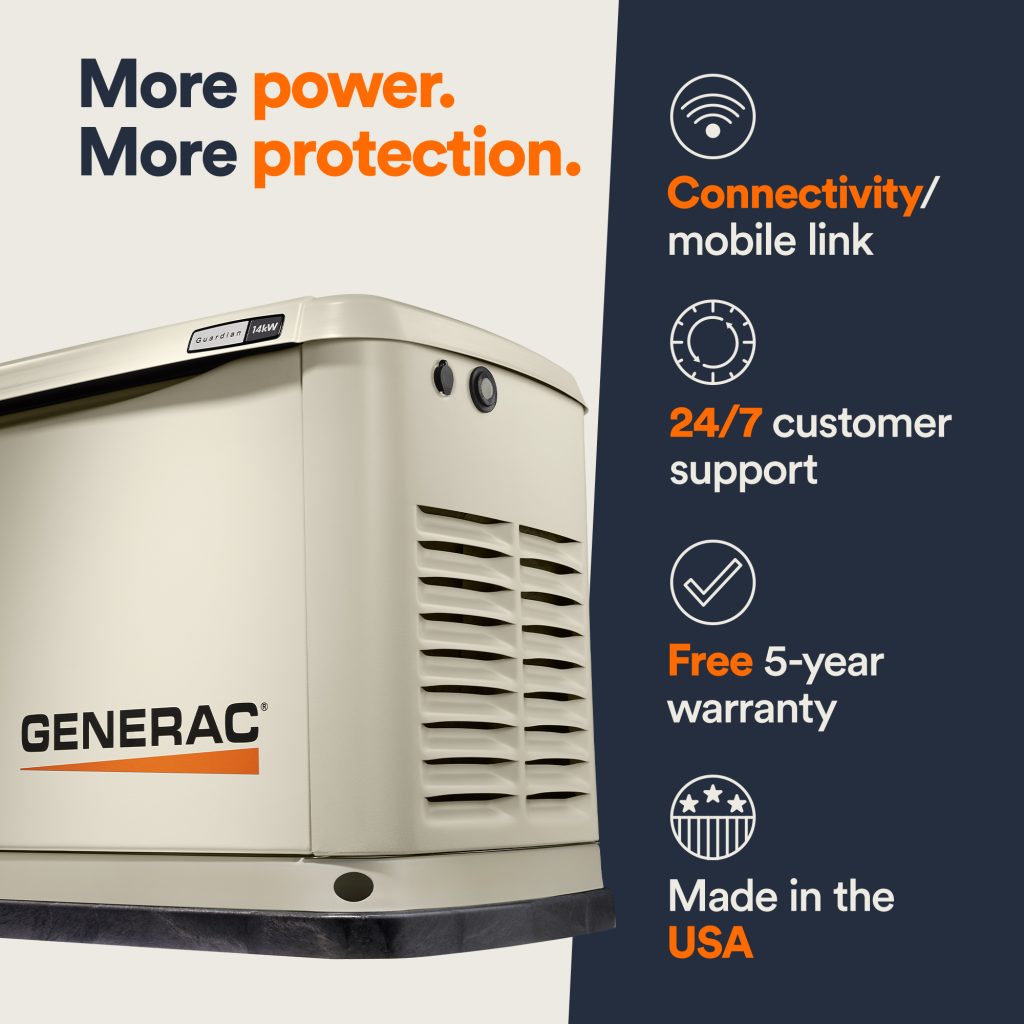
When the power goes out, your home can come to a sudden stop. You don’t want to be left in the dark or lose access to essentials like heating, cooling, or your fridge.
That’s where a home standby generator comes in. But how do you know what size generator you really need? Picking the right size isn’t just about keeping the lights on—it’s about protecting your comfort, safety, and peace of mind. You’ll discover simple steps to find the perfect generator size for your home, so you can stay powered no matter what.
Keep reading to make the smartest choice for your family and your home.
Why Size Matters
Proper sizingof a home standby generator ensures it runs smoothly. A generator that is too small will fail to powerall essential appliances. Too large, and it wastes fueland costs more upfront. The right size keeps your home safe and comfortable during power outages.
Choosing the correct size affects how well the generator performs. A well-sized generator can handle surgesfrom appliances starting up. It delivers steady powerwithout frequent shutdowns or overloads. This protects your devices and extends the generator’s life.
Cost matters. Bigger generators cost more to buy and install. They also use more fueleven when powering fewer appliances. Smaller units save money but might not cover all your needs.
Fuel efficiency depends on matching the generator to your power needs. A generator that runs near its full capacity uses fuel more efficiently. Running at very low loads wastes fuel and can cause damage over time.

Credit: beckelectriccompany.com
Types Of Home Generators
Portable generatorsare small and easy to move. They run on gas and power a few appliances. Good for short outages and outdoor use.
Standby generatorsare fixed outside your home. They run on propane or natural gas. Turn on automatically during power loss. Can power the whole house.
Inverter generatorsare quiet and fuel-efficient. They produce clean power, safe for sensitive electronics. Great for camping and small home needs.
Calculating Your Power Needs
Start by listing your essential appliancesto power during an outage. Include items like the refrigerator, lights, heating, and medical devices. Remember, only the most important devices need to be powered.
Next, add up the total wattageof these appliances. Check each device’s label or manual for wattage info. If you can’t find it, use an online wattage guide. This sum tells you the minimum size for your generator.
Keep in mind, some appliances need more power to start than to run. These are called starting watts. For example, air conditioners and refrigerators require a short burst of extra power at startup.
| Type of Wattage | Description | Example |
|---|---|---|
| Running Watts | Power needed to keep the appliance on | Light bulb, fan |
| Starting Watts | Extra power needed to start the appliance | Refrigerator, air conditioner |

Credit: www.cummins.com
Common Generator Sizes
Small capacity generatorsusually provide up to 5,000 watts. They power essential appliances like lights, fans, and a refrigerator. These are good for small homes or short power outages.
Medium capacity generatorsrange from 5,000 to 10,000 watts. They support more appliances and small air conditioning units. Ideal for medium-sized homes with moderate power needs.
Large capacity generatorsoffer 10,000 watts or more. They can run the entire home, including heating and large appliances. Suitable for bigger houses or long power outages.
Factors Affecting Generator Size
The size of your homeand its layoutaffect generator needs. Larger homes need more power to run all devices. Open floor plans may require less power than many separate rooms.
Climate and weatherimpact generator size too. Cold climates may need extra power for heating. Hot areas require power for air conditioning. Frequent storms mean a larger generator for longer outages.
Future expansion plansshould be considered. Adding rooms or new appliances increases power needs. Choose a generator that can handle future growth to avoid replacements.

Credit: nomicpower.com
Fuel Options And Their Impact
Natural gasis a common fuel for home standby generators. It flows through underground pipelines, so there is no need to refill tanks. This fuel is cleaner and burns efficiently, helping the generator run smoothly. Natural gas works well for long power outages because supply is steady.
Propaneis stored in tanks outside the home. It burns cleaner than diesel and is easy to store for emergency use. Propane generators start quickly and produce less noise. However, tanks need refilling after use, so supply can limit long outages.
Dieselfuel is powerful and reliable for large generators. It stores well but can be harder to find in emergencies. Diesel generators often last longer and handle heavy loads better. They need regular maintenance to keep running well.
Installation And Maintenance Tips
Professional installationensures your generator works safely and efficiently. Experts know how to connect the unit to your home’s electrical system properly. This avoids damage and keeps your family safe. Professionals also check local codes and get permits if needed. This saves you time and trouble.
Regular maintenancehelps your generator stay reliable. Tasks include:
- Checking oil levels and changing oil
- Cleaning or replacing air filters
- Testing the battery and charging system
- Running the generator monthly to keep parts moving
- Inspecting fuel lines for leaks or cracks
Safety precautionsare key. Always turn off the generator before doing any work. Keep the area clear of flammable materials. Use a carbon monoxide detector nearby. Never run the generator indoors or in enclosed spaces. Follow the owner’s manual for safe use and storage.
Cost Breakdown And Budgeting
Generator pricesvary widely based on size and power. Small models start around $500. Larger units can cost over $5,000. Choose a size that fits your home’s needs.
Installation costsinclude wiring, permits, and labor. These can add $1,000 to $3,000to the total price. Professional installation is important for safety and warranty.
Long-term expensescover fuel, maintenance, and repairs. Fuel costs depend on generator size and usage. Regular oil changes and filter replacements keep the generator working well. Budgeting for these helps avoid surprises.
Selecting The Right Brand
Choosing a reliable brandis key for a home standby generator. Top manufacturers include Generac, Kohler, and Briggs & Stratton. These brands offer solid performance and trusted quality.
Check the warranty and supporteach brand provides. A good warranty covers parts and labor for several years. Strong customer support helps with installation and troubleshooting.
Customer reviews reveal real-life experiences. Look for comments on durability, noise level, and service. Positive reviews signal a dependable product.
Frequently Asked Questions
What Factors Determine The Size Of A Home Standby Generator?
The size depends on your home’s total wattage needs, including appliances and HVAC systems. Consider essential circuits and peak power usage. Calculate starting and running watts for accurate sizing. A professional load assessment ensures you choose the right generator size.
How Do I Calculate My Home’s Power Requirements?
Add the wattage of all essential appliances and devices you want to power. Include starting watts for motors and compressors. Use a load calculator or consult an electrician for precise calculations. This helps select a generator that meets your home’s needs.
Can A Generator Power My Entire Home During An Outage?
Yes, but it depends on the generator’s capacity and your home’s power needs. Whole-house generators handle all circuits, but may be larger and costlier. Choose a generator sized to cover your essential appliances and systems for optimal performance.
Should I Size The Generator For Peak Or Continuous Power?
Size your generator based on peak starting watts of appliances to prevent overload. Continuous running watts are lower but important for sustained operation. Proper sizing ensures reliable power without damaging your generator or connected devices.
Conclusion
Choosing the right home standby generator is crucial. It ensures your home remains powered during outages. Consider your power needs first. Calculate the wattage of essential appliances. Factor in future needs too. A professional can help with assessments. Safety and budget are key considerations.
A well-chosen generator offers peace of mind. It keeps your household running smoothly. Always research before making a purchase. Reliable power backup is worth the investment. Stay prepared for unexpected power cuts. Your home’s comfort depends on it.