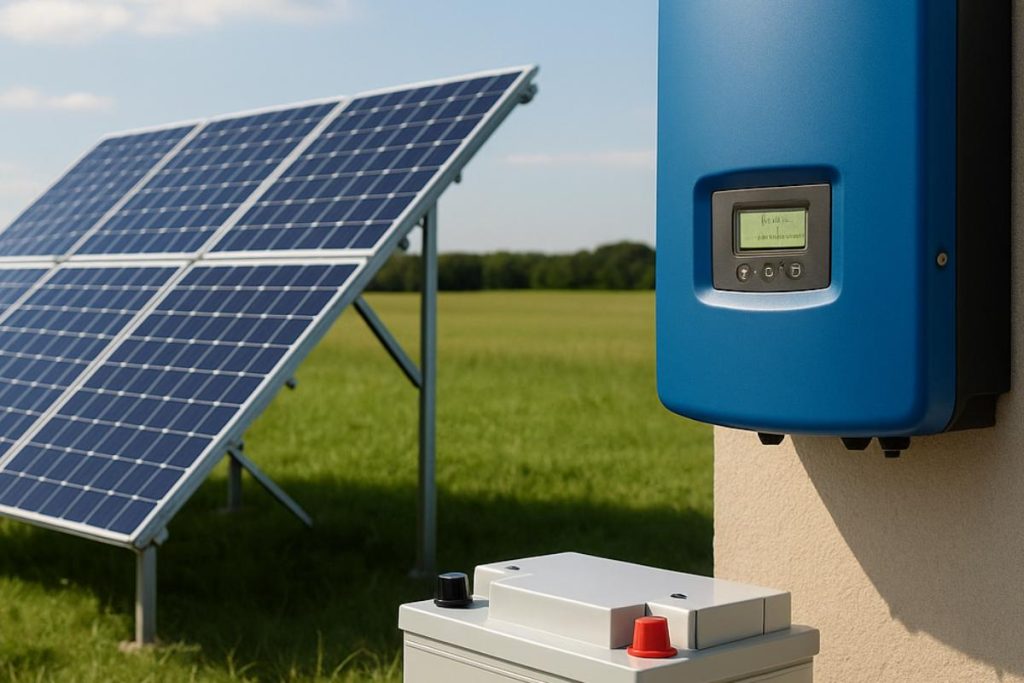
Are you curious about what size inverters are used in solar power systems? Understanding this can make a big difference when setting up your own solar generation.
The right inverter size affects how efficiently your solar panels convert sunlight into usable electricity. If you choose the wrong size, you could end up wasting energy or spending more than necessary. You’ll discover exactly how to find the perfect inverter size for your solar setup.
Keep reading to make sure your solar system works at its best and saves you the most money.

Credit: medium.com
Types Of Solar Inverters
String invertersconnect many solar panels in a row. They are simple and cost-effective. If one panel has a problem, it can affect the whole string’s output.
Microinvertersare small and attached to each panel. They work independently, so one panel’s issue does not affect others. They improve energy harvest but cost more.
Central invertersare large and used in big solar farms. They handle power from many panels at once. These inverters are powerful but less flexible for shading or panel issues.
Hybrid inverterscombine solar and battery storage systems. They manage solar energy and battery charging together. Useful for homes wanting backup power and energy savings.

Credit: bydenergia.com
Factors Influencing Inverter Size
Solar panel capacityis key for choosing the right inverter size. A larger solar array needs a bigger inverter to handle the power.
Energy consumption needsdecide how much power the inverter should supply. Homes with more devices require inverters with higher capacity.
The system voltageaffects inverter compatibility. Matching voltage ensures efficient energy conversion and safety.
Future expansion plansmatter too. Planning extra panels means choosing an inverter that can handle more power later.
Common Inverter Sizes In Solar Plants
Residential scale invertersare usually small. They range from 1 kW to 10 kW. These are used for homes and small buildings. They convert the solar power for everyday use.
Commercial scale invertersare bigger. They range from 10 kW to 500 kW. These support offices, shops, and schools. They handle more power than home inverters.
Utility scale invertersare the largest. They can be 500 kW to several MW. These are used in big solar plants. They send power to the grid for many users.
| Scale | Inverter Size Range | Typical Use |
|---|---|---|
| Residential | 1 kW – 10 kW | Homes, small buildings |
| Commercial | 10 kW – 500 kW | Offices, shops, schools |
| Utility | 500 kW – several MW | Large solar plants, power grid |
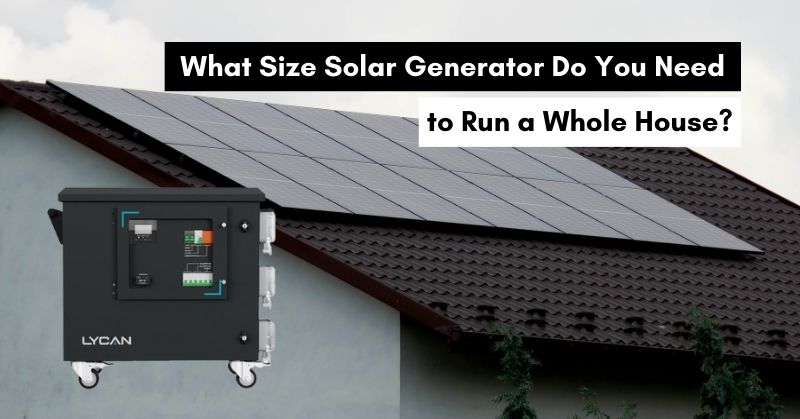
Credit: www.renogy.com
Matching Inverter Size To Solar Array
Choosing the right inverter sizeis key for solar systems. An inverter must match the solar array’s power output. Oversizingmeans the inverter is too big. This can cause higher costsand lower efficiency. Undersizingmeans the inverter is too small. It may limit powerduring sunny times.
Efficiency depends on the inverter’s size compared to the solar array. A well-sized inverter runs near its capacity most of the time. This keeps energy loss low. Too large or too small inverters waste energy.
| Factor | Effect of Oversizing | Effect of Undersizing |
|---|---|---|
| Efficiency | Lower efficiency, energy loss | Power clipping, reduced output |
| Cost | Higher upfront and maintenance cost | Lower cost but may lose savings |
| System Life | Potential stress on components | Possible overload risk |
Inverter Sizing For Different Solar Technologies
Different solar technologies require specific inverter sizes to match their power output efficiently. Choosing the right inverter size helps maximize energy production and system lifespan. Smaller systems use lower-capacity inverters, while larger solar plants need bigger, more robust inverters.
Photovoltaic Systems
Photovoltaic (PV) systemsuse inverters that match the solar panel size. Usually, inverter size is about 80% to 125%of the solar array’s power. This helps handle changes in sunlight and power output. For example, a 5 kW solar panel might use a 4 to 6 kW inverter.
Choosing the right size keeps the system efficientand safe. Too small inverters can limit power. Too large ones cost more and reduce efficiency.
Concentrated Solar Power Systems
Concentrated Solar Power (CSP) systems use bigger inverters. These inverters handle the power from many mirrors or lenses. The size depends on the plant’s total power output, often in megawatts (MW).
These inverters must work well with the heat and energy storage parts. They convert large amounts of DC power into AC for the grid.
Regulations And Standards Impacting Inverter Size
Grid connection requirementsdecide the size of solar inverters. They ensure the inverter works safely with the local power grid. Inverters must match voltage, frequency, and power limits set by grid operators.
Safety standards protect people and equipment. Inverters need built-in features to stop faults and overloads. They also must have proper insulation and grounding.
| Aspect | Impact on Inverter Size |
|---|---|
| Voltage Limits | Inverter must support grid voltage levels |
| Frequency Range | Must keep output frequency stable |
| Power Capacity | Size depends on solar panel output |
| Fault Protection | Requires safe shutdown features |
| Insulation & Grounding | Ensures user and equipment safety |
Innovations In Inverter Technology
Smart invertershelp solar systems work better. They can talk to the power grid. This helps keep electricity steady and safe. They also can fix problems fast. Smart inverters can change how much power they send to the grid. This helps when the sun is very bright or when clouds cover it.
Energy storage integrationmeans storing power for later use. Batteries store extra energy from the sun. This energy can be used at night or on cloudy days. It makes solar power more reliable. Solar systems with storage can save money by using power when rates are high.
Selecting The Right Inverter Size
Consulting with experts helps choose the right inverter sizefor your solar system. Experts check your energy needsand system capacity. They also consider future energy use to avoid under-sizing.
Using sizing tools can simplify the process. These tools ask for your solar panel wattageand daily energy use. They provide a recommended inverter size that matches your system’s output.
| Manufacturer Specifications | Details |
|---|---|
| Input Voltage | Check if inverter matches solar panel voltage |
| Maximum Power | Ensure inverter can handle peak solar power |
| Efficiency Rating | Higher efficiency means better energy conversion |
| Warranty & Support | Longer warranty offers more reliability |
Frequently Asked Questions
What Size Inverters Are Common In Solar Generation?
Solar generation typically uses inverters ranging from 5 kW to 100 kW. Residential systems often use 5-10 kW inverters. Commercial plants may require larger, 50-100 kW inverters for efficiency and power handling. The size depends on energy demand and system scale.
How Do Inverter Sizes Impact Solar System Efficiency?
Inverter size affects how efficiently solar energy converts to usable electricity. An appropriately sized inverter maximizes output and reduces energy loss. Oversized or undersized inverters can cause inefficiencies and increase costs. Proper sizing ensures optimal performance and longevity of the solar system.
Why Choose Larger Inverters For Solar Plants?
Larger inverters handle higher power loads and reduce wiring complexity. They improve energy conversion efficiency in big solar plants. Using bigger inverters can decrease installation costs and maintenance needs. This choice depends on project size, budget, and energy output goals.
Can Small Inverters Work For Large Solar Setups?
Small inverters are typically unsuitable for large solar installations. They may limit power capacity and reduce system efficiency. Large setups require inverters matched to total energy output. Using multiple small inverters can increase complexity and cost.
Conclusion
Choosing the right inverter size matters for solar efficiency. It ensures optimal energy production. Properly sized inverters handle power needs effectively. This reduces energy waste and increases system lifespan. Smaller systems may use 1-3 kW inverters. Larger installations might need 5-10 kW or more.
Always consider your solar panel output and energy demands. Consult professionals for precise sizing. The right choice boosts performance and reliability. Investing in the correct inverter size supports sustainable energy goals. Ensure your solar setup is efficient and long-lasting. Make informed decisions for a greener future.