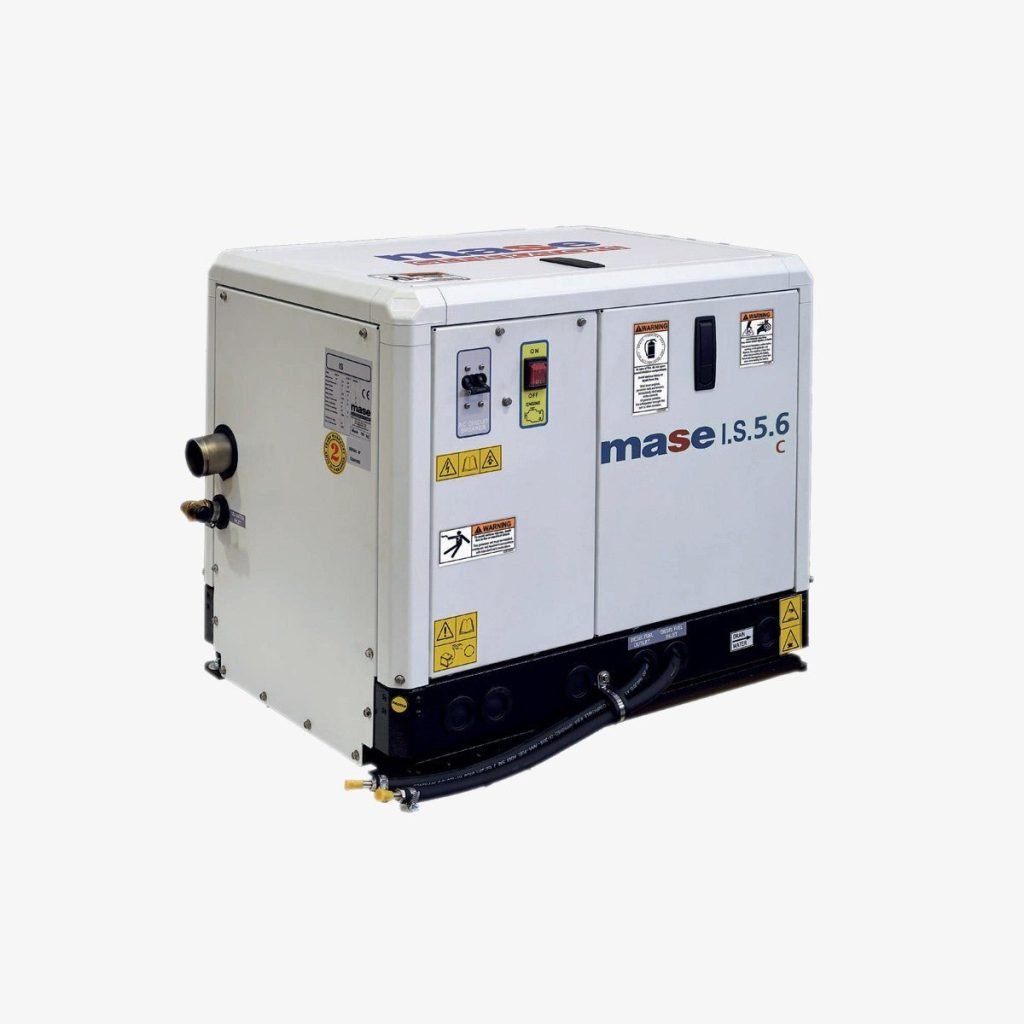
Choosing the right size marine diesel generator can feel overwhelming. You want power you can count on without wasting space or money.
But how do you know exactly what size fits your boat and your needs? You’ll discover simple steps to figure out the perfect generator size for your marine adventures. By the end, you’ll feel confident making the best choice to keep your boat running smoothly and efficiently.
Keep reading to find the answers you’ve been searching for.
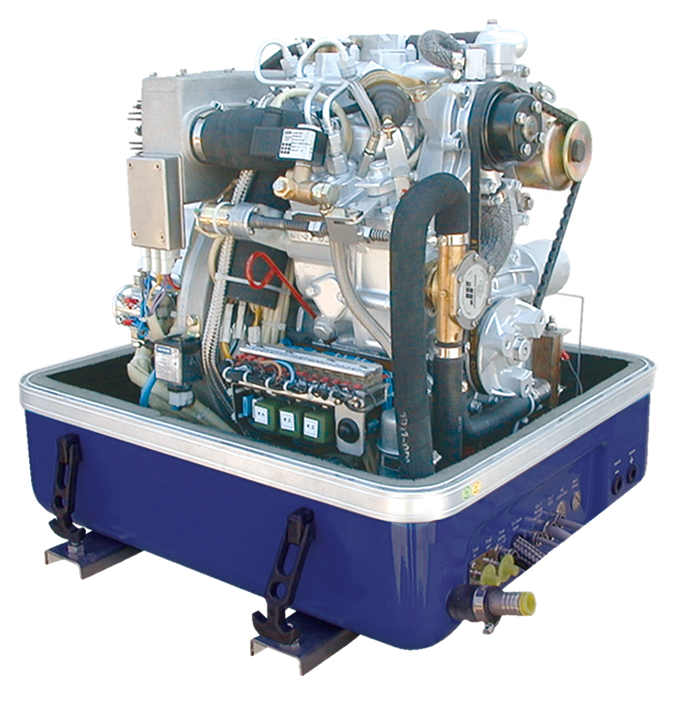
Credit: www.morganscloud.com
Factors Affecting Generator Size
Power needs are the main factor in choosing a marine diesel generator. Calculate the total watts required for all devices on your boat. Include lights, pumps, and navigation gear. Consider the starting load, which is higher than the running load. Some equipment needs extra power to start, such as motors and compressors.
Plan for future power needs. Add extra capacity to handle new devices or upgrades. This avoids buying a new generator soon. A generator too small may fail or run often at full load. Too large wastes fuel and space.
Types Of Marine Diesel Generators
Marine diesel generators come in two main types: portableand permanent. Portable generators are easy to move and good for small boats or backup power. Permanent generators are fixed and better for larger vessels with steady power needs.
Generators also differ by their electrical output: single-phaseand three-phase. Single-phase is simpler and works well for small loads like lights and small appliances. Three-phase provides more power and is used for bigger engines and heavy equipment.
| Type | Use | Power Output | Best For |
|---|---|---|---|
| Portable | Temporary, flexible | Low to medium | Small boats, backup |
| Permanent | Fixed, steady | Medium to high | Large vessels, main power |
| Single-Phase | Simple power | Low | Lights, small tools |
| Three-Phase | Strong power | High | Big engines, heavy loads |
Calculating Your Power Needs
Make a list of all electrical applianceson your boat. Include lights, fridge, fans, pumps, and navigation tools. Check each device’s power rating on its label. Write down the wattage to know how much power each uses.
Sum up the wattage numbers to get the total power needed. This total helps find the right generator size. Remember, some devices use more power when starting.
| Appliance | Running Watts | Starting (Surge) Watts |
|---|---|---|
| Refrigerator | 150 | 450 |
| Water Pump | 100 | 300 |
| Lights | 200 | 200 |
| Navigation Equipment | 100 | 100 |
Consider surge powerfor devices like pumps and fridges. This is the extra power needed to start them. Choose a generator that can handle the highest surge wattage. It keeps your power supply steady and safe.
Common Generator Sizes For Boats
Small vessels usually need generators under 5 kW. These are good for basic needs like lighting and small appliances. They are light and easy to fit in tight spaces.
Medium-sized boats often require generators from 5 kW to 15 kW. These can power refrigerators, small air conditioning units, and other devices. They provide a good balance of power and size.
Large yachts need generators over 15 kW. These support multiple systems at once, including heavy-duty air conditioners, kitchens, and entertainment systems. They are bigger and need more space for installation.
Fuel Efficiency And Consumption
Diesel consumption ratesvary based on generator size and load. Smaller generators use less fuel but may not power all equipment. Larger generators consume more fuel but handle bigger loads efficiently.
Fuel use depends on how hard the generator works. Running at full loaduses more diesel. At partial load, fuel use drops but efficiency can decrease.
| Generator Size (kW) | Diesel Consumption (liters/hour) | Efficiency Notes |
|---|---|---|
| 5 – 10 kW | 1 – 2 | Good for small loads, very fuel-efficient |
| 10 – 30 kW | 2 – 5 | Balances fuel use and power for medium loads |
| 30 – 100 kW | 5 – 15 | Best for large loads, higher fuel use but stable |
Choosing a generator size means balancing fuel efficiencywith power needs. Too small, and it runs too hard, wasting fuel. Too large, and it wastes fuel at low load.

Credit: www.morganscloud.com
Installation And Space Considerations
Available space on board limits the size of the marine diesel generator. Compact generators fit better in small engine rooms. Measure the space carefully before choosing. Keep some room around the generator for easy access and maintenance. A tight space can cause problems later.
Ventilation is very important to keep the generator cool. Generators produce heat and need fresh air to run well. Without good airflow, the generator may overheat and stop working. Install vents or fans to move air in and out. Make sure exhaust gases leave the boat safely. Cooling systems help the generator work longer and safer.
Noise And Vibration Levels
Noise and vibrationfrom a marine diesel generator affect comforton board. Loud noise can disturb sleep and conversations. Vibrations may cause unpleasant shakingin the cabin.
To reduce noise, consider installing soundproof enclosures. These help block sound waves. Mounting the generator on anti-vibration padslowers shaking. Placing the unit away from living areas also helps.
- Use insulation materialsaround the generator room.
- Choose a low-noise modelif possible.
- Regular maintenance keeps noise and vibration low.
Maintenance And Reliability
Choosing the right size marine diesel generator ensures reliable power without wasting fuel. Assess your boat’s total power needs to match the generator capacity accurately. Proper sizing supports smooth operation and reduces maintenance issues.
Routine Maintenance Tasks
Regular checks keep marine diesel generators running smoothly. Change oil and filters often. Check coolant levels to avoid overheating. Clean air filters to ensure good airflow. Inspect belts for wear and tear. Test the battery and charging system regularly. Tighten loose connections to prevent faults. Run the generator under load to spot issues early. Keep a log of all maintenance activities. This helps track problems and plan repairs.
Choosing Reliable Brands
Pick brands known for quality and durability. Look for manufacturers with good customer support. Check reviews from other boat owners. Consider availability of spare parts nearby. Reliable brands often offer warranties and service plans. Investing in a trusted brand saves money on repairs. It also reduces downtime during trips.
Budgeting For Your Generator
Initial costsinclude the price of the generator and installation fees. Size and power affect the price. Bigger units cost more. Installation may need special wiring or extra parts. These costs should fit your budget before buying.
Operating expensescover fuel, maintenance, and repairs. Diesel fuel can be costly over time. Regular maintenance keeps the generator running well. Repairs can add up if not done on time. Plan for these expenses to avoid surprises.
Regulations And Safety Standards
Marine diesel generators must meet strict certification rules. These rules ensure safety and reliability at sea. Certificates often come from recognized bodieslike ABS, DNV, or Lloyd’s Register.
Generators should pass tests for emissions, noise, and vibration. They must also be resistant to saltwater and harsh weather. Proper certification helps avoid legal issues and fines.
- Install generators in well-ventilatedareas
- Use fire-resistant materialsaround the unit
- Keep emergency shut-off switchesaccessible
- Check fuel linesregularly for leaks
- Follow manufacturer’s safety guidelinesstrictly

Credit: allprogenerators.com
Frequently Asked Questions
What Factors Determine The Size Of A Marine Diesel Generator?
The size depends on your vessel’s total power needs, including all electrical devices. Calculate peak and continuous loads for accuracy. Consider future power requirements and safety margins to avoid overload.
How To Calculate Power Needs For Marine Generators?
List all electrical equipment and their wattage. Add peak wattage to find total load. Choose a generator with a capacity 10-20% higher than total load for safety.
Can A Generator Be Too Large For My Boat?
Yes, an oversized generator wastes fuel and space. It may also cause inefficient operation and higher maintenance costs. Select a size that matches your actual power needs closely.
What’s The Difference Between Continuous And Peak Power Ratings?
Continuous power is the generator’s output for long periods. Peak power is the short burst output during startup of equipment. Both ratings are essential for proper generator sizing.
Conclusion
Choosing the right marine diesel generator size is essential. It ensures efficient power use on your vessel. Calculate your energy needs first. Consider all devices and equipment. Don’t forget future needs too. A well-sized generator enhances comfort and safety. It helps avoid power shortages and overloads.
Consult experts if unsure about your decision. They can offer valuable guidance. Investing time in choosing the right size pays off. It leads to a smoother sailing experience. Enjoy peace of mind knowing your power needs are covered. Happy boating!