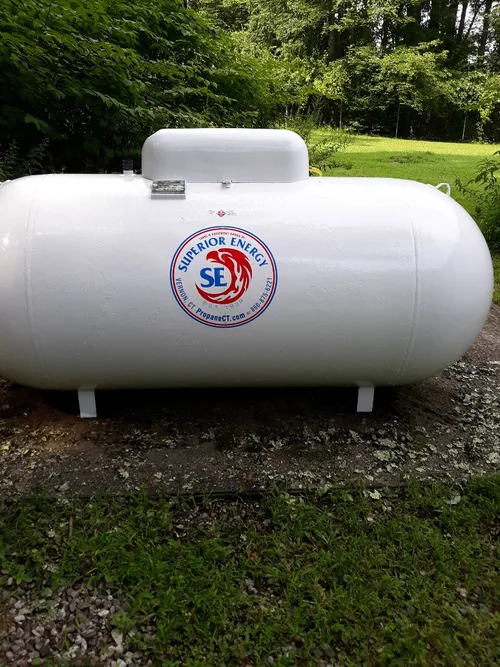
Choosing the right size propane tank for your standby generator can feel overwhelming. You want to ensure that your generator runs smoothly during unexpected power outages, but you might be unsure of where to start.
Imagine the peace of mind knowing that your home is powered reliably, no matter what happens. In this guide, you’ll discover the key factors that determine the perfect propane tank size for your needs. We’ll break down the details in a way that’s easy to understand and highlight why this decision is crucial for your comfort and safety.
Stick around to learn how to make the smartest choice for your home and keep your family secure and comfortable.
Choosing Propane Tank Sizes
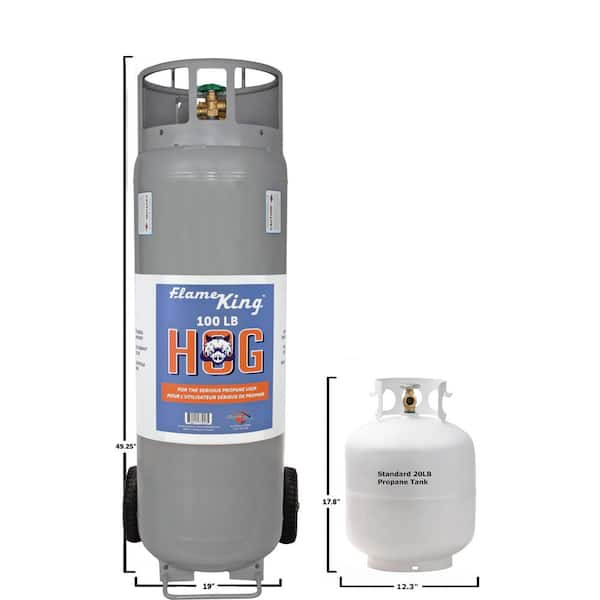
Propane tank sizes vary based on generator needs. Common sizes include 100, 250, and 500 gallons. Smaller tanks suit short power outages. Larger tanks serve longer outages or bigger homes.
| Tank Size (Gallons) | Approximate Generator Run Time (Hours) | Best For |
|---|---|---|
| 100 | 24-48 | Small homes, brief outages |
| 250 | 60-120 | Medium homes, moderate outages |
| 500 | 120-240 | Large homes, long outages |
Consider these factors before choosing a tank size:
- Generator power rating
- Expected outage duration
- Available installation space
- Local propane supply access
Tank size must match the generator’s fuel needs. Oversized tanks cost more and take space. Small tanks need frequent refills, causing inconvenience.
Credit: www.premium-electric.ca
Calculating Propane Needs
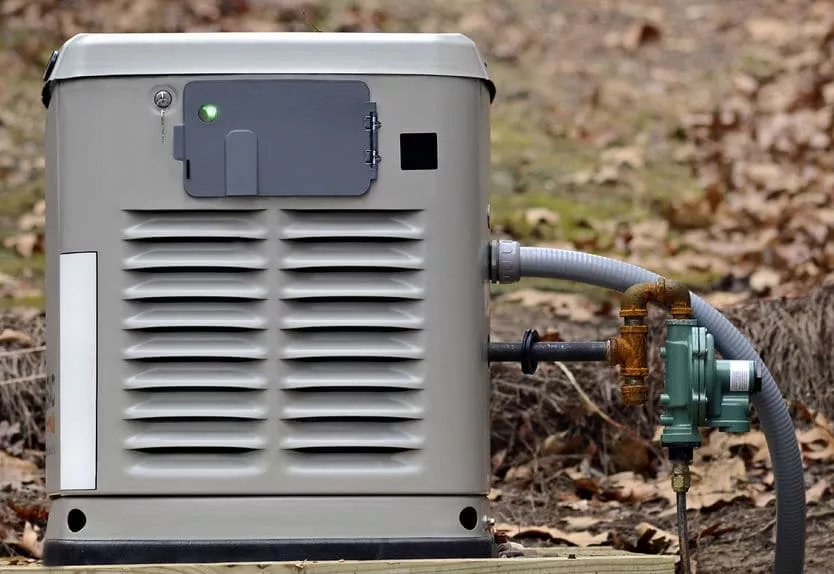
Estimate the fuel consumptionof your generator by checking its specs. Most standby generators use propane at a rate shown in gallons per hour (GPH) at half and full load. Knowing this helps pick the right propane tank size.
Think about the duration of power outagesin your area. Long outages need bigger tanks to keep the generator running. Short outages may only need small tanks or refills.
Consider your climate and usage patterns. Cold weather can increase fuel use because the generator runs more to keep warm. Also, if you run many appliances, fuel use rises.
| Factor | Impact on Propane Tank Size |
|---|---|
| Fuel Consumption Rate | Higher rate needs larger tank |
| Outage Duration | Longer outages require more propane |
| Climate | Cold weather increases fuel use |
| Usage Patterns | More appliances mean more fuel |
Tank Installation Essentials
Proper placementof the propane tank is key for safety and function. Keep the tank away from windows, doors, and vents. Place it on a flat, stable surface to avoid tipping. Ensure easy accessfor refilling and maintenance.
Follow local regulations and codesfor installation. These rules vary by area and cover distance from buildings, fences, and property lines. Check with local officials or propane suppliers to comply.
Professional installationis often safer and meets legal standards. Experts know how to connect tanks and generators properly. DIY installation can risk leaks or poor setup, leading to hazards.
- Certified installers handle permits and inspections.
- They ensure all parts are secure and leak-free.
- DIY may save money but could cause costly mistakes.
Credit: www.homedepot.com
Maintaining Propane Tanks
Check propane tanks often for rust, dents, and leaks. Look at valves and pipes carefully. Tighten any loose connections to avoid leaks. Use soapy water on joints to spot bubbles from leaks. Keep the area around the tank clear of debris and plants. Protect tanks from extreme weather by using covers or shelters.
Seasonal checks help keep tanks safe and working well. Drain water from tanks in cold months to stop freezing. Inspect the tank’s paint and repaint if needed to prevent rust. Test safety valves to make sure they open easily. Schedule professional inspections yearly for deep checks.
- Look for cracks or rust on the tank surface
- Check valves and connections for tightness
- Use soapy water to detect leaks
- Clear area around tank from debris
- Protect tank from harsh weather
- Drain water to avoid freezing in winter
- Repaint to prevent rust
- Test safety valves regularly
- Get professional inspections yearly
Cost Factors
Buying a propane tankmeans a higher upfront cost. Rentinglowers initial expenses but adds monthly fees. Choose based on how long you need it.
Installation costsvary by tank size and site. Bigger tanks may require more work and higher fees. Location and local rules also affect the price.
| Cost Type | Details |
|---|---|
| Tank Purchase | One-time payment, higher upfront cost |
| Tank Rental | Lower upfront, monthly rental fees |
| Installation | Depends on tank size and site conditions |
| Fuel Costs | Long-term expense, depends on usage and prices |
Fuel costsadd up over time. Bigger tanks hold more fuel, reducing refill frequency. Prices change, so plan for variable costs.
Upgrading And Sizing Tips
Upgrading your propane tankis wise when your generator runs out of fuel too fast. Small tanks can limit how long power lasts during an outage. A bigger tank holds more fuel, so your generator can run longer without refilling.
Balancing tank size and budgetmeans choosing a tank that meets your power needs but does not cost too much. Larger tanks cost more upfront but save money by needing fewer refills. Smaller tanks cost less but may refill often.
Future-proofingmeans picking a tank that can handle more power if you add appliances later. A slightly bigger tank now avoids buying a new one soon. Think about your home’s energy needs for years ahead.

Credit: www.lowes.com
Frequently Asked Questions
What Size Propane Tank Is Needed For A Standby Generator?
A 500-gallon propane tank is commonly recommended for most standby generators. This size provides enough fuel for extended power outages. Smaller tanks like 250 gallons may suffice for shorter durations or lower power needs.
How Long Does A Propane Tank Last On A Generator?
A 500-gallon propane tank can power a generator for about 24-48 hours. Usage depends on generator size and load. Efficient generators consume less fuel, extending run time.
Can A 250-gallon Tank Support A Standby Generator?
Yes, a 250-gallon propane tank can support smaller standby generators. It suits homes with lower power requirements or shorter backup periods. Larger homes may need bigger tanks.
Is A Larger Propane Tank Better For Standby Generators?
Larger tanks offer longer backup power without frequent refills. They are cost-effective during extended outages. However, they require more space and higher initial investment.
Conclusion
Choosing the right propane tank size keeps your generator running smoothly. A larger tank means longer power during outages. Smaller tanks fit tight spaces but need frequent refills. Think about how long you want backup power. Also, consider your generator’s fuel use rate.
Proper tank size helps avoid power loss. Keep safety and local rules in mind when installing. The right tank gives peace of mind in storms or blackouts. Plan well to stay powered when you need it most.