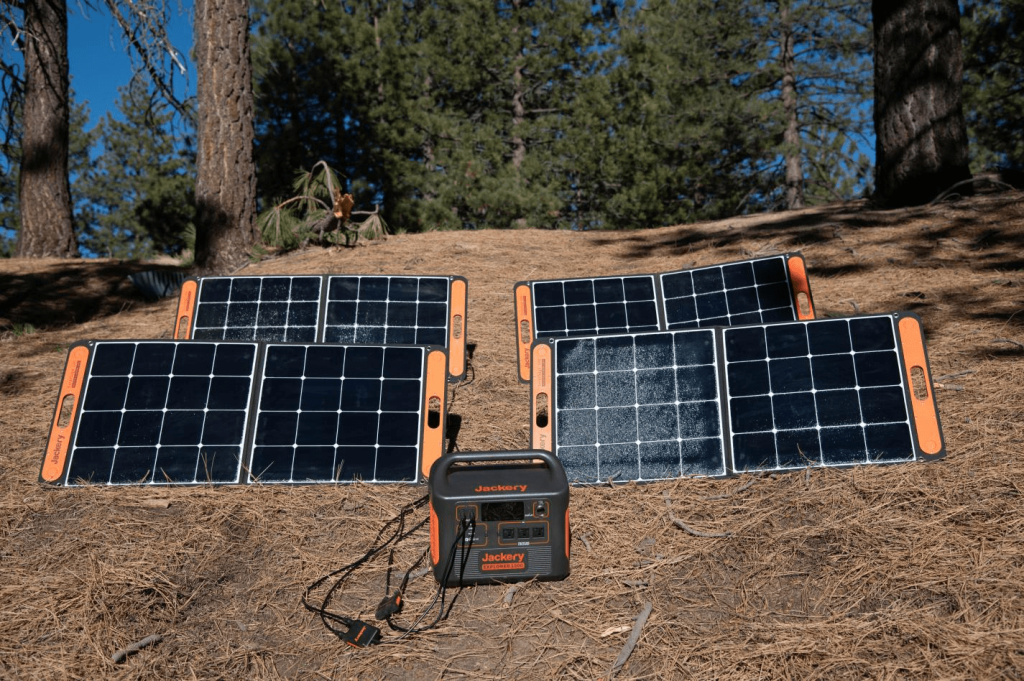
Planning a camping trip and considering a solar generator? You’re not alone.
Many campers are turning to solar generators for a convenient, eco-friendly power source in the great outdoors. But figuring out what size solar generator you need can feel overwhelming. With so many options out there, how do you choose the right one for your needs?
Imagine having the perfect generator that powers all your devices effortlessly while you enjoy the tranquility of nature. In this guide, we’ll break down everything you need to know to select the ideal solar generator for your camping adventure. Stay with us, and discover how to make your camping experience smoother and more enjoyable.
Assessing Power Needs
Start by listing the essential devicesto power during camping. Common items include:
- Phone chargers
- LED lights
- Portable fans
- Small coolers
- CPAP machines
- GPS devices
Check each device’s wattage on its label or manual. This value shows how much power it uses.
Calculate the total wattageby adding the wattage of all devices you want to run at once.
Next, estimate how many hours each device will run daily. This helps find the needed battery size.
| Device | Wattage (W) | Hours Used | Total Watt-Hours (Wh) |
|---|---|---|---|
| Phone charger | 10 | 4 | 40 |
| LED light | 5 | 6 | 30 |
| Portable fan | 20 | 3 | 60 |
| Total | 130 Wh |
Use the total watt-hours to choose a solar generator with enough capacity.
Solar Generator Capacity
Watt-hours (Wh)show how much energy a solar generator stores. The bigger the Wh, the longer it can power devices. For camping, think about how many devices you need to run and for how long. This helps pick the right size.
Battery sizeaffects runtime. A larger battery means longer use without recharging. Choose a battery that fits your trip length and device needs.
| Power Type | Description | Example Use |
|---|---|---|
| Peak Power | Maximum power the generator can handle briefly | Starting a fridge or power tool |
| Continuous Power | Power the generator can supply steadily | Running lights or charging phones |
Choosing The Right Solar Panels
Panel wattageshows how much power a solar panel can make. Higher wattage means more power for your camping needs. Efficiencytells how well the panel changes sunlight into electricity. Panels with better efficiency give more power in less space.
Portable panelsare easy to carry and set up. They are good for short trips or light use. Fixed panelsstay in one place and usually have higher power. They work well for longer stays or big power needs.
Charging speed depends on panel size and sunlight. Bigger panels charge batteries faster. Cloudy days slow down charging. Choose panels that match how fast you want to charge your devices.

Credit: udpwr.com
Matching Generator To Camping Style
Solo campingneeds a small, lightweight solar generator. A unit with 100-200 wattspower suits charging phones, lights, and small devices. Easy to carry and use.
Family and group campingrequires a larger generator. Aim for 500-1000 wattsto power multiple devices like coolers, fans, and lights. More power means better comfort.
Extended trips and remote locationsneed the biggest generators. Choose models with 1000+ wattscapacity and bigger batteries. This supports longer use and charging.
Additional Features To Consider
Port optionsare key for charging devices. Choose a solar generator with multiple ports. USB, AC, and DC ports cover many needs. Check if ports match your devices’ plugs.
Durabilitymatters for outdoor use. Pick a generator with weather resistance. Water and dust protection help in rain or dust storms. A rugged build lasts longer on rough trips.
Weight and portabilityaffect how easy it is to carry. Lighter models are better for hiking or backpacking. Look for compact designs that fit in your gear. Handles or wheels add convenience for moving around camp.

Credit: www.jackery.com
Budgeting For A Solar Generator
Cost vs Performancematters a lot when picking a solar generator. Cheaper models may have less power and shorter life. More expensive ones often offer better battery capacity and durability. Think about how much power you need and what fits your budget. Don’t buy too small or too big. It wastes money or leaves you without power.
Long-Term Savingscome from less need for fuel and fewer replacements. Solar generators save money over years. They do not need gas or oil. This makes them cheaper to run. Also, they are quiet and clean, good for nature and your health.
| Popular Brands | Model | Price Range | Battery Capacity (Wh) |
|---|---|---|---|
| Jackery | Explorer 500 | $500 – $600 | 518 |
| Goal Zero | Yeti 400 | $400 – $500 | 428 |
| EcoFlow | River 600 | $600 – $700 | 576 |
Maintaining Your Solar Generator
Storeyour solar generator in a cool, dry place. Avoid direct sunlight and moisture to protect its battery and parts. Keep it away from dust and dirt to ensure long-lasting use.
- Check the battery charge every few months.
- Clean the solar panels gently with a soft cloth.
- Inspect cables and connections for any damage.
Common issuesinclude low power output and charging problems. Try resetting the device or cleaning the connectors first. If the problem continues, consult the user manual or support service for help.

Credit: iallpowers.com
Frequently Asked Questions
What Size Solar Generator Powers Essential Camping Devices?
A 300-500 watt solar generator usually powers essential camping devices. It can run lights, phones, and small appliances efficiently. Choose based on your device wattage and daily usage.
How To Calculate Solar Generator Capacity For Camping?
Calculate total watt-hours of all devices you plan to use. Multiply by hours of usage to find daily energy needs. Select a generator with a battery capacity slightly higher than this value.
Can A 1000wh Solar Generator Support Overnight Camping?
Yes, a 1000Wh generator can support overnight camping for basic devices. It powers lights, fans, and phones for 8-12 hours. Larger or multiple devices may require higher capacity.
Should I Consider Solar Panel Size With My Generator?
Yes, solar panel size impacts charging speed. Larger panels recharge your generator faster, essential for extended camping trips. Match panel wattage with generator input capacity for best results.
Conclusion
Choosing the right solar generator size makes camping easier and more fun. Think about your devices and how long you need power. Small generators work for phones and lights. Bigger ones can run fridges and more gear. Don’t forget to check the battery and solar panel size.
Planning well saves you from running out of power. Enjoy nature without worry. Solar power keeps your trip green and quiet. Keep it simple. Choose what fits your needs best. Your perfect solar generator is out there.