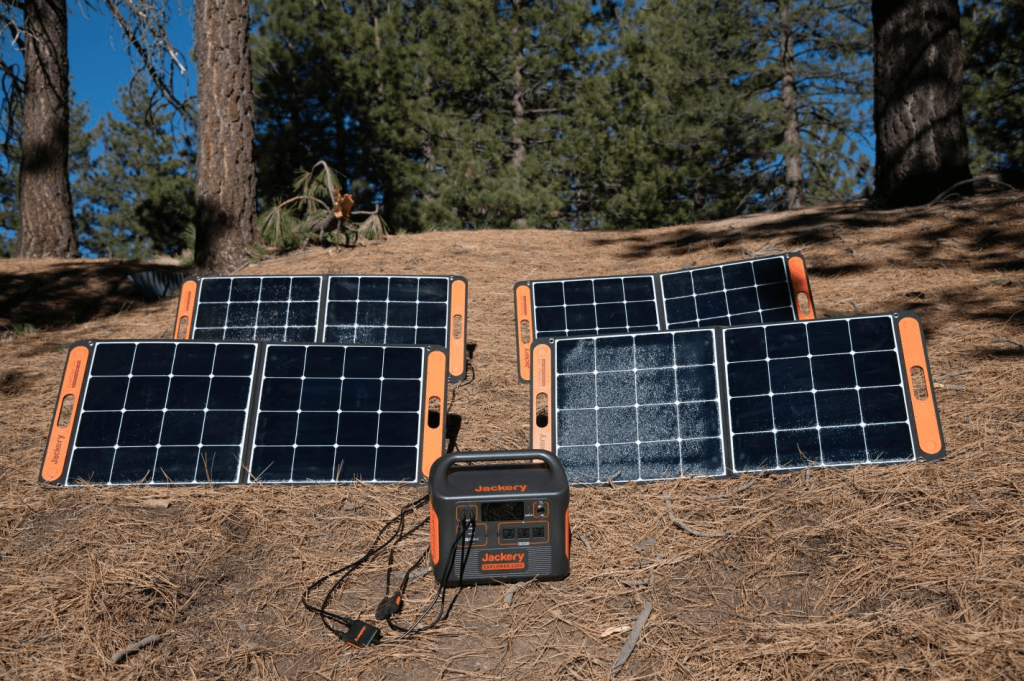
Are you wondering what size solar generator you need for your house? Choosing the right size isn’t just about power—it’s about making sure your home stays comfortable and secure, no matter what.
Imagine never worrying about blackouts or high energy bills again. But how do you find the perfect fit for your unique needs? Keep reading, and you’ll discover simple steps to figure out exactly what size solar generator will keep your lights on and your appliances running smoothly.
This guide is designed just for you, making a complex choice easy and clear.
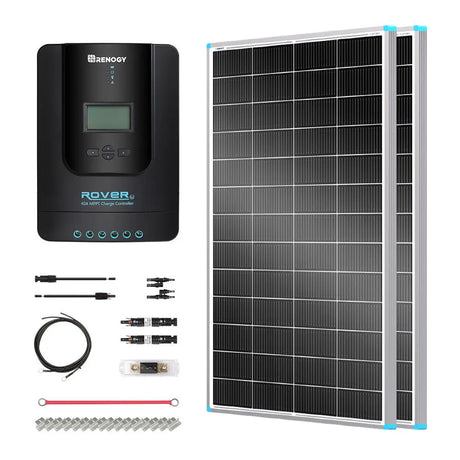
Credit: www.renogy.com
Assessing Your Power Needs
Start by listing all appliancesyou use daily. Check labels for wattageor power use. Write down how many hours each runs per day.
Multiply wattage by hours to get daily energy usefor each item. Add all numbers for total daily consumption in watt-hours (Wh).
- Lights
- Refrigerator
- Fans or AC
- TV and computer
- Charging devices
Identify essential appliancesyou must power during an outage. This helps reduce the generator size needed.
| Appliance | Starting Power (Watts) | Running Power (Watts) |
|---|---|---|
| Refrigerator | 1200 | 200 |
| Air Conditioner | 2200 | 1500 |
| Microwave | 1000 | 1000 |
Note peak power demands. Some devices need more power to start. Choose a generator that can handle these surges.
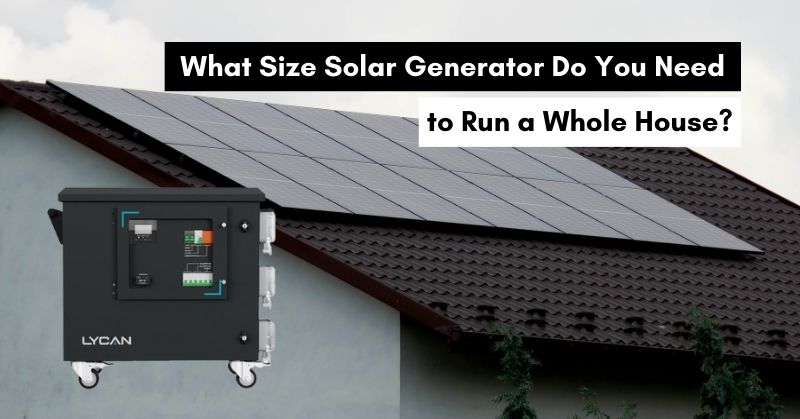
Credit: www.renogy.com
Types Of Solar Generators
Portable solar generatorsare small and easy to carry. They work well for camping or small power needs. They have smaller batteries and lower power output.
Stationary solar generatorsare larger and stay in one place. They power whole homes or bigger appliances. These units usually have bigger batteries and higher output.
| Battery Technology | Description | Advantages |
|---|---|---|
| Lead-Acid | Older and heavier type | Low cost, but less life |
| Lithium-Ion | Modern and lighter | Longer life, more efficient |
| Lithium Iron Phosphate | Safe and stable chemistry | Long cycle life, safe to use |
Inverter capacity shows how much power a generator can give at once. A higher inverter ratingmeans it can run bigger machines. Choose an inverter size based on your power needs.
Sizing Your Solar Generator
To size a solar generator, first know your daily energy usein kilowatt-hours (kWh). Check your electric bills for this number.
Match the generator’s capacity to your total wattage needs. Add up the watts of devices you want to run at the same time. This ensures the generator can handle the load.
Solar panel output depends on sunlight hoursand panel size. More sunlight means more energy. Panels rated for higher watts produce more power.
Battery storage must hold enough energy for nighttime useor cloudy days. Calculate how many hours of backup you want. Bigger batteries mean longer power supply but cost more.
| Factor | What to Consider |
|---|---|
| Energy Needs | Sum of daily kWh from your home |
| Generator Capacity | Peak wattage of devices running together |
| Solar Panel Output | Sunlight hours × panel watt rating |
| Battery Storage | Hours of backup power required |

Credit: vtoman.com
Factors Affecting Generator Performance
Sunlight availabilitygreatly affects solar generator output. Clouds, rain, and shorter days reduce energy production. South-facing panels get more sun in the Northern Hemisphere. Weather changes cause ups and downs in power supply.
Energy efficiencyof your home appliances influences generator size. Using LED bulbs, energy-saving refrigerators, and efficient fans lowers power needs. Less power use means a smaller, cheaper generator can work well.
System losses happen during energy conversion and storage. Wires, inverters, and batteries waste some power. Adding a safety marginof 20-30% helps cover these losses and unexpected demands. This keeps your home powered reliably.
Installation And Maintenance
Place solar generatorsin a dry, shaded area. Avoid direct sunlight to keep them cool. Ensure good airflow around the unit for better performance. Keep it close to your main power source for easy connection. Use a flat and stable surface to prevent tipping or damage.
Regular maintenance keeps your generator running well. Check battery levels and connections often. Clean dust and debris from vents and fans. Replace filters if your model has them. Test the generator monthly by running it for a short time.
- Check for loose cables or corrosion
- Listen for unusual noises
- Look for error lights or codes on the display
- Reset the system if it stops unexpectedly
- Contact support if problems persist
Cost And Budget Considerations
The initial investmentfor a solar generator varies by size and brand. Larger units cost more but provide more power. Small generators may be cheaper but might not cover all your home needs.
Consider long-term savings. Solar generators reduce electricity bills over time. Savings depend on how much power you use and local electricity rates. It takes several years to recover the initial cost.
| Type | Description | Impact on Cost |
|---|---|---|
| Federal Incentives | Tax credits for solar energy systems | Reduces upfront cost by 10-30% |
| State Rebates | Cash back or discounts from state programs | Varies by state, lowers purchase price |
| Utility Programs | Discounts or credits from power companies | Can decrease installation or equipment costs |
Incentives and rebateshelp lower the total price. Check your local rules for the best offers. These can make solar generators more affordable.
Future-proofing Your System
Scalabilityallows adding more solar panels or batteries later. This helps the system grow with your needs. Planning for extra space and capacity saves money and effort later.
Using grid power integrationkeeps your home powered when solar energy is low. It also lets you sell extra power back to the grid in some areas. This makes your system more flexible and reliable.
Upgrading batteries and panelscan boost your system’s power and storage. Newer parts often last longer and work better. Choose models that fit your current setup to avoid big changes.
Frequently Asked Questions
What Factors Determine The Size Of A Solar Generator?
The size depends on your energy needs, appliance wattage, and backup duration. Calculate total daily watt-hours to choose the right capacity.
How To Calculate My Home’s Daily Energy Consumption?
Add up the wattage of all devices and multiply by their usage hours. This gives your daily watt-hour consumption for sizing the generator.
Can A Small Solar Generator Power A Whole House?
Small generators suit essential devices, not whole homes. For full home backup, larger capacity units or multiple generators are needed.
How Long Can A Solar Generator Power My House?
Runtime depends on generator capacity and power usage. Higher capacity and lower consumption extend backup time.
Conclusion
Choosing the right solar generator is crucial for your home’s needs. Consider your energy requirements and budget. Smaller generators work for basic needs. Larger ones handle more appliances. Check battery capacity and power output. Evaluate the generator’s efficiency and lifespan.
Research different brands for reliability. Consult professionals if uncertain about your choice. Investing in the right size ensures continuous energy supply. Save on electricity bills while being eco-friendly. Always prioritize a generator that fits your lifestyle. This thoughtful decision keeps your home powered and sustainable.