
Are you wondering what size solar generator you really need? Choosing the right one can feel confusing, but it doesn’t have to be.
Your solar generator should match your power needs perfectly—too small, and it won’t keep your devices running; too big, and you might waste money on extra capacity you don’t use. This guide will help you figure out the ideal size for your lifestyle and gadgets.
Keep reading, and you’ll soon know exactly how to pick a solar generator that works for you—no guesswork, no surprises.

Credit: udpwr.com
Assessing Your Power Needs
Calculate your daily energy useby listing all devices. Note their power rating in watts and how long you use them each day. Multiply watts by hours for each device, then add all totals.
Make a list of essential devices. These include lights, phones, and medical equipment. Focus on devices you must keep running during an outage or off-grid time.
Consider peak power demands. Some devices need more power when starting up. Examples are refrigerators and pumps. Check the startup wattage to size your generator correctly.
Types Of Solar Generators
Portable solar generatorsare small and easy to carry. They suit camping, outdoor trips, or small devices. These generators have limited power but are lightweight and quiet.
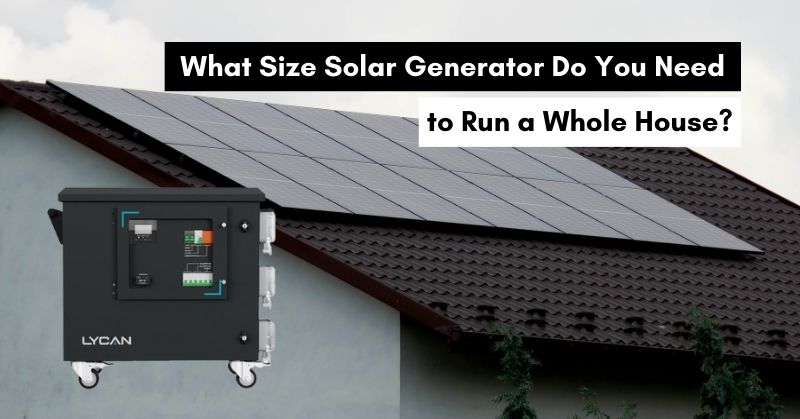
Home backup solar generatorsprovide power during outages. They can run essential home devices like refrigerators and lights. These are larger and store more energy for longer use.
Hybrid solar generatorscombine solar power with other energy sources like gas or the grid. They offer reliable power anytime. Perfect for places with less sun or higher energy needs.
Battery Capacity And Runtime
Watt-hours (Wh)measure the energy a battery stores. It tells how long a solar generator can run your devices. To find watt-hours, multiply the battery’s voltage by its amp-hour (Ah) rating. For example, a 12V battery with 100Ah has 1200Wh.
Matching battery size to usage means knowing your devices’ energy needs. Add up the watt-hours of all devices you want to power. Then choose a battery with more watt-hours than this total. This ensures your generator lasts long enough.
Several factors affect runtime:
- Device power use:Higher watts drain battery faster.
- Battery efficiency:Some energy is lost during use.
- Temperature:Cold weather can reduce battery capacity.
- Age of battery:Older batteries hold less charge.
Solar Panel Output And Charging
Solar panel wattageshows how much power it can make. Higher wattage means faster charging. Efficiency means how well a panel changes sunlight to power. Panels with better efficiency charge quicker in less sun.
Charging timedepends on battery size and panel power. Big batteries take longer to charge. Small panels take more time. Good to know how many hours sun shines to plan charging well.
| Factor | Effect on Charging |
|---|---|
| Panel Wattage | Higher wattage = faster charging |
| Panel Efficiency | Better efficiency = more power from sunlight |
| Battery Size | Bigger battery needs more charging time |
| Sunlight Hours | More sun hours = quicker charge |
| Weather | Cloudy days slow down charging |
| Location | Sunny places charge faster |
Weatherchanges solar power. Clouds or rain reduce power. Locationmatters. Sunny areas get more sun hours. Cold or hot weather can also affect efficiency. Plan your solar system to fit your weather and place.
Inverter Size And Power Output
Continuous poweris the energy a solar generator can supply constantly. Peak poweris the short burst of extra power needed to start devices.
Choosing an inverter with the right rating is key. It must handle the highest peak powerof your devices. Also, the inverter should run at or above the total continuous poweryou need.
- Check the power needsof all devices you want to run.
- Note the starting surgeof devices like refrigerators or pumps.
- Pick an inverter with a peak power ratinghigher than the surge.
- Make sure the inverter’s continuous power ratingmatches your total usage.
Portability And Weight
Choosing a solar generator means thinking about how easy it is to carry. Portability matters for camping, trips, or emergency use. A heavy generator can be hard to move around. Smaller models weigh less but may offer less power.
Balance is key. Find a size that fits your power needswithout being too bulky. Consider:
- Weight – Can you carry it comfortably?
- Size – Will it fit in your vehicle or backpack?
- Power output – Enough for your devices?
- Battery capacity – How long will it last?
Think about how often you’ll move the generator. For regular travel, light and compactis best. For home backup, size and weight might be less important.
Budgeting For Solar Generators
Cost and performanceoften affect your choice of solar generator. Cheaper models may have lower power outputand shorter battery life. Spending more usually means better qualityand longer use. Think about what you need to power. Small devices need less power, so a lower-cost generator might be enough. Bigger appliances need more power and a larger budget.
Long-term savingscome from using solar energy instead of fuel or electricity. Solar generators cut down on fuel costs and are environmentally friendly. Over time, the money saved on fuel or electric bills can pay backthe initial cost. Look for models with good warrantyand low maintenance. These last longer and save more money.
| Factor | Impact |
|---|---|
| Initial Cost | Higher cost often means better performance |
| Battery Life | Longer life means fewer replacements |
| Power Output | Must meet your device needs |
| Maintenance | Low maintenance saves money |
| Warranty | Good warranty protects your investment |
Common Mistakes To Avoid
Overestimating power needscan lead to buying a solar generator that is too big and costly. It’s best to calculate the exact power your devices use. This saves money and space.
Ignoring expansion optionslimits your system’s future growth. Choose a solar generator that allows adding more panels or batteries later. This keeps your setup flexible and ready for more power.
Neglecting maintenancereduces the lifespan of your solar generator. Regular cleaning and checking connections keep it working well. Skipping maintenance can cause failures and extra costs.
Tips For Maximizing Efficiency
Place solar panels where they get the most sun. South-facing roofs are best in many places. Avoid shadows from trees or buildings. Tilt panels to match your roof or adjust seasonally for more power.
- Turn off lights and devices not in use.
- Use energy-saving bulbs and appliances.
- Charge devices during the day to save battery.
Check your system often. Look for dirt or damage on panels. Clean panels gently to keep them working well. Test your generator to ensure it holds charge. Fix small issues before they get big.
Credit: www.renogy.com
Credit: vecharged.com
Frequently Asked Questions
What Factors Determine Solar Generator Size?
The size of your solar generator depends on power needs, storage capacity, and device compatibility. Assess your daily energy consumption and peak power requirements. Consider the types of devices you plan to power and their wattage. This will help you choose a generator that meets your needs efficiently and effectively.
How Do I Calculate My Power Needs?
To calculate power needs, list all devices you plan to use. Determine each device’s wattage and estimate usage hours. Multiply wattage by hours to get total watt-hours. Sum all devices’ watt-hours for daily consumption. This gives a clear idea of the generator capacity required to sustain your energy needs.
Can A Solar Generator Power My Home?
A solar generator can power essential home devices but may not suffice for the entire house. It depends on the generator’s capacity and your home’s energy demands. Larger systems can support more devices, but for full home power, a comprehensive solar panel system with battery storage is recommended.
Are Larger Solar Generators More Efficient?
Larger solar generators can store and supply more power, but efficiency also depends on solar panel quality. A well-matched system with efficient panels can maximize energy collection and storage. Choose a generator that aligns with your energy needs rather than just size alone for optimal efficiency.
Conclusion
Choosing the right solar generator size depends on your power needs. Think about what devices you want to run and for how long. Small generators work well for phones and lights. Bigger ones handle refrigerators and power tools. Don’t forget to check battery life and charging speed.
A good fit saves money and avoids running out of power. Take time to compare options and plan ahead. This way, you get reliable energy where and when you need it. Simple steps lead to smart choices.