
Are you wondering what size solar generator you need for your oxygen concentrator? You’re not alone.
Many people, just like you, are looking for reliable and efficient power solutions to keep their essential medical devices running smoothly. Choosing the right solar generator is crucial, especially if you’re aiming for independence from traditional power sources or preparing for unexpected outages.
You’ll discover the perfect match for your oxygen concentrator needs, ensuring peace of mind and continuous support. Stick around to find out how to make a smart, informed choice that fits your lifestyle and keeps your health a top priority.
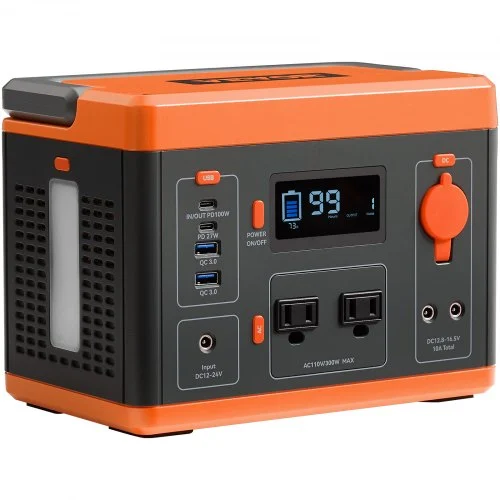
Credit: www.vevor.ca
Oxygen Concentrator Power Needs
Oxygen concentrators usually use between 100 and 350 wattswhile running. The power needed to start the device, called startup power, can be higher. This is important to know when choosing a solar generator.
Startup power can be 2 to 3 timesthe running power. For example, a concentrator running at 200 watts may need up to 600 watts to start. The solar generator must handle this surge.
Battery backup is crucial for continuous oxygen supply. It should store enough power to run the concentrator for several hoursduring power outages or night time. A battery with 500 watt-hours or moreis often recommended.
| Power Type | Wattage Range |
|---|---|
| Running Power | 100 – 350 watts |
| Startup Power | 2 to 3 times running power |
| Battery Backup | 500 watt-hours or more |
Solar Generator Basics
A solar generator uses sunlight to create electricity. It has three key parts: solar panels, a battery, and an inverter. Solar panels collect sunlight and turn it into power. The battery stores this power for later use. The inverter changes stored power into electricity that home devices can use.
The capacityof a solar generator is how much energy it can store. This is shown in watt-hours (Wh). The output ratingtells how much power it can give at once, shown in watts (W). Both help decide if the generator can run an oxygen concentrator.
| Type of Solar Generator | Description | Best For |
|---|---|---|
| Portable | Small size, easy to carry | Short trips, low power needs |
| Home Backup | Larger battery, higher output | Power outages, medical devices |
| Hybrid | Combines solar and other energy | Long-term use, steady power |
Calculating Solar Generator Size
Estimate the daily energy consumptionof the oxygen concentrator. Check the device label or manual for wattage. Multiply the wattage by hours used per day. This gives the total energy needed in watt-hours (Wh).
Consider the peak sun hoursavailable in your location. Peak sun hours affect how much solar power your generator can collect. More sun hours mean smaller solar panels and batteries.
Add a safety marginof 20-30% to cover energy loss and unexpected use. This ensures the generator can run the concentrator even on cloudy days or longer use.
| Step | What to Do | Example |
|---|---|---|
| Estimate Energy | Device wattage × hours of use | 100W × 8 hours = 800 Wh |
| Account for Sun Hours | Divide energy by peak sun hours | 800 Wh ÷ 5 hours = 160 W panel |
| Add Safety Margin | Increase by 20-30% | 160 W × 1.3 = 208 W panel size |

Credit: www.goodhousekeeping.com
Battery Capacity And Runtime
Battery capacity affects how long a solar generator can power an oxygen concentrator. Choose a generator with enough capacity to match the device’s runtime needs. Longer runtimes need larger batteries for steady oxygen supply.
Amp Hours And Watt Hours Explained
Amp hours (Ah)measure how much charge a battery holds. It shows how long a battery can provide a certain current. Watt hours (Wh)tell how much energy a battery stores. It is the product of voltage and amp hours (Wh = V × Ah). Watt hours are more useful for comparing batteries with different voltages.
Runtime Expectations
Runtime depends on the oxygen concentrator’s power use and battery capacity. For example, a 100-watt concentrator with a 500 Wh battery runs about 5 hours (500 ÷ 100 = 5). Always choose a battery with higher watt hours for longer use. Keep in mind, actual runtime may be less due to power losses.
Battery Types And Lifespan
- Lithium-ion batterieslast longer and are lighter.
- Lead-acid batteriesare cheaper but heavier and have shorter life.
- Check battery cycle life; it shows how many times the battery can charge fully.
- Good batteries keep stable voltage during use for consistent performance.
Solar Panel Requirements
Choosing the right panel wattageis key for powering an oxygen concentrator. Most concentrators need between 100 to 300 watts. Pick panels that match or exceed this to ensure steady power.
The number of panelsdepends on total wattage needed. For example, if one panel is 100 watts, and your device uses 300 watts, use at least three panels. More panels give backup on cloudy days.
Charging efficiency varies due to weather, panel angle, and shading. Panels produce less power if dirty or in shade. Keep panels clean and tilted toward the sun for best results.
Inverter And Output Compatibility
Pure sine wave invertersprovide clean and stable power. This is essential for oxygen concentrators to work safely and efficiently. These inverters match the power quality of the grid, preventing device damage.
Output voltageshould usually be around 120V or 230V, depending on your region. The frequency must be 50Hz or 60Hz, matching the concentrator’s needs. Wrong voltage or frequency can cause the machine to fail.
- Choose an inverter that supports multiple devices if needed.
- Check the total wattage to avoid overload.
- Some solar generators can run several devices at once.
- This helps when using oxygen concentrators with other essential equipment.
Portable Vs Stationary Solutions
Portable solar generatorsoffer easy movement and quick setup. They are light and fit in small spaces. Ideal for travel or outdoor use. They provide power during outages or emergencies. You can recharge them with solar panels anywhere. Portability means freedomto use your oxygen concentrator outside your home.
Fixed installationsystems stay in one place. They usually have larger batteries and solar panels. Provide steady, reliable power all day and night. Good for long-term use at home. Require professional setup and more space. Less flexible but more powerful.
| Aspect | Portable | Stationary |
|---|---|---|
| Mobility | Easy to carry | Fixed location |
| Power Capacity | Lower capacity | Higher capacity |
| Setup | Simple, quick | Complex, professional |
| Cost | Usually less expensive | Higher initial cost |
| Maintenance | Easy to maintain | Requires regular checks |
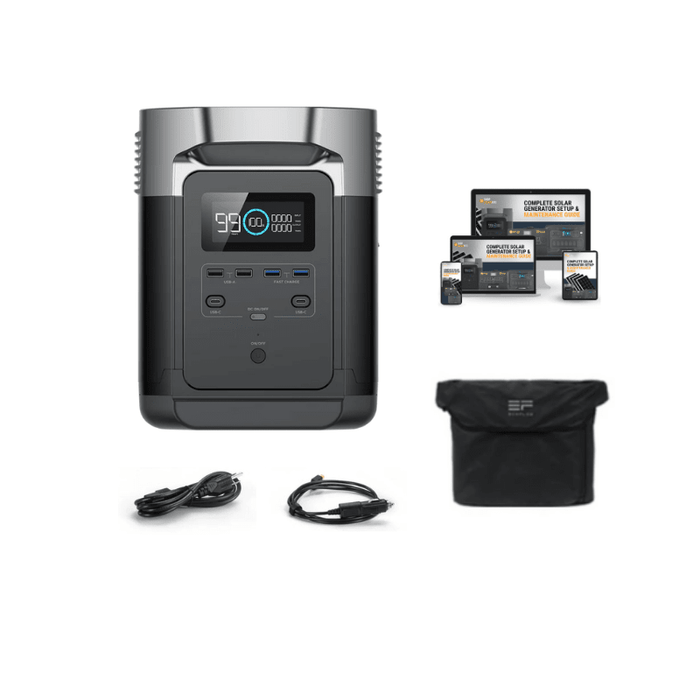
Credit: www.shopsolarkits.ca
Real-world Examples
Solar generators for oxygen concentrators need enough powerto run smoothly. Typical oxygen concentrators use about 300 to 600 watts. A solar generator with 500 to 1000 watt-hourscapacity works well for daily use. Battery size is important for backup powerduring cloudy days or night.
| Configuration | Solar Panel Size | Battery Capacity | Output Power |
|---|---|---|---|
| Small Setup | 100W | 500Wh | 600W |
| Medium Setup | 200W | 1000Wh | 800W |
| Large Setup | 300W+ | 1500Wh+ | 1000W+ |
Users report that solar generators keep oxygen concentrators running for hours. Some needed extra batteries for longer power. One user said shading cut power output a lot. Another suggested placing panels in direct sunlight for best results.
- Check battery charge before use.
- Keep solar panels clean.
- Use power-saving settings on concentrator.
- Have a backup power source if possible.
- Monitor power output during cloudy days.
Additional Considerations
Weather and climateaffect solar power output a lot. Cloudy or rainy days reduce energy from solar panels. Cold weather can help batteries work better, but very hot weather may lower their life span. Consider your local climate when choosing a solar generator size.
Follow all regulations and safety rulesabout solar generators and oxygen concentrators. Check local laws about battery storage and electrical setups. Use certified equipment to avoid risks. Safety is very important for medical devices.
Think about future expansion. You might add more devices or need more power later. Choose a solar generator that can grow with your needs. Extra battery capacity or more solar panels can help in the future.
Frequently Asked Questions
What Size Solar Generator Powers An Oxygen Concentrator?
A solar generator with 500-1000Wh capacity suits most oxygen concentrators. It ensures continuous power for 6-8 hours depending on usage. Check your device’s wattage and runtime to choose the exact size.
How Many Watts Does An Oxygen Concentrator Consume?
Oxygen concentrators typically consume 90-300 watts per hour. Portable models use less, around 90-150 watts. Always verify your device’s power needs before selecting a solar generator.
Can A Solar Generator Run An Oxygen Concentrator Overnight?
Yes, with a large battery capacity (1000Wh+), a solar generator can run an oxygen concentrator overnight. Proper solar panel input and battery management are essential for uninterrupted power.
How Long Can A Solar Generator Power An Oxygen Concentrator?
A 1000Wh solar generator can power an oxygen concentrator for 6-10 hours. Actual runtime depends on the concentrator’s wattage and battery efficiency. Monitor usage for accurate estimates.
Conclusion
Choosing the right solar generator size keeps your oxygen concentrator running smoothly. Check the power needs of your device first. Pick a generator that can handle this load without strain. Don’t forget to consider extra battery capacity for cloudy days.
A properly sized generator offers reliable power anytime. This helps maintain your health and peace of mind. Simple steps make a big difference in your energy setup. Trust in a solar generator that fits your needs well.