
Are you wondering what size solar generator you need to keep your refrigerator running smoothly? Choosing the right solar generator is crucial to ensure your food stays fresh and your power never runs out.
You’ll discover exactly how to match your refrigerator’s energy needs with the perfect solar generator size. By the end, you’ll feel confident making a smart, cost-effective choice that fits your lifestyle and keeps your fridge humming without interruptions. Keep reading to find the simple steps that make all the difference.

Credit: growattportable.com
Solar Generator Basics
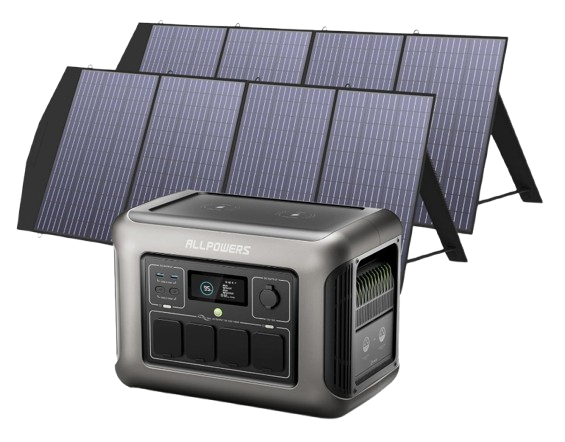
Solar generatorsconvert sunlight into electricity using solar panels. They store energy in a battery for later use. This allows running appliances like refrigerators without grid power. A solar generator has three main parts: solar panels, a battery, and an inverter.
Solar panels capture sunlight and change it into direct current (DC) electricity. The battery stores this energy until needed. The inverter changes DC into alternating current (AC), which most appliances use.
- Portable solar generatorsare small, easy to move, and good for camping or backup power.
- Home solar generatorsare bigger and power more appliances for longer times.
- Hybrid solar generatorscombine solar power with other energy sources like gas or wind.
Power Needs Of Refrigerators
Refrigerators use power in two ways: running wattsand starting watts. Running watts keep the fridge cold during normal use. Starting watts are higher and needed to start the compressor motor.
Most refrigerators use 100 to 800 wattswhile running. Starting watts can be 2 to 3 timesthe running watts. This means a fridge using 200 watts running might need 600 watts at start.
| Type | Power (Watts) |
|---|---|
| Running Watts (average) | 100 – 800 |
| Starting Watts (peak) | 200 – 2400 |
- Small fridges use less power.
- Larger fridges need more power to start.
- Check your fridge label for exact watts.
Calculating Generator Size
To find the right solar generator sizefor a refrigerator, start by estimating daily energy use. Check the fridge’s energy label or manual to find its watt-hours per day. Most fridges use between 300 to 800 watt-hoursdaily.
Next, consider the fridge’s peak power demand. This is the starting wattagewhen the compressor runs. It can be 2 to 3 times higherthan running watts. For example, a fridge that uses 150 watts running might need 450 watts at start.
| Factor | Typical Range |
|---|---|
| Daily Energy Use | 300 – 800 Wh |
| Running Power | 100 – 250 W |
| Starting Power (Peak) | 300 – 750 W |
Choose a solar generator that can supply both the daily energyand peak powerneeds. This ensures the fridge runs smoothly without power drops.
Battery Capacity And Runtime
Battery typesfor solar generators include lead-acid, lithium-ion, and AGM. Lithium-ion batteriesare lighter and last longer. Lead-acid batteries are heavier and cheaper but have shorter life. AGM batteries are a middle ground, offering good performance with moderate cost.
Battery sizedirectly affects how long a refrigerator can run. Bigger batteries store more energy, so they power devices longer. For example, a 100Ah battery will run a small fridge longer than a 50Ah battery.
| Battery Capacity (Ah) | Approximate Runtime for 50W Fridge (hours) |
|---|---|
| 50 Ah | 5-6 hours |
| 100 Ah | 10-12 hours |
| 200 Ah | 20-24 hours |
Choosing the right battery size depends on fridge power and desired runtime. Always consider the battery type for efficiency and weight.
Solar Panel Requirements
Solar panels must fit the generator sizeto power a refrigerator. The generator’s wattage shows how much energy it can store and output.
Choose panels that provide enough power to keep the generator charged. For example, a 500-watt generator usually needs around a 100 to 200-watt solar panel.
| Generator Size (Watts) | Recommended Solar Panel (Watts) |
|---|---|
| 300 | 60 – 120 |
| 500 | 100 – 200 |
| 1000 | 200 – 400 |
Sunlight hours affect charging speed. More sunlight means faster charging.
- 5-6 hours of sunlight: good for most panels
- Less than 4 hours: need bigger panels
- Cloudy days: charging slows down
Credit: generatorpeak.com
Portable Vs Stationary Options
Portable solar generatorsare lightweight and easy to move. They are good for short tripsor places without power. You can carry them to camp or picnics. But, they have lower powerand smaller batteries. They may not run a big refrigerator long.
Stationary solar generatorsare larger and stay in one place. They have more powerand larger batteries. They can run a refrigerator for days. But, they are heavy and hard to move. They need a fixed place with enough sunlight.
| Type | Pros | Cons | Best Use Cases |
|---|---|---|---|
| Portable | Lightweight, easy to carry | Lower power, small battery | Camping, short trips, emergencies |
| Stationary | High power, large battery | Heavy, fixed location | Home backup, long power outages |
Top Solar Generators For Refrigerators
High capacity solar generatorscan power refrigerators for longer periods. These models often have large battery storageand high watt output. They are ideal for bigger fridges or longer use without sun. These generators usually have 1000 watts or more. They can also run other devices alongside the fridge.
- Large battery sizemeans more power stored.
- Strong invertersupports fridge startup power.
- Multiple outletsfor other appliances.
- Portable but heavydue to big batteries.
Budget-friendly solar generators work well for small fridges. They have lower watt outputand smaller batteries. These are good for short trips or small refrigerators. They are lighter and easier to carry.
| Feature | High Capacity Models | Budget-Friendly Choices |
|---|---|---|
| Battery Size | Large (1000Wh+) | Small to Medium (300-500Wh) |
| Watt Output | 1000W or higher | 300W to 500W |
| Weight | Heavier | Lighter |
| Use | Longer, larger fridges | Short trips, small fridges |

Credit: www.renogy.com
Installation Tips
Place solar panels where they get direct sunlightmost of the day. Avoid shadows from trees or buildings. Panels should face southin the northern hemisphere for best sun exposure. Tilt panels at an angle close to your latitudeto catch more sun.
Keep solar panels clean. Dust and dirt can reduce poweroutput. Check panels regularly and wipe them with a damp cloth if needed. Loose wires or damaged parts should be fixed quickly to avoid energy loss.
- Inspect connections monthly.
- Remove debris from panels.
- Check battery charge levels often.
- Test generator function regularly.
Common Challenges
Power fluctuationscan cause the refrigerator to stop or work inefficiently. These ups and downs in power may damage the compressor over time. Using a solar generator with stable outputhelps protect the fridge and keeps it running smoothly.
Battery lifeis crucial for long-term use. Overcharging or deep discharging can shorten battery life. To extend battery life:
- Keep the battery charged between 20% and 80%
- Avoid full discharges whenever possible
- Use a solar generator with built-in battery management
Good care of the battery means the solar generator will last longer and work better.
Frequently Asked Questions
What Size Solar Generator Powers A Standard Refrigerator?
A standard refrigerator needs a solar generator with at least 500-700 watts capacity. This ensures continuous operation and handles startup surges efficiently.
How Many Watt-hours Are Needed For A Refrigerator Daily?
Most refrigerators consume about 1000-1500 watt-hours per day. Choose a solar generator with enough battery storage to cover this daily energy usage.
Can A 1000 Watt Solar Generator Run A Fridge?
Yes, a 1000 watt solar generator can run most fridges. It provides enough power for startup and continuous running without overload.
How Long Can A Solar Generator Power A Refrigerator?
A solar generator can power a fridge for 8-12 hours on a full charge. Battery capacity and fridge energy use affect this duration.
Conclusion
Choosing the right solar generator size is crucial for your refrigerator. It ensures efficient energy use and saves costs. Consider your fridge’s power needs before purchasing. A solar generator with enough wattage keeps your food safe. Remember to check battery capacity for longer run times.
Portability might be important for outdoor use. Always compare different models and read user reviews. With the right choice, you enjoy reliable power for your fridge. This decision supports both convenience and sustainability. Make an informed choice to enhance your energy independence.