Are you considering harnessing the power of the sun to keep your home running smoothly? Choosing the right size solar generator can seem like a daunting task, but don’t worry—you’re not alone.
Many homeowners face the same challenge when deciding how to power their homes sustainably and efficiently. Imagine the peace of mind that comes with knowing your home can operate smoothly, even during power outages, while also reducing your carbon footprint.
In this guide, you’ll discover the key factors to consider when selecting a solar generator that perfectly fits your home’s energy needs. By the end, you’ll feel confident and empowered to make an informed decision. Let’s dive in and explore how you can make the sun work for you!
Solar Generator Basics
A solar generatorstores energy from the sun to power your home. It uses solar panelsto catch sunlight and turn it into electricity. This energy is saved in a batteryfor use when needed. An inverterchanges this stored power into usable electricity for your devices and lights.
Key parts include:
- Solar panels:Catch sunlight and make electricity.
- Batteries:Store electricity for later use.
- Inverter:Changes stored power to home electricity.
- Charge controller:Protects the battery from too much power.
There are different types of solar generators:
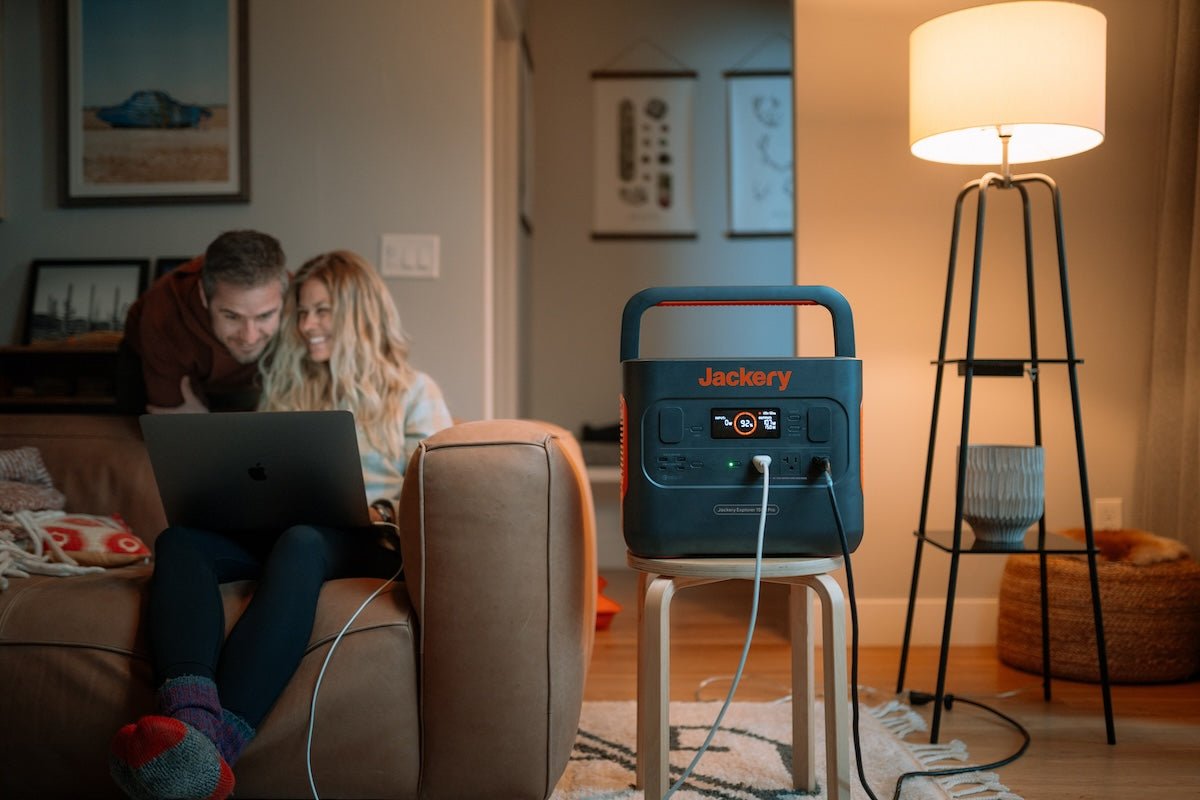
- Portable:Small and easy to move, good for small needs.
- Stationary:Bigger, made for running a whole house.
- Hybrid:Works with solar and other power sources.
Credit: www.jackery.com
Assessing Household Power Needs
Calculate your daily energy useby listing all devices in your home. Check each device’s wattage and estimate how long it runs daily. Multiply watts by hours to get watt-hours. Add all numbers for total daily consumption.
Separate your appliances into two groups: essentialand non-essential. Essentials include lights, fridge, and phone chargers. Non-essentials are TVs, gaming consoles, or extra heaters. Focus on essentials to reduce power needs.
| Appliance Type | Example | Wattage (W) | Hours Used | Energy Used (Wh) |
|---|---|---|---|---|
| Essential | Refrigerator | 150 | 24 | 3600 |
| Essential | LED Lighting | 10 | 5 | 50 |
| Non-Essential | TV | 100 | 3 | 300 |
Find your peak power demandby adding watts of devices running at the same time. This helps pick a solar generator that can handle the highest load. Remember, some devices need more power to start than to run.
Sizing Your Solar Generator
Battery capacity is key to keep your house powered. It stores energy for use at night or cloudy days. Calculate your daily energy use in watt-hours. Multiply by days of backup needed. This gives the total battery size needed. Choose batteries that last long and work well with solar systems.
The inverter size must match your home’s power needs. It changes DC power from batteries into AC power for home use. Check the total wattage of all devices you want to run at once. Pick an inverter with a bit more power than this total. This helps avoid overload and keeps devices safe.
Solar panel size depends on how much energy your home uses daily. More panels mean more energy captured from sunlight. Panels should generate enough power to recharge your batteries fully each day. Consider your location’s sunlight hours to size the array. Bigger arrays work better for cloudy or short daylight areas.

Credit: www.jackery.com
Factors Influencing Generator Size
Location and sunlight availabilityaffect how much energy a solar generator produces. Areas with more sun need smaller generators. Cloudy or shaded places require bigger units to store enough power.
Backup duration and autonomydefine how long the generator runs without sun. Longer backup needs bigger batteries and capacity. Think about how many hours or days you want power during an outage.
Future energy expansionmeans planning for more devices or higher energy use later. Choosing a generator that can grow with your needs avoids buying a new one soon.
| Factor | Consideration | Impact on Generator Size |
|---|---|---|
| Location and Sunlight | Amount of daily sun exposure | More sun = smaller generator needed |
| Backup Duration | Hours or days power is required | Longer backup = larger battery capacity |
| Future Expansion | Adding more devices or power needs | Allows choosing bigger or scalable generators |
Popular Solar Generator Options In 2025
Portable solar generatorsare easy to carry and use for small power needs. They work well for camping, small devices, and emergencies. These units usually have 100 to 2000 wattsof power.
Home backup systemsprovide power during outages. They can run essentials like lights, fridge, and fans. These systems often offer 3000 to 10,000 watts. They connect to your home and batteries.
Hybrid solar generator solutionscombine solar power with other energy sources. They can use solar panels and a fuel generator or battery storage. These systems give more flexibility and longer powertimes.
| Type | Power Range (Watts) | Best Use |
|---|---|---|
| Portable Solar Generators | 100 – 2,000 | Camping, small devices, emergencies |
| Home Backup Systems | 3,000 – 10,000 | Home essentials during outages |
| Hybrid Solar Solutions | Varies (depends on setup) | Flexible, long power supply |
Installation And Maintenance Tips
Choose a dry, cool, and shaded placefor your solar generator to keep it working well. Avoid direct sunlight and rain. Make sure it is near your main power source to reduce cable length and power loss.
Clean the solar panels regularly using a soft cloth and water. Check connections and cables for any damage or loose contacts. Replace worn parts quickly to avoid bigger problems.
Keep the area around the generator free from dust and debris. Store batteries at room temperature to extend their life. Charge the batteries fully before storing for long periods.
- Do not touch electrical parts with wet hands.
- Use only the cables and parts recommended by the manufacturer.
- Turn off the generator before cleaning or maintenance.
- Keep children and pets away from the generator.
- Do not block ventilation openings to avoid overheating.
Cost And Financial Incentives
Choosing the right solar generator sizedepends on your budget. Prices vary widely based on power capacity and features. Smaller units cost less but power fewer devices. Larger generators cost more but provide more energy.
Many governments offer rebates and tax creditsto lower the upfront cost. These incentives can cover a significant part of the price. Check local rules to see what savings apply to you.
Long-term savingscome from reduced electricity bills. Solar generators use free sunlight, cutting monthly costs. Maintenance is usually low, adding to the savings. Over time, the investment pays off by lowering energy expenses.
Common Challenges And Solutions
Weather variabilityaffects solar power output a lot. Cloudy days and storms reduce energy production. Batteries store power but can only hold limited energy for short times. Using a mix of solar and backup power sources helps keep the house running smoothly.
Battery lifespanis another big concern. Batteries wear out after many charge cycles. Proper care, like avoiding deep discharges and high heat, can extend battery life. Choosing high-quality batteries also makes a difference.
Scaling up system capacitymeans adding more solar panels and bigger batteries. This allows the system to handle more energy use. Start small and grow the system as needed. It keeps costs manageable and energy reliable.
Credit: www.renogy.com
Frequently Asked Questions
What Size Solar Generator Powers An Entire House?
A solar generator of 5kW to 10kW typically powers an average house. It depends on your daily energy needs and appliance usage. Calculate total wattage and choose a generator with enough capacity to handle peak loads and battery storage.
How To Calculate Solar Generator Size For Home Use?
Add up all your essential appliances’ wattage and multiply by hours of use. This gives your daily energy consumption in watt-hours. Choose a solar generator with battery capacity and inverter size matching or exceeding this total for efficient home power.
Can A Small Solar Generator Run Home Appliances?
Small solar generators (under 2kW) can run basic appliances like lights and fans. However, they usually can’t handle large appliances like air conditioners or refrigerators for extended periods. For full home use, a larger generator is recommended.
How Many Solar Panels Are Needed For A Home Generator?
The number of solar panels depends on your generator’s wattage and sunlight availability. Typically, a 5kW system requires about 15-20 panels. More panels increase energy capture, ensuring sufficient power and battery recharge for your home generator.
Conclusion
Choosing the right solar generator size depends on your home’s power needs. Check the wattage of your essential appliances first. Add some extra capacity for safety and future use. A properly sized generator keeps your home running smoothly during outages.
It saves money and reduces stress. Take time to plan carefully. Your home deserves reliable, clean power that fits your lifestyle.