
Are you tired of worrying about power outages and spoiled food? Imagine having a reliable backup power source that keeps your refrigerator running smoothly, no matter what.
That’s exactly what a solar generator can do for you! But before you invest in one, it’s crucial to know the right size to keep your fridge humming without a hitch. In this guide, we’ll dive into the essentials of choosing the perfect solar generator for your refrigerator.
By the end, you’ll have all the knowledge you need to make a smart decision that ensures peace of mind and keeps your kitchen essentials safe and sound. Ready to discover the ideal solar solution for your needs? Let’s get started!

Credit: www.renogy.com
Solar Generator Basics
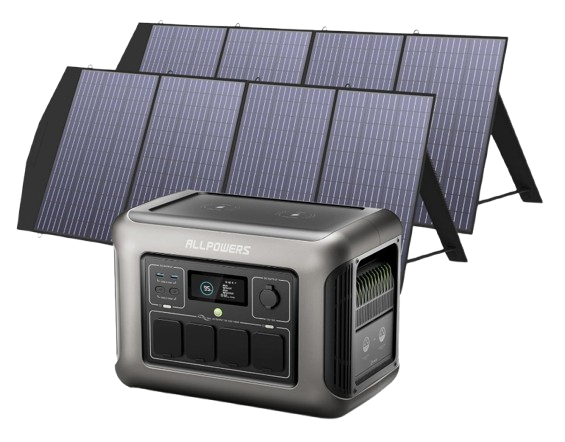
A solar generatorstores energy from the sun to use later. It has three key parts:
- Solar panels:Capture sunlight and turn it into electricity.
- Battery:Stores electricity for use when the sun is not shining.
- Inverter:Changes stored electricity to the type your devices need.
Solar panels collect energy during the day. The battery holds this energy. The inverter makes the power safe and usable for your appliances.
This system lets you run devices like a refrigerator without a regular power source.

Credit: udpwr.com
Refrigerator Power Needs
Most refrigerators use about 100 to 800 wattswhen running. Smaller models need less power, around 100-250 watts. Larger ones or those with freezers may use 400-800 watts. Power use depends on size and age of the fridge.
Starting power is usually 2 to 3 times higherthan running power. This surge helps the compressor start. For example, a fridge running at 200 watts might need 600 wattsat startup.
| Fridge Type | Running Power (Watts) | Starting Power (Watts) |
|---|---|---|
| Small Compact | 100 – 250 | 300 – 750 |
| Medium Size | 250 – 500 | 750 – 1500 |
| Large Fridge/Freezer | 500 – 800 | 1500 – 2400 |
Calculating Solar Generator Size
To estimate the size of a solar generator for a refrigerator, start by calculating its daily energy use. Check the refrigerator’s label for power in watts. Multiply this by the hours it runs daily to get watt-hours.
Battery capacityshould cover this daily need plus extra for cloudy days. A good rule: choose a battery with at least 20-30% more capacitythan the daily usage.
The inverter sizemust match the refrigerator’s starting and running power. Refrigerators use more power at start-up. Pick an inverter with a higher watt rating than the fridge’s peak power.
| Component | Consideration | Tip |
|---|---|---|
| Energy Use | Watts × Hours per day | Check fridge label or manual |
| Battery | Daily use + 20-30% | Ensures backup power |
| Inverter | Must handle starting watts | Choose higher watt inverter |
Choosing The Right Solar Generator
Portable generatorsare easy to carry and move. They work well for camping or small power needs. Stationary generatorsstay in one place and offer more power for longer times. Choose based on how much power your refrigerator needs and where you want to use it.
Solar panel compatibilityis key. Make sure the generator works with the solar panels you have or plan to buy. Some generators only connect to certain panel types or sizes. Check the voltage and wattage limits to avoid problems.
Expandability optionslet you add more batteries or panels later. This helps if your power needs grow or you want to run more appliances. Look for generators that allow easy upgrades without replacing the whole system.
Optimizing Refrigerator Efficiency
Keep the refrigerator door closed as much as possible. Opening the door lets cold air out and warm air in. This makes the fridge work harder and use more energy.
Set the temperature to the right level. A fridge temperature of about 37-40°F (3-4°C)keeps food fresh without wasting power.
- Place the fridge away from heat sources like ovens or direct sunlight.
- Don’t overload the fridge; air needs to circulate to keep things cool.
- Use energy-efficient LED lighting inside the fridge.
Clean the coils at the back or bottom of the fridge regularly. Dust on coils makes the fridge work harder.
Check door seals for cracks or gaps. A tight seal keeps cold air inside and saves energy.
Defrost the fridge if frost builds up. Frost lowers efficiency and uses more power.
Credit: generatorpeak.com
Real-world Usage Scenarios
Many people use solar generators for off-grid living. A solar generator with at least 1000-1500 wattsand a battery capacity around 1000 watt-hourscan run a small to medium refrigerator.
Emergency backup powerneeds vary. A solar generator that stores enough energy to run a fridge for 8-12 hours is ideal. This means batteries with 1500-2000 watt-hoursor more. The generator must handle the fridge’s starting surge, which can be 2-3 times higher than running power.
For camping and outdoor use, a smaller solar generator can work. Many portable models with 400-800 wattsand battery storage around 500-1000 watt-hourscan keep a mini fridge cold for several hours.
Common Challenges And Solutions
Power surgescan damage solar generators and refrigerators. Surge protectors help stop this risk. Choose a generator with a built-in surge protectoror add one separately. This keeps your devices safe and running smoothly.
Solar energy depends on weather. Cloudy or rainy days reduce power output. Use a generator with a large solar panel arrayto capture more sunlight. Store extra energy in batteries for use when the sun is low.
Battery lifeneeds careful management. Avoid draining batteries completely to keep them healthy. Use a battery monitor to track charge levels. Charge batteries fully when solar power is strong.
Cost Considerations
The initial investmentfor a solar generator depends on its size and quality. Bigger generators cost more but can power larger fridges. Smaller models are cheaper but may not run a fridge continuously.
Long-term savingscome from lower electricity bills. Solar energy is free after the first cost. Over time, savings can cover the price of the generator.
| Factor | Details |
|---|---|
| Warranty | Check for at least 1-3 years coverage to protect your investment. |
| Support | Good customer service helps with setup and any issues. |
Frequently Asked Questions
What Size Solar Generator Powers A Standard Refrigerator?
A 500 to 1000-watt solar generator typically runs a standard refrigerator. It covers startup and continuous power needs efficiently. Choose based on your fridge’s wattage and daily usage for optimal performance.
How Long Can A Solar Generator Run A Refrigerator?
A solar generator can run a fridge for 6 to 12 hours on a full charge. Runtime depends on battery capacity, fridge energy consumption, and solar input availability.
Can A Small Solar Generator Handle A Fridge’s Startup Surge?
Small solar generators may struggle with fridge startup surges. Refrigerators require higher wattage at startup, so select a generator with a surge capacity 2-3 times the running wattage.
What Factors Affect Solar Generator Size For Refrigerators?
Fridge wattage, startup surge, daily run time, and battery capacity affect generator size. Also, consider solar panel output and weather conditions for reliable power.
Conclusion
Choosing the right size solar generator ensures your refrigerator runs smoothly. Check the fridge’s starting and running watts first. A generator with enough power keeps food fresh and safe. Don’t forget to consider how long you need to run the fridge.
Small generators may not handle the initial power surge. Bigger units cost more but offer better reliability. Think about your daily power use and budget. A well-sized solar generator brings peace of mind during power outages. Simple planning helps you stay prepared and comfortable.