Are you curious about what size solar system you need to generate 8 kW per hour? Understanding this can help you make smart choices for your home or business.
Imagine cutting your electricity bills and enjoying reliable energy from the sun. But how big should your solar setup be to reach that 8 kW mark? You’ll discover the key factors that determine the right solar system size for you.
Keep reading to find out exactly what you need to power your space efficiently and save money.

Credit: www.reddit.com
Solar System Basics
Solar poweris measured in kilowatts (kW) and kilowatt-hours (kWh). A solar system’s size is its capacity in kW. It shows how much power the system can produce at once. An 8 kW system can generate around 8 kilowatts per hour under ideal conditions.
The actual output depends on many factors:
- Sunlight hours:More sunlight means more power.
- Panel angle:Panels must face the sun correctly.
- Weather:Clouds and rain reduce output.
- Shading:Trees or buildings can block sunlight.
- Panel efficiency:Different panels convert sunlight at different rates.
Calculating 8 Kw Per Hour
To generate 8 kW per hour, understanding daily energy needsis key. This means knowing how much power your home or business uses each day. For example, if you use 8 kW every hour for 5 hours, your daily need is 40 kWh.
Next, consider the peak sunlight hours. This is the time when the sun shines strongest, usually 4 to 6 hours per day. The more sunlight, the smaller the system needed to meet your energy goals.
System efficiencyalso matters. Panels and equipment lose some power due to weather, shading, or age. Typical efficiency ranges from 75% to 85%. A less efficient system must be larger to make 8 kW per hour.
| Factor | Description | Typical Value |
|---|---|---|
| Daily Energy Needs | How much energy is used daily | 40 kWh (example) |
| Peak Sunlight Hours | Strong sunlight hours per day | 4 – 6 hours |
| System Efficiency | Power loss in system | 75% – 85% |
System Components And Sizes
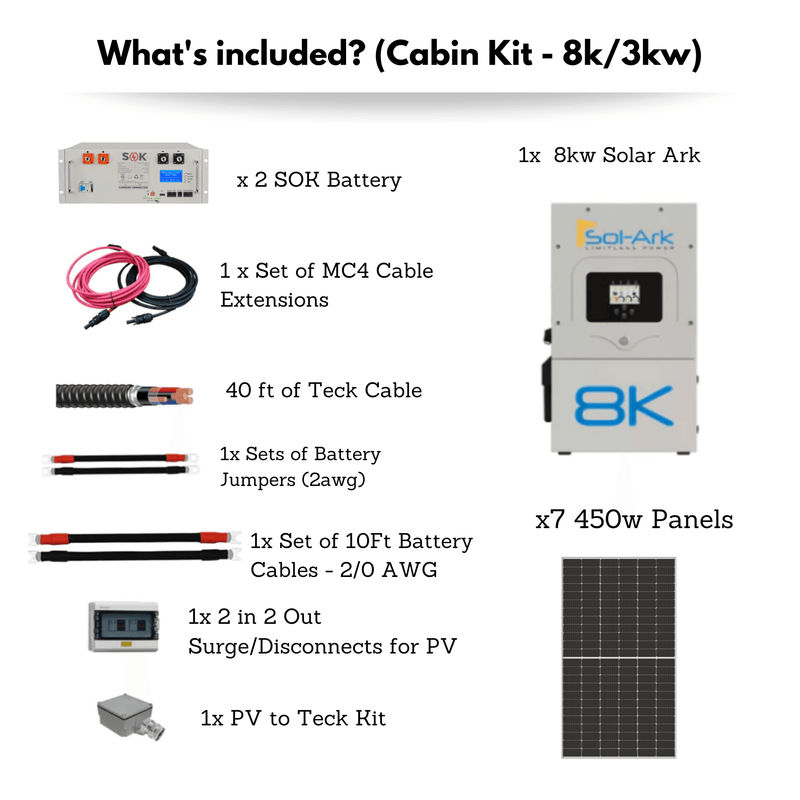
An 8 kW solar system needs about 20 to 24 solar panels. Each panel usually has a capacity of 330 to 400 watts. The exact number depends on panel size and sunlight hours.
The inverter must handle the system’s peak power. For 8 kW, choose an inverter with at least 8 kW capacity. This converts solar energy into usable electricity for your home.
Battery storage helps save extra energy for use at night or cloudy days. A battery bank of around 10 to 15 kWhsuits an 8 kW system well. This size covers most daily energy needs.
| Component | Recommended Size | Notes |
|---|---|---|
| Solar Panels | 20-24 panels (330-400 W each) | Depends on panel wattage and sunlight |
| Inverter Capacity | 8 kW or higher | Must handle peak system power |
| Battery Storage | 10-15 kWh | Stores energy for night and cloudy days |
Site And Location Considerations
A solar system that generates 8 kW per hourneeds enough roof space. Usually, it requires about 500 to 600 square feetof clear area. The exact size depends on the type of solar panels used. Panels with higher efficiency need less space.
Sunlight exposureis key. More sunlight means more power. The best roofs face southor westin the northern hemisphere. Locations with fewer cloudy days produce more energy.
Shadingfrom trees, buildings, or chimneys can lower output. Even small shaded spots reduce the system’s efficiency. Panels must be placed where they get direct sunlight most of the day.
Cost And Budget Factors
The installation costsfor an 8 kW solar system depend on panel quality and labor charges. Prices usually range from $10,000 to $16,000. A larger system needs more space and wiring, which adds to costs.
Maintenance expensesare generally low. Panels need cleaning twice a year to keep efficiency. Occasional checks on the inverter and wiring help avoid big repairs. Budget around $100-$300 yearly for upkeep.
| Factor | Details | Estimated Cost |
|---|---|---|
| Installation | Panels, inverter, wiring, labor | $10,000 – $16,000 |
| Maintenance | Cleaning, inspections | $100 – $300 per year |
| Return on Investment | Energy savings, incentives | 5-10 years payback |
The return on investmentdepends on electricity rates and solar incentives. Savings grow as energy costs rise. Typically, payback happens in 5 to 10 years.

Credit: www.solarsquare.in
Regulations And Incentives
Local permits are often required before installing solar panels. They ensure the system meets safety rules. Getting permits can take time. It’s best to check with your city or county office.
Government rebates help lower the cost of solar systems. These rebates are often offered by federal, state, or local programs. They can reduce your upfront payment significantly.
| Type | Description |
|---|---|
| Federal Rebates | Tax credits on a percentage of the system cost. |
| State Rebates | Cash back or credits depending on the state. |
| Local Rebates | Additional savings from local utility companies. |
Net metering policies let you earn credit for extra energy. When your solar system produces more than used, the extra goes to the grid. You get credit to lower future bills.
Choosing The Right Installer
Certified installersbring skill and trust to your solar project. Look for licenses and industry certificationslike NABCEP or local authorities. These prove the installer has met strict standards.
Reading customer reviewsshows real experiences. Positive feedback means the installer works well and solves problems quickly. Negative reviews highlight issues to avoid.
| Warranty Type | What It Covers | Typical Duration |
|---|---|---|
| Equipment Warranty | Solar panels and parts | 10-25 years |
| Workmanship Warranty | Installation quality | 1-10 years |
| Performance Guarantee | Energy output levels | 20-25 years |
Good warranty and supportprotect your investment. Check how long coverage lasts and what is included. Quick customer service helps fix issues fast.

Credit: shopsolarkits.com
Frequently Asked Questions
What Size Solar System Produces 8 Kw Per Hour?
An 8 kW solar system typically consists of 20 to 25 solar panels. Each panel produces around 320 to 400 watts. The exact size depends on panel efficiency and location sunlight hours.
How Many Solar Panels Generate 8 Kw Power?
To generate 8 kW, you need approximately 20 to 25 solar panels. Panel wattage varies, but 320W to 400W per panel is common. The total number depends on the system design and roof space.
What Factors Affect 8 Kw Solar System Output?
Sunlight hours, panel efficiency, shading, and system orientation impact output. Weather conditions and inverter quality also play key roles. Proper installation ensures maximum 8 kW system performance.
Can An 8 Kw Solar System Power A Home?
Yes, an 8 kW system can power an average home. It typically generates 30 kWh to 40 kWh daily. This covers most household electricity needs, reducing utility bills significantly.
Conclusion
Finding the right solar system size is essential. It ensures optimal energy output. An 8 kW system suits many households. It’s efficient and cost-effective. Solar panels convert sunlight into electricity. This helps reduce your energy bills. Proper installation is important.
It maximizes the system’s efficiency. Regular maintenance keeps it running smoothly. Consider your roof space and sun exposure. These factors affect the system’s performance. Consult a solar expert for guidance. They provide tailored solutions for your needs. Embrace solar energy for a sustainable future.
It’s a smart choice for eco-friendly living.