Are you tired of power outages disrupting your daily life or business operations? Imagine never having to worry about the lights going out or your appliances shutting down unexpectedly.
The solution lies in choosing the right standby generator for your needs. But how do you determine the perfect size for your home or business? This is where a standby generator calculator comes in handy. With just a few clicks, you can ensure that you select a generator that will keep everything running smoothly.
Keep reading to discover how this tool can take the guesswork out of your decision and bring you peace of mind during power interruptions.

Credit: www.omnicalculator.com
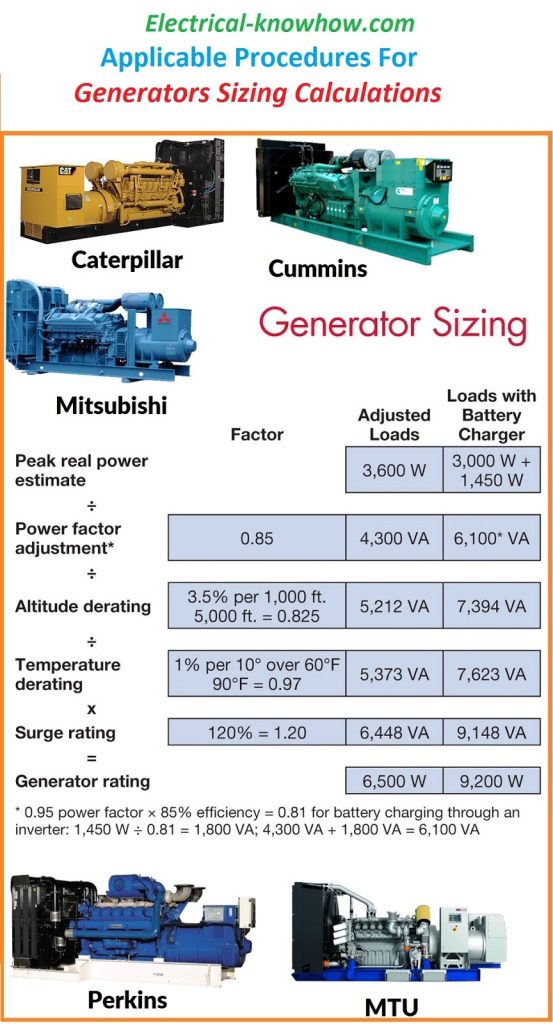
Why Generator Size Matters
Choosing the right generator sizeaffects how well it works. A generator too small may not power all devices. This causes overload and damage. A generator too big wastes fuel and money. It may run inefficiently.
Cost depends on size. Bigger generators cost more upfront. They also need more fuel. Smaller ones cost less but may fail during high use.
Fuel efficiency varies with size. Right-sized generators use fuel smartly. They run longer and save money. Too large ones burn fuel without need.
| Factor | Effect |
|---|---|
| Performance | Right size powers all devices safely and steadily |
| Cost | Bigger size means higher cost and fuel use |
| Fuel Efficiency | Proper size saves fuel and runs longer |
Credit: norwall.com
Key Factors To Consider
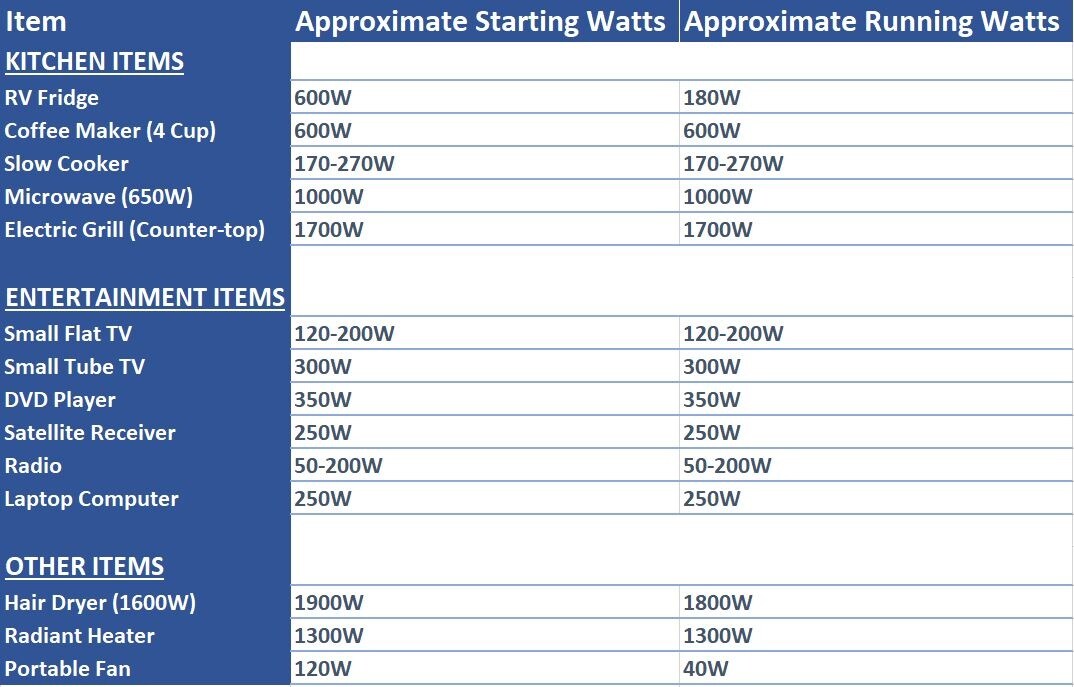
Calculate the total wattage needsby adding up all devices you want to power. Focus on the essential appliancesfirst, like refrigerators, lights, and heaters. Optional appliances can be added later if the generator has extra capacity.
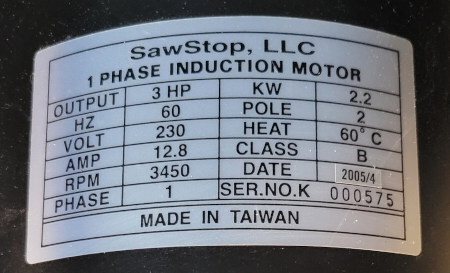
Understand the difference between starting wattsand running watts. Starting watts are higher because some devices need extra power to start. Running watts are the normal power used while operating.
| Type | Description | Example |
|---|---|---|
| Essential Appliances | Must-have devices during power outage | Fridge, lights, medical devices |
| Optional Appliances | Nice to have but not urgent | TV, microwave, extra fans |
| Starting Watts | Power needed to start a device | Air conditioner compressor |
| Running Watts | Power used during normal operation | Light bulb, computer |
How To Calculate Your Power Needs
Start by listing all appliancesyou want to power. Include lights, fridge, heater, and electronics. Write down each item’s name and how many you have.
Next, estimate the wattageneeded for each appliance. Check labels or manuals for watt ratings. Use average wattage if exact numbers are missing.
Sum the wattage of all appliances to get the total load. This number shows how much power you need.
Add a safety marginto the total wattage. This margin covers extra power for startup surges or future needs. Usually, add 10% to 20% more wattage.
| Appliance | Wattage (Watts) | Quantity | Total Watts |
|---|---|---|---|
| Refrigerator | 700 | 1 | 700 |
| Light Bulbs | 60 | 10 | 600 |
| Heater | 1500 | 1 | 1500 |
| TV | 200 | 1 | 200 |
| Total Watts | 3000 | ||
Multiply total watts by 1.2 for a 20% safety margin.
Credit: www.electricgeneratorsdirect.com
Using A Standby Generator Calculator
A standby generator calculator helps find the right generator sizefor your home. It asks for details like the number of appliances and their power needs. Enter the correct datato get accurate results. Double-check the wattage of each device and include both running and starting watts.
Calculator results show the total wattage needed. This number helps choose a generator that can handle your home’s load safely. It is important to pick a generator with a bit more power than the total wattage. This extra capacity prevents overload and ensures smooth operation.
- Not including all appliances can lead to wrong sizing.
- Mixing up running and starting watts causes errors.
- Ignoring future power needs may cause shortages.
- Entering incorrect watt values leads to bad results.
Matching Generator Size To Home Types
Choosing the right generator sizedepends on the type of home. Small homes and apartments need less power. A generator with 5,000 to 7,000 wattsusually works well. This size can run basic appliances like lights, fridge, and a heater.
Medium-sized houses require more power. A generator with 7,500 to 10,000 wattssuits these homes. It can support more appliances and some larger devices like air conditioners.
Large homes and estates need the most power. Generators of 10,000 watts or moreare best. They can handle many appliances and heavy equipment at once.
| Home Type | Recommended Generator Size (Watts) | Common Uses |
|---|---|---|
| Small Homes and Apartments | 5,000 – 7,000 | Lights, fridge, small heater |
| Medium-Sized Houses | 7,500 – 10,000 | More appliances, air conditioner |
| Large Homes and Estates | 10,000+ | Many appliances, heavy equipment |
Other Considerations For Generator Selection
Choosing a fuel typeaffects cost and convenience. Common options include gasoline, propane, and diesel. Gasoline is easy to find but stores poorly. Propane lasts longer and burns cleaner. Diesel is powerful but can be noisy.
Noise levels matter for home comfort. Some generators run quietly, while others make more sound. Check decibel ratingsto pick a model that suits your neighborhood.
Installation needs depend on generator size and type. Some units require professional setupto connect to your home’s power. Space and ventilation are important for safety. Make sure there is enough room for proper air flow.
Frequently Asked Questions
What Is A Standby Generator Calculator?
A standby generator calculator estimates the generator size needed for your home or business. It considers total wattage of appliances and devices. This tool helps ensure you select a generator that meets your power needs efficiently.
How Do I Calculate Generator Size For My Home?
Add the wattage of all essential appliances and devices you want powered during an outage. Include starting wattage for motors and HVAC systems. Use a standby generator calculator to get an accurate generator size recommendation based on these totals.
Why Is Generator Size Important For Standby Power?
Choosing the correct generator size ensures reliable power without overload. An undersized generator won’t support all appliances, causing failures. An oversized generator wastes fuel and costs more. Proper sizing improves performance, efficiency, and safety during power outages.
Can A Standby Generator Handle All Household Appliances?
A properly sized standby generator can power all essential household appliances. You must calculate total power needs carefully to avoid overload. Non-essential appliances may require manual shutdown to prioritize critical equipment during an outage.
Conclusion
Choosing the right standby generator size saves money and avoids problems. Use a calculator to check your home’s power needs. Focus on essential appliances and devices for backup. A properly sized generator runs smoothly and lasts longer. Don’t guess—accurate sizing keeps your home safe during outages.
This simple step ensures comfort and peace of mind. Take your time and get the right size today.