Choosing the right size standby generator for your home can feel daunting, especially when your electrical service is rated at 200 amps. You don’t want to invest in a generator that won’t meet your needs during a power outage.
But how do you determine the perfect fit? This decision is crucial for maintaining the comfort and safety of your household. Imagine the peace of mind knowing that your generator can seamlessly keep your home running, no matter what. In this guide, we’ll simplify the process, helping you understand what factors to consider and how to make the best choice.
Are you ready to ensure your home is never left in the dark? Let’s dive in.
Credit: www.homedepot.com
Basics Of 200 Amp Service
A 200 amp service can handle a large amount of electricity. It powers most homes with many appliances. The total power needed depends on what devices are used at the same time. Typical homes use a mix of lights, kitchen devices, heating, and air conditioning.
- Refrigerator:600 watts
- Air Conditioner:2000 watts
- Electric Oven:3000 watts
- Lighting:600 watts
- Water Heater:4500 watts
- Microwave:1000 watts
These appliances often run at different times. Total watts add up when many devices run together. This helps decide the right generator size.
Choosing The Right Generator Size
Calculate the total wattageneeded to power your home. Add the wattage of all appliances and devices you want to run. Check each device’s running wattsand starting watts. Starting watts are usually higher because some devices need more power to start.
Consider surge loadsfrom items like refrigerators and air conditioners. These appliances use extra power briefly when they switch on. Your generator must handle these surges without shutting off.
| Type of Wattage | Description |
|---|---|
| Running Watts | Continuous power needed to keep devices on |
| Starting Watts | Extra power needed to start some devices |
| Surge Loads | Temporary extra power when devices start |
Generator Types For 200 Amp Service
Portable generatorsare easy to move and use for short power outages. They usually offer less power, suitable for a few appliances. These generators need manual setup and refueling.
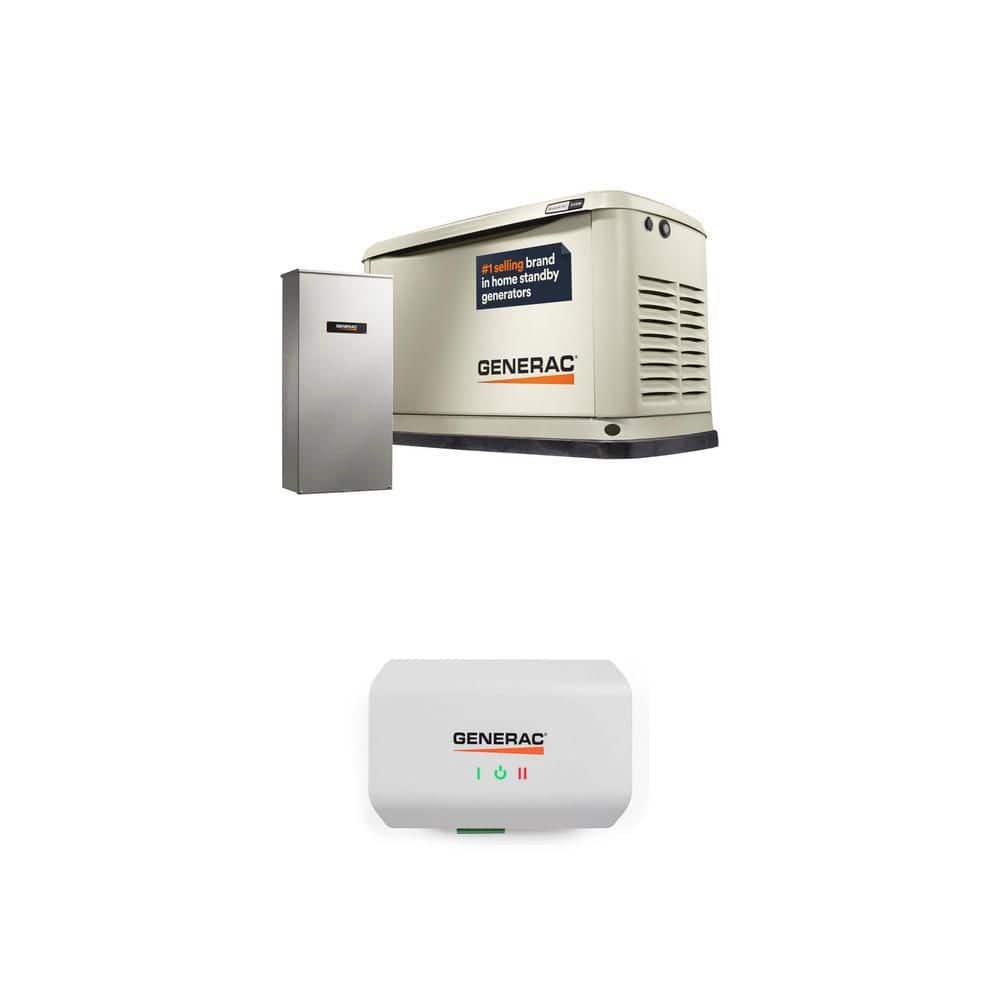
Standby generatorsare fixed and turn on automatically during power loss. They provide enough power for the whole house with 200 amp service. These run on natural gas or propane and need professional installation.
Inverter generatorsare quiet and fuel-efficient. They give clean power, safe for sensitive electronics. These are smaller and good for light to medium power needs.
Factors Affecting Generator Size
Essential circuitsinclude lights, refrigerator, and furnace. They need power during outages. Non-essential circuitscover items like pool pumps and extra outlets. Not all circuits must run during a blackout.
Consider future power needs. New appliances or home additions can raise power demand. Choose a generator that can handle extra load later.
| Fuel Type | Availability | Notes |
|---|---|---|
| Natural Gas | Usually continuous | No need to refill often |
| Propane | Stored onsite | Easy to store but limited supply |
| Diesel | Needs refilling | Good for heavy loads but noisy |
Installation And Safety Tips
Choosing the right transfer switchis key for safe generator use. It connects your generator to your home’s electrical system. This switch stops power from flowing back to the grid. This protects utility workers and your devices.
Professional installationensures the generator and switch work well. Experts know how to follow local rules and codes. They test the system for safety and efficiency. Avoid risks by hiring licensed electricians.
- Check the generator and switch regularly.
- Run tests to confirm the system starts and stops correctly.
- Keep the generator clean and free from debris.
- Replace worn parts before problems occur.
Credit: www.electricgeneratorsdirect.com
Cost Considerations
Choosing the right standby generator involves understanding cost factors. The initial investmentincludes the generator price, installation fees, and any permits needed. Larger generators cost more but provide more power.
Operating costscover fuel, maintenance, and repairs. Fuel type affects price: propane, diesel, or natural gas. Regular maintenance keeps the generator reliable and efficient.
Potential savingscome from avoiding power outage losses. A good generator protects appliances and prevents food spoilage. It can also increase home value.

Credit: www.powerequipmentdirect.com
Frequently Asked Questions
What Size Generator Is Needed For 200 Amp Service?
A 20 kW to 25 kW standby generator typically supports a 200 amp service. This size handles essential appliances and HVAC systems during outages. It ensures your home’s critical circuits remain powered safely and efficiently.
How To Calculate Generator Size For 200 Amp Panel?
Calculate total wattage of appliances and HVAC units on the 200 amp panel. Add 20-25% extra capacity for startup surges. This helps select a generator that meets peak power needs without overload.
Can A 15 Kw Generator Support 200 Amps?
A 15 kW generator may be insufficient for full 200 amp service. It can power essential circuits but might not run the entire home simultaneously. A larger 20-25 kW unit is recommended for full coverage.
Why Choose A 25 Kw Generator For 200 Amp Service?
A 25 kW generator provides ample power, including surge capacity for motor-driven appliances. It handles the full load of a 200 amp service comfortably. This size offers reliability during extended power outages.
Conclusion
Choosing the right standby generator size matters for your 200 amp service. A generator that fits well keeps your home powered safely. Too small, and it won’t handle all your needs. Too big, and you waste money and fuel. Check your home’s total electrical load first.
Then pick a generator that matches or slightly exceeds that load. This helps keep lights on and appliances running during outages. A well-sized generator offers peace of mind and comfort. Take time to plan, and you’ll stay powered through any storm.