
Imagine this: a sudden power outage plunges your home into darkness. Your lights go out, appliances stop working, and the comfort of your home turns into uncertainty.
This scenario highlights the crucial need for a standby generator. But here’s the burning question: what size standby generator is right for your home? Picking the right one can be a game-changer, ensuring your home runs smoothly during unexpected outages.
In this guide, we’ll unravel the mystery of generator sizing, helping you make an informed decision that safeguards your home’s comfort and functionality. Ready to power through any outage with confidence? Let’s dive in!
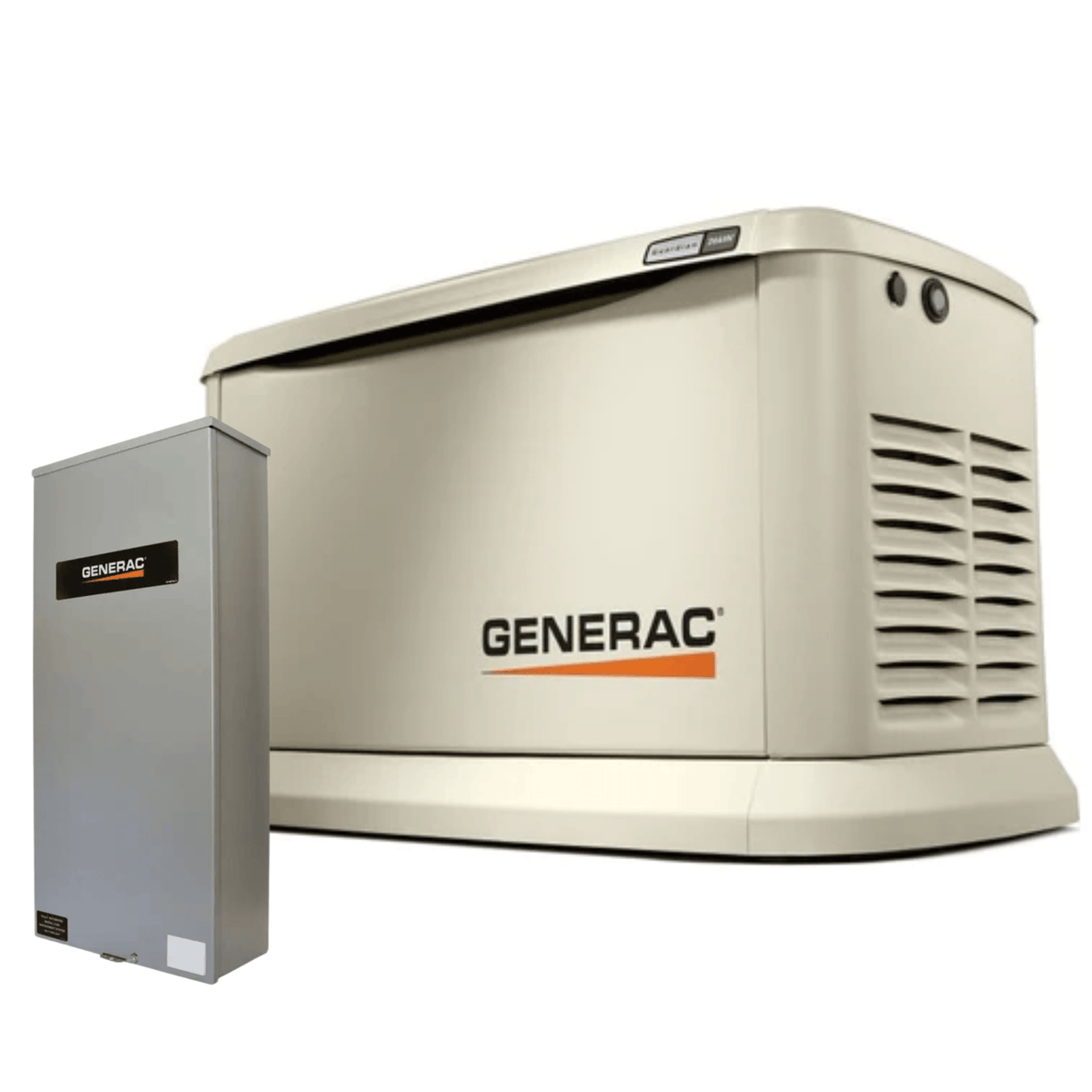
Credit: solarpowerstore.ca
Why Size Matters
Correct sizingensures your generator runs smoothly. Too small, and it will overloadquickly, causing power loss. Too big, and it wastes fueland money. A generator that fits your home’s needs provides consistent powerduring outages.
Smaller generators may struggle with heavy loads like air conditioners or heaters. Larger units handle these easily but can be expensive. Balance is key to avoid overspendingor underperformance.
- Fuel efficiencydrops if the generator is too large.
- Smaller units use less fuel but might run longer.
- Proper size reduces fuel costsand maintenance.

Credit: nomicpower.com
Estimating Your Power Needs
Start by listing all essential appliancesyou want to power. Include lights, refrigerator, heating, and fans. Think about devices you use every day.
Each appliance has running wattsand starting watts. Running watts show power used to keep it on. Starting watts are extra power needed to start the device.
| Appliance | Running Watts | Starting Watts |
|---|---|---|
| Refrigerator | 700 | 2200 |
| Air Conditioner | 1000 | 3000 |
| Lights (per bulb) | 60 | 60 |
Plan for future power needs. Add extra watts for new devices later. This helps avoid buying a bigger generator soon.
Types Of Standby Generators
Standby generators come in two main types: portableand permanent. Portable generators are easy to move and good for short power outages. Permanent generators are fixed outside your home and start automatically during power cuts. They offer more power and are better for long outages.
Fuel options for standby generators include gasoline, diesel, natural gas,and propane. Natural gas and propane are cleaner and often used for permanent generators. Gasoline and diesel are common in portable models but need careful storage.
| Power Output (Watts) | Suitable For |
|---|---|
| 5,000 – 7,500 | Basic home needs like lights and small appliances |
| 7,500 – 15,000 | Most homes with essential circuits and some larger appliances |
| 15,000+ | Whole home power including HVAC and multiple appliances |

Credit: www.cummins.com
Matching Generator Size To Home
Choosing the right standby generator sizedepends on your home’s power needs. Small homes or apartments usually need 5,000 to 7,500 watts. This size covers essentials like lights, fridge, and a few devices.
Medium-sized homes require more power, around 10,000 to 17,000 watts. This supports heating, air conditioning, and multiple appliances running at once.
Large homes or estates often need 20,000 watts or more. This size handles whole-house power, including large HVAC systems, pools, and extra appliances.
| Home Size | Generator Wattage | Typical Usage |
|---|---|---|
| Small Homes & Apartments | 5,000 – 7,500 watts | Lights, fridge, few devices |
| Medium-Sized Homes | 10,000 – 17,000 watts | Heating, AC, multiple appliances |
| Large Homes & Estates | 20,000+ watts | Whole house power, pools, HVAC |
Installation Factors
Permits and regulationsare important before installing a standby generator. Local rules may require special permits. Checking with city or county offices helps avoid fines or delays. Some areas have strict rules about noise and emissions.
Placement and ventilationmatter a lot. Generators must be outside in a well-ventilated spot. Exhaust fumes can be deadly if trapped indoors. The generator should be placed on a flat, stable surface away from windows and doors.
- Keep at least 5 feet from the house
- Avoid placing near air intakes
- Ensure clear airflow around the unit
Professional installation benefitsinclude safety and proper setup. Experts know local codes and can get permits quickly. They handle wiring, fuel lines, and testing. A professional install reduces risks and helps the generator run smoothly.
Maintenance And Longevity
Regular checks keep your generator running smoothly. Check oil levels and coolant often. Clean air filters to avoid dirt build-up. Test the battery and electrical connections to prevent failure. Run the generator monthly for about 20 minutes to keep parts moving.
Common issues include fuel problems, dirty filters, and worn spark plugs. Low oil or coolant can cause engine damage. Overloading the generator may shorten its life. Strange noises or smells signal a need for service.
Extending generator life needs good care. Store fuel properly in a cool, dry place. Change oil after every 100 hours of use or as the manual says. Keep the generator dry and protected from weather. Schedule professional service yearly for best results.
Budgeting For Your Generator
Initial costsinclude the price of the generator and installation fees. Larger generators cost more. Installation depends on your home’s wiring and location. A professional must connect the unit safely. Permits may add to the cost.
Operating expensescover fuel, maintenance, and repairs. Fuel type affects costs; propane, natural gas, or diesel vary in price. Regular oil changes and checks keep the generator running well. Plan for filter replacements and battery care.
Long-term savingscome from avoiding power outages. Protect appliances and keep your home comfortable. A good generator can add value to your home. Think of it as an investment for safety and comfort.
Choosing The Right Brand
Reputation and reviewsshow how well a brand works. Check what other buyers say. Good brands have many happy users. Bad reviews can warn you about problems.
Warranty and supportprotect your purchase. A strong warranty means the brand trusts its product. Support helps if the generator breaks or you have questions. Choose brands with clear, easy-to-reach support.
Parts must be easy to get. Some brands have many stores or online shops selling parts. This saves time and money if you need repairs. Brands with rare parts cause long waits and higher costs.
Frequently Asked Questions
What Size Generator Do I Need For A Typical Home?
A 7,000 to 10,000-watt generator usually powers essential home appliances. Calculate your total wattage needs first. This size covers refrigerators, lights, and HVAC systems effectively.
How To Calculate The Right Generator Size For Home?
List all appliances you want to power. Add their starting and running wattages. Choose a generator with wattage slightly higher than this total for safety.
Can A Small Generator Power An Entire House?
Small generators typically power only essential circuits. For full house backup, a larger standby generator is necessary. It ensures continuous power to all appliances.
Why Is Wattage Important In Choosing A Generator?
Wattage determines how many appliances a generator can run simultaneously. Insufficient wattage leads to overloads and shutdowns. Always pick a generator with adequate wattage for your needs.
Conclusion
Choosing the right size standby generator keeps your home powered safely. Calculate your total watt needs for essential appliances. Remember to add extra capacity for starting watts. A properly sized generator runs smoothly and lasts longer. Avoid buying too small or too large units.
This helps save money and ensures reliable power. Take time to compare options before deciding. Your home deserves steady power during outages. Trust your calculations and enjoy peace of mind.