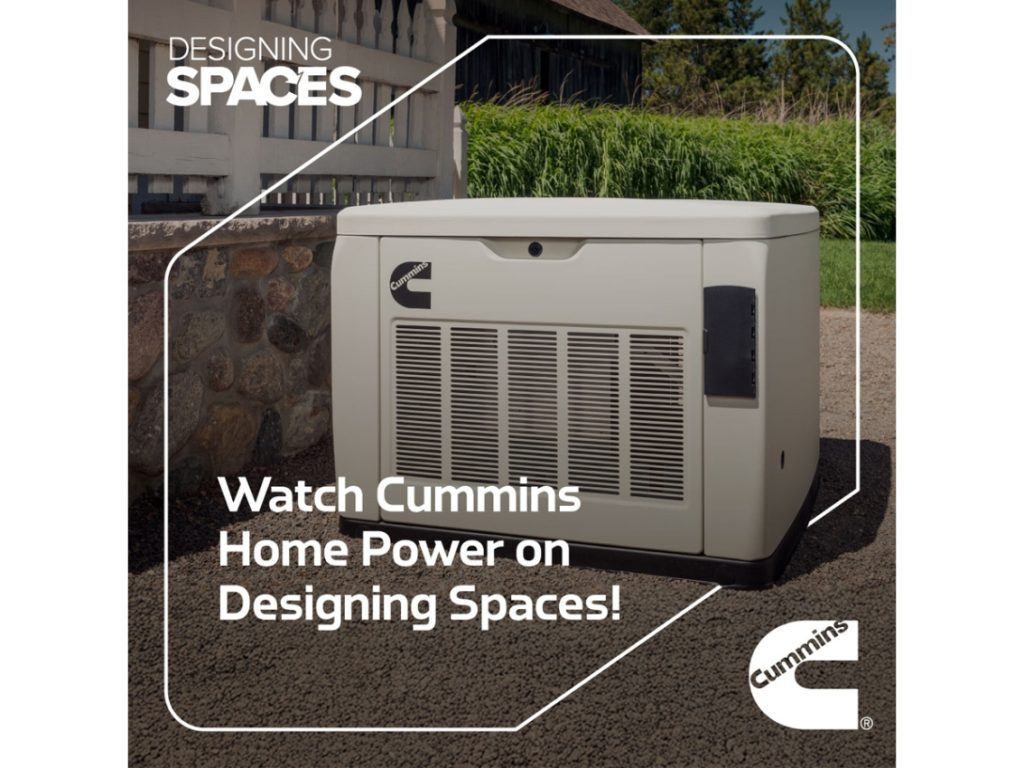
Imagine a stormy night when the power suddenly goes out. Your home is plunged into darkness, and you’re left wondering how long it will last.
This is where a standby generator steps in, providing peace of mind and ensuring that your home continues to run smoothly. But here’s the big question: what size standby generator do you need for your home? Choosing the right size is crucial, as it can mean the difference between powering just the essentials or keeping your entire home lit and comfortable.
In this guide, we’ll help you understand how to select the perfect generator size for your needs, so you can be prepared for any power outage. Stay with us, and by the end, you’ll feel confident in making a choice that keeps your home safe and functional, no matter what.
Home Power Needs
Homes need power for many things. Essential applianceslike refrigerators and lights must always work. These keep food fresh and rooms bright.
Comfort and convenience devicesinclude heaters, air conditioners, and TVs. They help make life easier and more pleasant.
Seasonal power requirementschange with weather. In winter, heating needs more power. In summer, air conditioning uses more electricity.
| Appliance Type | Power Use | Importance |
|---|---|---|
| Refrigerator | Medium | Essential |
| Lighting | Low | Essential |
| Heater | High | Comfort |
| Air Conditioner | High | Comfort |
| TV | Low | Convenience |
Generator Capacity Basics
Wattage ratingstell how much power a generator can give. There are two main types: starting wattsand running watts. Running watts are the continuous power the generator can supply. Starting watts are extra power needed to start motors or appliances.
Many appliances need more power to start than to run. This extra power is called surge power. Surge power can be 2 to 3 times higher than running power.
| Wattage Type | Description |
|---|---|
| Running Watts | Power needed for regular operation of devices |
| Starting Watts | Extra power needed to start motors and appliances |
| Surge Power | Brief high power needed at startup, often 2-3 times running watts |
Choose a generator that handles both runningand starting watts. This ensures smooth power without overloads.
Calculating Your Load
Make a list of all important home appliances to power during an outage. Include items like the refrigerator, heater, lights, and water pump. Each device uses a certain amount of watts to run.
Estimate the total wattage by adding up the power needs of each appliance. Check labels or manuals for wattage details. Add a small buffer for safety.
Load calculators can help simplify this process. They ask for appliances and provide a total wattage estimate. These tools save time and reduce errors.
| Appliance | Average Wattage |
|---|---|
| Refrigerator | 600 W |
| Heating System | 1500 W |
| Lights | 300 W |
| Water Pump | 750 W |

Credit: vtoman.com
Types Of Standby Generators
Portable generatorsare easy to move and cheaper. They work well for short power outages and small homes. Permanent generatorsare installed outside your home. They start automatically during power loss and power the whole house.
Fuel types include:
- Gasoline:Common but needs fresh fuel.
- Propane:Cleaner and lasts longer.
- Natural gas:Connected to home gas lines, very convenient.
Automatic transfer switches (ATS)change power from the grid to the generator fast. They protect your home and generator. ATS is essential for permanent generators to start without any help.
Sizing Tips And Recommendations
Choosing the right size standby generator is key for your home’s power needs. Think about future expansion. Add some extra capacity for new appliances or upgrades. This helps avoid buying a bigger generator later.
Focus on efficiency. A generator that runs well saves fuel and money. Check the fuel type and consumption rate. Smaller generators may use less fuel but might not power everything.
Balance cost and power. Bigger generators cost more but offer more power. Smaller ones cost less but may not cover all appliances. Find a size that fits your budget and power needs.

Credit: www.youtube.com
Installation And Maintenance
Professional installationensures your generator works safely and well. Experts know local rules and codes. They connect the generator to your home’s power system without risk. This saves time and prevents costly mistakes. Proper setup also improves generator efficiencyand lifespan.
Routine maintenance keeps the generator ready for use. Tasks include:
- Checking and changing oil regularly
- Replacing air and fuel filters
- Testing battery condition
- Running the generator periodically
- Inspecting for leaks or damage
Safety is key around standby generators. Always:
- Keep the area clear of flammable materials
- Ensure proper ventilation to avoid fumes
- Never touch the generator with wet hands
- Turn off the generator before doing repairs
- Store fuel safely and away from the unit
Budgeting And Cost Factors
The initial investmentincludes the cost of the generator and installation. Prices vary by size and brand. Larger generators cost more but power more appliances.
Operating costsinclude fuel, maintenance, and repairs. Fuel type affects cost—gasoline, propane, or diesel. Regular maintenance keeps the generator running well and lasts longer.
Potential savingscome from avoiding food spoilage and damage during outages. A reliable generator can prevent costly repairs and loss of comfort.
| Cost Factor | Description |
|---|---|
| Initial Investment | Price of generator and installation fees |
| Operating Costs | Fuel, maintenance, and repair expenses |
| Potential Savings | Prevents losses from power outages |
Common Mistakes To Avoid
Undersizing generatorscauses many problems. A small generator may not power all your devices. This leads to frequent outagesand damaged appliances. Choose a generator that handles all your home’s needs.
Ignoring load growthlimits future use. Your power needs can increase with new appliances or home additions. Plan for extra power to avoid buying a new generator soon.
Overlooking fuel availabilitycan leave you without power. Some fuels like propane or natural gas might not be easy to get in emergencies. Check fuel access before buying a generator.

Credit: www.angi.com
Frequently Asked Questions
What Size Generator Powers A Typical Home?
A typical home needs a standby generator of 7,000 to 10,000 watts. This size covers essential appliances and lighting during outages efficiently.
How To Calculate Generator Size For My Home?
Add wattage of all essential appliances and devices. Include starting watts for motors to get the accurate generator size.
Can A Smaller Generator Handle My Whole House?
A smaller generator can power only essential circuits. For full house backup, choose a generator that matches your home’s total wattage needs.
What Appliances Require More Generator Power?
Appliances with motors like refrigerators, air conditioners, and sump pumps require higher starting watts. Factor these in when sizing your generator.
Conclusion
Choosing the right standby generator size keeps your home safe and powered. Check your essential appliances and add their wattages. Think about extra power for comfort and future needs. Too small a generator won’t run everything. Too big wastes money and fuel.
A balanced size works best for your home and budget. Take time to plan well. Your home deserves reliable power when outages happen.