Are you planning to power up your home with a generator during outages? One crucial piece of the puzzle is choosing the right transfer switch.
But with various sizes and options, how do you know which one is perfect for your setup? Imagine the comfort and peace of mind knowing that your generator will seamlessly take over when needed, keeping your home running smoothly. In this guide, we’ll help you figure out the ideal transfer switch size for your generator, ensuring you make a smart choice for uninterrupted power.
Dive in to discover how to make your home energy-efficient and reliable during those unexpected blackouts.
Credit: www.onesto-ep.com
Transfer Switch Basics
Choosing the right size transfer switch ensures safe power distribution from your generator. Match the switch amperage to your generator’s output for optimal performance. Proper sizing prevents electrical overloads and enhances efficiency.
Purpose And Function
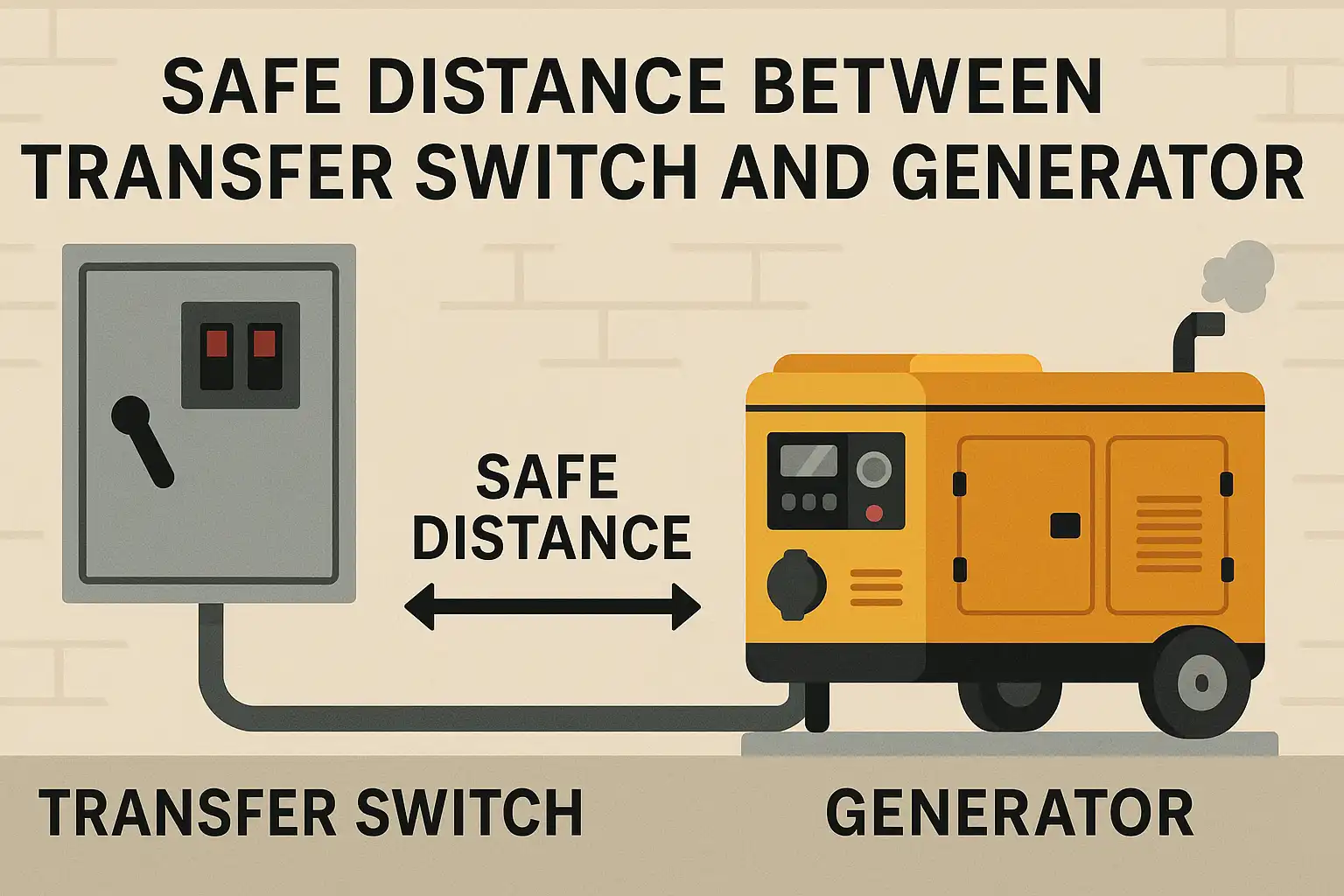
A transfer switchchanges power from the utility to a generator. It keeps your home safe during power outages. This switch prevents back-feeding electricity to the grid. Back-feedingcan harm workers fixing power lines. The switch also protects your generator from overloads. A transfer switch helps distribute power evenly. It ensures essential devices stay powered. With a transfer switch, you can avoid manual switching. This makes it easy to switch during emergencies.
Types Of Transfer Switches
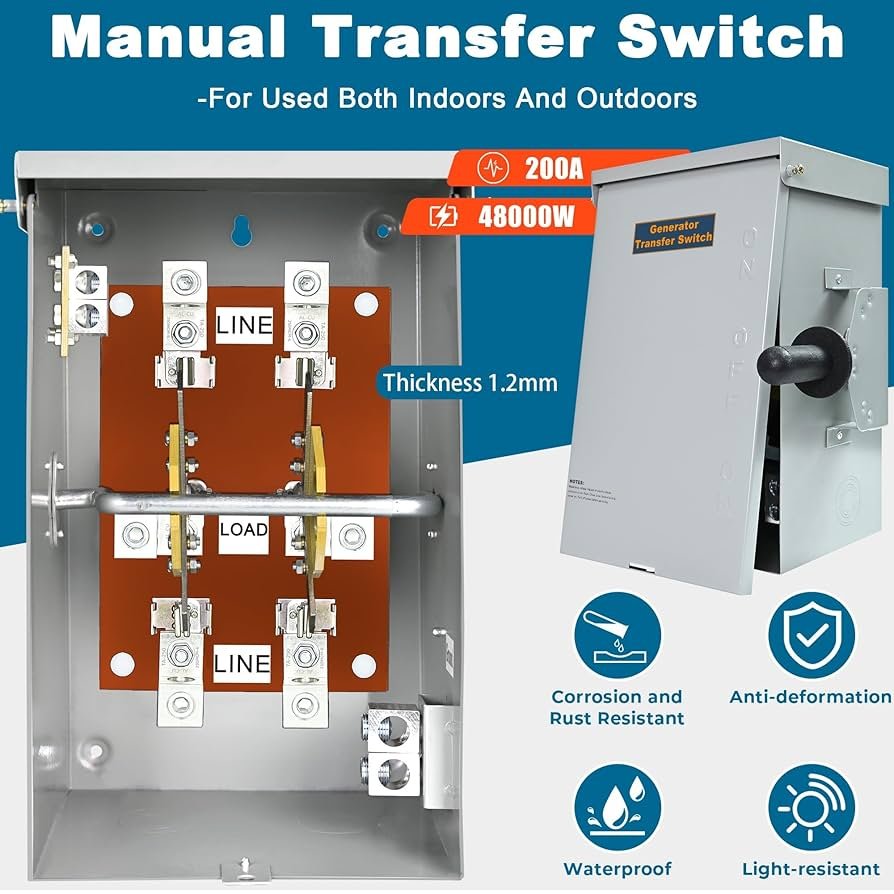
- Manual Transfer Switch:Requires hand operation. Used in smaller setups.
- Automatic Transfer Switch:Switches automatically. Ideal for larger installations.
- Service Entrance Rated:Combines with the main breaker panel. Provides efficient power management.
- Non-Service Entrance Rated:Installed separately. Used for specific circuits.

Credit: www.amazon.com
Assessing Your Power Needs
Choosing the right transfer switch size is crucial for generator efficiency. Calculate total wattage of essential appliances to determine your power needs. This ensures seamless power transition during outages.
Calculating Wattage Requirements
Find out how much power your home needs. Use a list of appliances. Check their wattageon the labels. Add up all the numbers. This gives you the total wattage requirement. Remember, some devices need extra power to start. Think about this in your calculations.
Identifying Essential Circuits
Decide which circuits are most important. Think about lights, fridge, and heating. These should be essential circuits. Not every circuit is important. Focus on the ones you need daily. This helps in choosing the right transfer switch size.
Generator Compatibility
Choose the right transfer switch for your generator. Check the generator’s wattage. Transfer switches have different ratings. Match the switch’s rating to the generator’s output. This ensures safe and efficient operation. The switch should handle the generator’s maximum power. Avoid overloading the system. A mismatch can cause damage.
Understand your home’s power needs. Calculate the total wattage required. List all important appliances. Include lights, refrigerators, and heaters. Add up their power needs. The transfer switch should match or exceed this total. This ensures all appliances work well. Consider future needs too. If planning more appliances, choose a larger switch.
Choosing The Right Size
First, check your generator’s power rating. It’s usually in kilowatts (kW). Match the transfer switch with this power rating. A 5kW generator needs a 5kW switch. Always consider future power needs. A slightly bigger switch can be better. For safety, never go below the generator’s power. This can cause issues.
Experts suggest using a professional for installation. Electricians know the proper sizing. They will ensure safety and efficiency. If uncertain, ask for advice. It’s always better to be safe. A wrong switch size can be dangerous. Professionals can prevent costly mistakes. They can also offer maintenance tips.
Installation Tips
Choosing the right transfer switch size for your generator is crucial for safety and efficiency. Match the switch capacity to your generator’s wattage to ensure smooth operation. Consult a professional if unsure about the appropriate size.
Safety Precautions
Always check the area for any water or wet surfaces. This keeps everyone safe. Wear gloves and safety goggles to protect your hands and eyes. Make sure to switch off the main power supply. This prevents any electric shocks. Use tools that have rubber grips. They stop electricity from passing through.
Professional Vs. Diy Installation
Hiring a professional ensures the job is done correctly. They have the right skills and tools. But doing it yourself can save money. It’s important to follow all instructions carefully. Read the manual before starting. Ask a friend to help if needed. Always double-check your work for safety.
Common Mistakes
Choosing the wrong size transfer switch can lead to generator inefficiency. Oversized switches may cause power waste, while undersized ones risk overload. Understanding your generator’s wattage and household needs is key.
Avoiding Oversizing
Oversizing a transfer switch can lead to wasted resources. A larger switch costs more money. It also takes up more space. A smaller switch fits better in tight areas. It uses less power, saving energy. Choose the right size to avoid these issues. Measure your generator’s output first. Compare this with switch capacity. This helps find a match. The perfect switch handles generator power safely.
Ensuring Proper Wiring
Proper wiring is vital for safety. Incorrect wiring can cause fires. It may also lead to equipment damage. Check all connections before use. Use the correct wire type for each connection. Wires must be thick enough for power flow. Thin wires may overheat. Follow safety guidelines strictly. This keeps your home safe and sound.
Maintenance And Troubleshooting
Choosing the right transfer switch size for your generator ensures safety and efficiency. Consider your generator’s power output and household needs. A correctly sized switch can handle the load without strain, providing seamless power during outages.
Routine Checks
Regular checks keep your generator running smoothly. Inspect the transfer switchand connections. Look for signs of wear or damage. Check the oil and fuel levels often. Ensure the battery is charged. Keep the area around the generator clean. Remove debris and dust.
Addressing Common Issues
Generators can face some common issues. If it fails to start, check the battery. Inspect the fuel supply and lines. If the generator runs but doesn’t power appliances, inspect the transfer switch. Ensure it is properly connected. Look for tripped breakers or blown fuses. Regular maintenance helps prevent these problems.

Credit: www.amazon.com
Frequently Asked Questions
Can I Use An 8000 Watt Generator On A 7500 Watt Transfer Switch?
You shouldn’t use an 8000 watt generator on a 7500 watt transfer switch. It might overload and cause damage. Always match or exceed the generator’s wattage with the transfer switch’s capacity for safety. Consider consulting a professional electrician for advice.
How Do I Know What Transfer Switch I Need For My Generator?
Identify your generator’s wattage capacity. Choose a transfer switch matching or exceeding this capacity. Consider automatic or manual options based on your needs. Ensure compatibility with your generator model. Consult manufacturer guidelines or a professional for optimal selection.
What Size Transfer Switch Do I Need For A 13,000 Watt Generator?
For a 13,000 watt generator, use a 100-amp transfer switch. It accommodates the generator’s capacity efficiently and safely. Ensure compatibility with your generator’s specifications for optimal performance.
What Is The Difference Between 100 Amp And 200 Amp Transfer Switch?
A 100 amp transfer switch handles less electrical load than a 200 amp switch, suitable for smaller systems. The 200 amp switch is designed for larger setups, offering more capacity and flexibility. Choose based on your electrical load and system requirements.
Conclusion
Choosing the right transfer switch size is crucial for safety. It ensures your generator works efficiently. First, determine your power needs. Then, match them with the transfer switch capacity. This prevents overloading and potential hazards. Remember, professional guidance is valuable.
Consult an electrician for accurate advice. A suitable switch brings peace of mind during power outages. It provides seamless power transition. Keep your home or business running smoothly. Understanding your needs helps make the right decision. Stay prepared and informed.
Your generator will thank you.