
Imagine the peace of mind that comes with knowing your refrigerator will keep running, even during a power outage. You’re no longer left in the dark about what to do with your food supplies.
Instead, you have a reliable solution at your fingertips. But how do you choose the right solar generator to power your refrigerator? It’s not just about keeping your food cold; it’s about maintaining your lifestyle and ensuring you’re prepared for anything.
You’ll discover which solar generators are up to the task, helping you make the best choice for your needs. Get ready to unlock the secret to energy independence and never worry about spoiled groceries again. Dive in to learn how you can achieve peace of mind with the right solar generator.

Credit: generatorpeak.com
Choosing The Right Solar Generator
Power outputis key for running a refrigerator. Check the generator’s watt rating. A fridge usually needs 100 to 800 wattsto start and 50 to 200 wattsto run. The generator should handle the starting surgeeasily.
Capacitymeans the battery size. It shows how long the generator can power your fridge. Bigger capacity means longer run time. For example, a 500Wh batterycan run a fridge for about 3 to 5 hours.
| Battery Type | Lifespan | Pros | Cons |
|---|---|---|---|
| Lead Acid | 300-500 cycles | Low cost | Heavy, short life |
| Lithium-ion | 2000+ cycles | Light, long life | More expensive |
| Lithium Iron Phosphate (LiFePO4) | 3000+ cycles | Very safe, long life | Higher cost |
Refrigerator Power Requirements
Starting wattsare the extra power needed to start a refrigerator. This is usually 2-3 times more than running watts. Running watts is the energy used to keep the fridge cold.
Refrigerators use different amounts of energy. Energy use depends on the fridge’s sizeand type. Smaller fridges need less power than larger ones. A chest freezer and a mini fridge use different watts.
| Refrigerator Type | Starting Watts | Running Watts |
|---|---|---|
| Mini Fridge | 300 – 600 | 50 – 100 |
| Standard Fridge | 600 – 1200 | 100 – 400 |
| Chest Freezer | 500 – 1000 | 100 – 300 |
Choose a solar generator that supports the highest starting wattage. It must also handle the continuous running powerof the fridge.
Top Solar Generators For Refrigerators
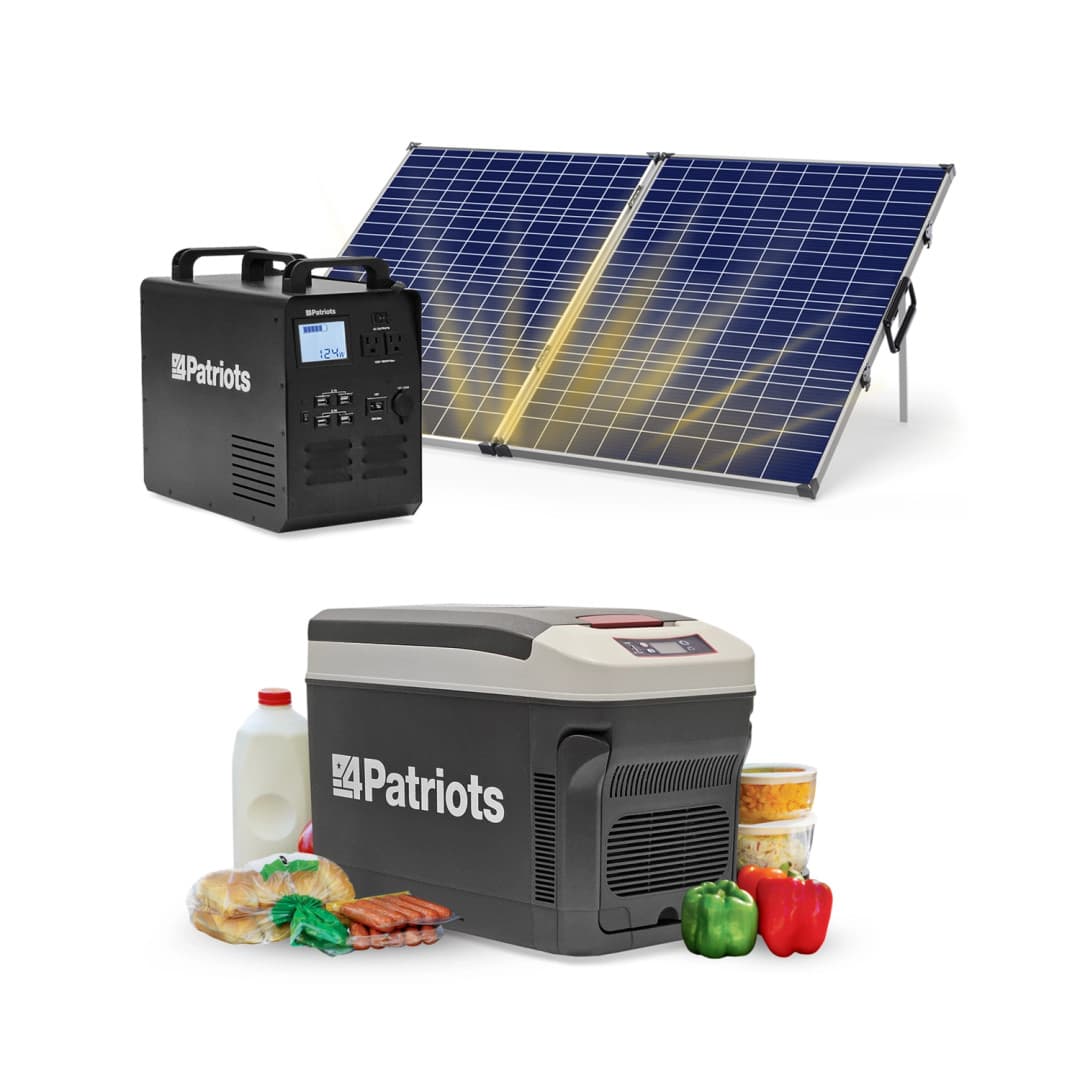
Portable solar generatorsare great for small fridges. They are light and easy to carry. Many models have enough power to keep your fridge running for hours. These are perfect for camping or short trips where you need power on the go.
High-capacity solar generatorshave large batteries and strong output. They can power bigger refrigerators for longer times. These models work well for home backup or long outdoor stays. They often include multiple outlets for other devices too.
Budget-friendly solar generatorsoffer good power without a high price. They suit small to medium fridges. These choices balance cost and performance, ideal for those on a tight budget. Many still provide reliable energy for daily needs.
Credit: 4patriots.com
Solar Panels And Setup
Choosing the right solar panelsis key to powering a refrigerator. The panel’s wattage must match the generator’s capacity. A solar panel that is too weak won’t charge the generator well. Too strong, and it might waste energy.
For installation:
- Place panels where they get direct sunlightmost of the day.
- Use sturdy mounts to keep panels steady.
- Keep panels clean for better energy absorption.
Panels should face the sun at a good angle. Adjusting them seasonally helps catch more light. Avoid shade from trees or buildings. More sunlight means more power for the fridge.
Maintenance And Longevity
Battery careis key to keep your solar generator working well. Always charge the battery fully and avoid letting it drain completely. Store the battery in a cool, dry place to prevent damage. Check the battery for corrosion and clean terminals regularly. Replace old batteries on time to avoid failure.
System troubleshootinghelps spot problems early. Listen for unusual noises and check for error lights on the generator. Inspect cables and connections for wear or damage. Reset the system if it stops working properly. Keep a manual handy to follow basic fixes.
Extending generator lifemeans following simple steps. Use the generator within its power limits. Keep it clean and free from dust. Avoid exposure to water and extreme heat. Run the generator regularly to keep parts moving smoothly. Schedule professional checkups for detailed care.
Cost And Savings Analysis
The initial costof a solar generator depends on its capacity and brand. A good model to power a refrigerator costs between $500 and $1500. This covers the generator, solar panels, and accessories. Installation may add extra charges.
Solar generators save money over time by reducing electricity bills. Using solar power means fewer costs for grid energy. Savings grow larger with higher electricity rates and frequent use.
| Incentive Type | Description | Benefit |
|---|---|---|
| Federal Tax Credit | Credit on federal taxes for solar purchases. | Up to 30% off the system cost. |
| State Rebates | Cash back or discounts from state programs. | Varies by state, often hundreds of dollars. |
| Utility Incentives | Credits or discounts from electric companies. | Lower upfront costs or bill credits. |
Common Challenges And Solutions
Power fluctuationscan cause refrigerators to stop or work poorly. Solar generators need to give steady powerto avoid damage. Using a generator with a pure sine wave inverterhelps keep power smooth and safe for your fridge.
Weather impactaffects solar generator output. Cloudy or rainy days lower power production. A larger solar panel or a battery with more capacity can store power for these times. This helps keep your refrigerator running without interruption.
- Load managementmeans controlling what devices run at once.
- Turn off other appliances when the fridge is running.
- This reduces power strainon the generator.
- Helps avoid power dropsthat can harm the fridge.

Credit: growattportable.com
Frequently Asked Questions
What Size Solar Generator Powers A Refrigerator?
A solar generator with at least 500-1000 watts can power most refrigerators. Check your fridge’s startup and running wattage. Larger fridges may need higher capacity generators for consistent power supply.
How Long Can A Solar Generator Run A Refrigerator?
The runtime depends on the generator’s battery capacity and fridge power use. Typically, a 1000Wh battery can power a fridge for 8-12 hours. Solar panels recharge the battery during daylight to extend runtime.
Can A Solar Generator Handle Refrigerator Startup Surge?
Yes, quality solar generators include surge protection. Refrigerators require 2-3 times more power at startup. Choose a generator with high surge wattage to safely handle this initial load.
Are Solar Generators Cost-effective For Running Refrigerators?
Solar generators have higher upfront costs but save money long-term. They reduce electricity bills and provide backup power during outages. Consider your usage and solar panel investment to evaluate cost-effectiveness.
Conclusion
Choosing the right solar generator can keep your fridge running smoothly. Consider the fridge’s size and power needs first. A generator with enough wattage and battery capacity works best. Portability and charging options matter too. This helps during power cuts or outdoor trips.
Solar generators offer a clean, quiet energy source. They save money on electricity bills over time. With the right choice, your food stays fresh anywhere. Simple steps lead to reliable power for your refrigerator.