
Are you tired of power outages or looking for a reliable way to keep your devices charged while off the grid? Choosing the right solar generator can feel overwhelming with so many options out there.
But finding the perfect match for your needs doesn’t have to be complicated. You’ll discover exactly what to consider when picking a solar generator that fits your lifestyle and power demands. Keep reading, and you’ll learn how to get the most efficient, cost-effective, and powerful solution tailored just for you.
Types Of Solar Generators
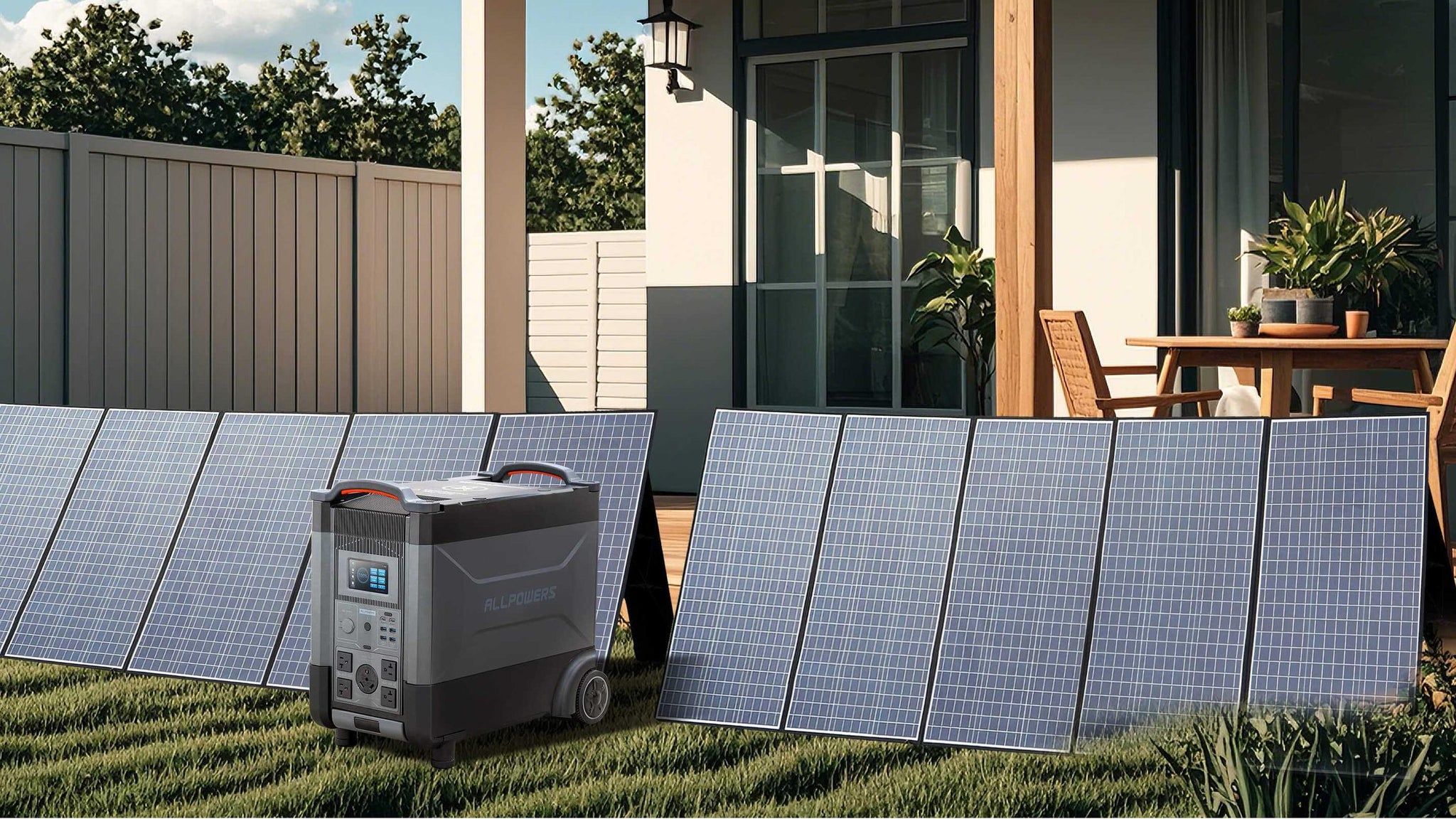
Portable solar generatorsare small and easy to carry. They work well for camping, hiking, and small outdoor trips. These generators store solar power in a battery and can charge phones, lights, or small devices. They usually have low power but great for short use.
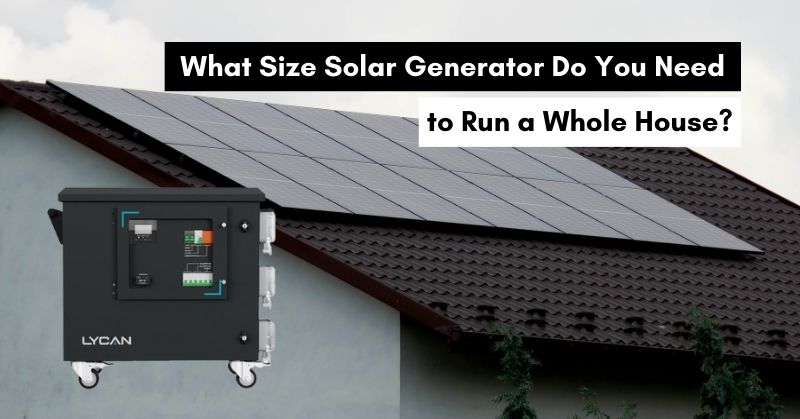
Home solar generatorsare larger and made to power a house or big appliances. They store more energy and can run lights, refrigerators, and even TVs during power cuts. These generators connect to solar panels on the roof and can save money on electricity bills.
Hybrid solar generatorscombine solar power with other power sources like gas or the electric grid. This makes them very reliable and able to work even when sunlight is low. They are good for homes or businesses that need power all the time without interruptions.
Key Features To Consider
Power capacityshows how much energy the solar generator can store and use. Choose one that matches your devices’ needs. Small devices need less power. Bigger tools or appliances require more.
Battery type and lifematter for how long the generator works and how fast it charges. Lithium batteries last longer and weigh less. Lead-acid batteries cost less but are heavier and shorter-lived.
Charging optionsinclude solar panels, wall outlets, and car chargers. Multiple options help keep the generator ready anywhere. Solar charging is slow but useful in emergencies.
Portability and weightaffect how easy it is to carry the generator. Lighter models suit camping or travel. Larger ones hold more power but can be heavy and hard to move.
Assessing Your Power Needs
Start by listing all devicesyou want to power with the solar generator. Focus on essential itemslike lights, phones, laptops, and small appliances.
Check each device’s power ratingin watts, usually found on labels or manuals.
| Device | Power Rating (Watts) | Estimated Usage Time (Hours) | Energy Needed (Wh) |
|---|---|---|---|
| LED Light | 10 | 5 | 50 |
| Phone Charger | 5 | 3 | 15 |
| Laptop | 50 | 4 | 200 |
Multiply power rating by hours used for each device. This gives energy needed in watt-hours (Wh).
- Add all energy values to get total daily energy consumption.
- Choose a solar generator that can supply this total energy.
Credit: www.renogy.com
Solar Panel Compatibility
Solar panelscome in different types, mainly monocrystalline and polycrystalline. Monocrystalline panels are more efficientbut cost more. Polycrystalline panels are less efficient but cheaper.
Panel sizeaffects the total power output. Bigger panels produce more power but need more space. The output is measured in watts (W).
Expandable systemslet you add more panels later. This helps if your power needs grow over time. Choose a solar generator that supports expansion to avoid extra costs later.
Battery Storage And Management
Battery capacityshows how much power a solar generator can store. It is measured in watt-hours (Wh). A larger capacity means the generator can power devices for longer. Choose a capacity that fits your daily energy needs.
| Battery Chemistry | Pros | Cons |
|---|---|---|
| Lead Acid | Low cost, easy to find | Heavy, shorter lifespan |
| Lithium-ion | Lightweight, longer life | Higher price |
| Lithium Iron Phosphate (LiFePO4) | Safe, stable, long-lasting | More expensive upfront |
To keep batteries healthy, avoid full discharges. Store in a cool, dry place. Charge regularly but do not overcharge. Proper care extends battery life and performance.
Inverter Specifications
Pure sine waveinverters create clean, smooth electricity. They work well with sensitive electronics like laptops and medical devices. Modified sine waveinverters are cheaper but may cause noise or damage in some devices.
Choosing the right inverter sizedepends on the total wattage of your devices. A bigger inverter can handle more power but may be less efficient at low loads.
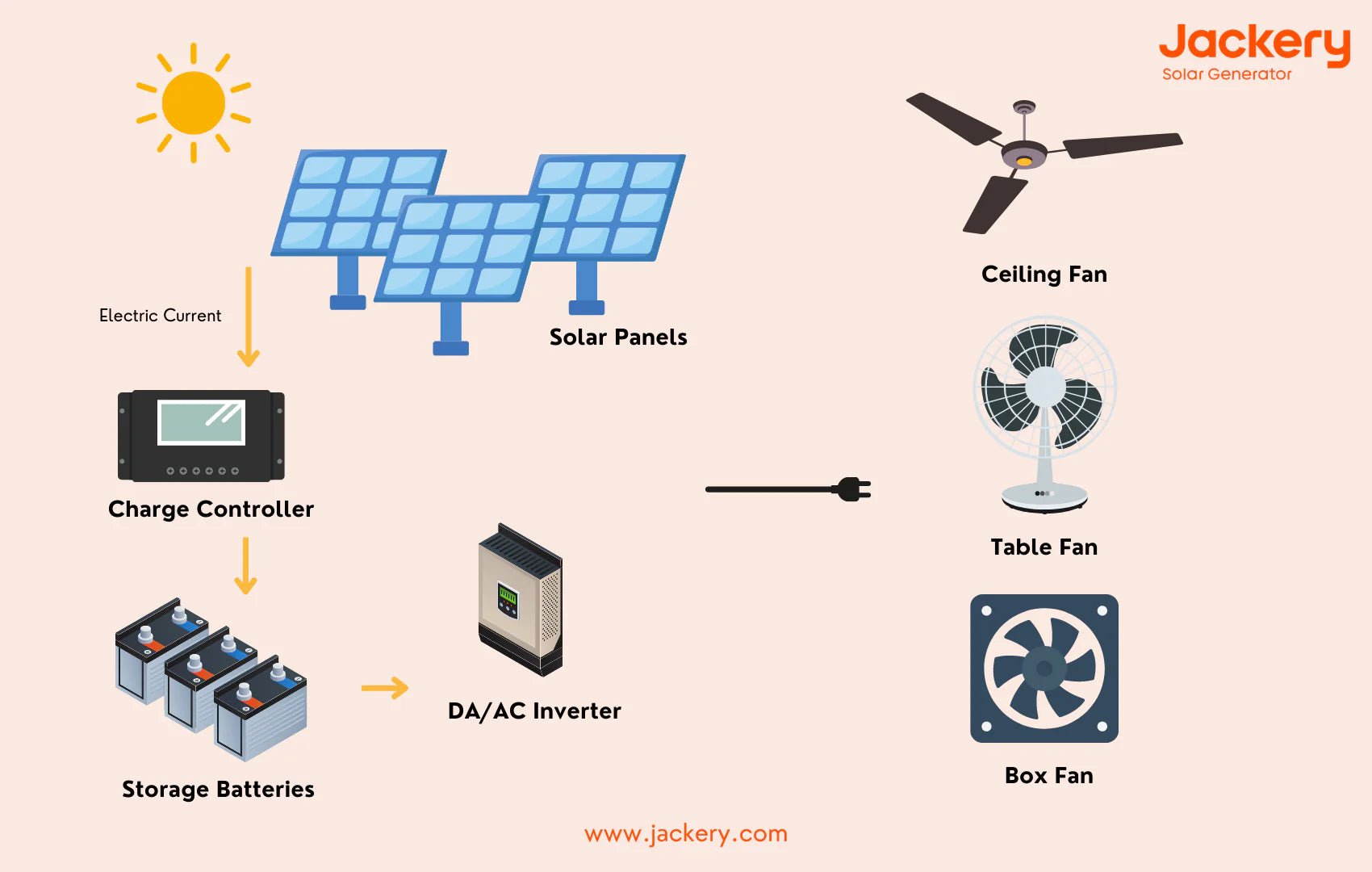
Efficiencymeans how well the inverter converts DC to AC power. Higher efficiency saves battery life and provides more usable power.
Budget And Warranty
Balancing cost and qualityis key when choosing a solar generator. A low price might mean less power or shorter life. A higher price often brings better parts and longer use. Choose a model that fits your budget but also lasts well.
Warranty coverageprotects your purchase. Look for warranties that cover at least 1-2 years. This saves money if repairs or replacements are needed. Some brands offer extended warranties for extra peace of mind.
Long-term savingscome from using a reliable solar generator. Good quality means fewer repairs and less replacement. It also provides steady power for years. Think about total costs, not just the price tag.
Credit: iallpowers.com
Top Brands And Models
Many popular solar generatorscome from trusted brands. Jackery, Goal Zero, and EcoFlow are well-known names. They offer models for camping, home backup, and outdoor use. These brands focus on battery capacity, portability, and charging speed.
| Brand | Model | Battery Capacity (Wh) | Weight (lbs) | Price Range |
|---|---|---|---|---|
| Jackery | Explorer 500 | 518 | 13.3 | $$ |
| Goal Zero | Yeti 400 | 428 | 29.5 | $$$ |
| EcoFlow | River 600 | 576 | 16.8 | $$$ |
Customer feedback highlights ease of useand reliability. Most users praise long battery life. Some mention the fast recharge timeas a plus. Weight is a concern for those carrying it far. Overall, the best choice depends on your needs and budget.
Installation And Maintenance Tips
Place the solar generatorin a spot with full sun. Avoid shadows from trees or buildings. Connect all cables tightly and double-check polarity. Use a level surface to prevent tipping or damage. Follow the user manual carefully for safe setup.
Keep the solar panels clean by wiping dust and dirt regularly. Check cables and connections every month. Replace worn parts quickly. Store the generator in a cool, dry place when not in use. Avoid exposure to rain or extreme heat.
| Issue | Cause | Fix |
|---|---|---|
| Low power output | Dirty panels or poor sunlight | Clean panels and move to sun |
| No charge | Loose connection or broken wire | Tighten cables or replace wire |
| Generator won’t start | Battery drained or faulty switch | Charge battery or check switch |
Credit: www.jackery.com
Frequently Asked Questions
What Size Solar Generator Do I Need For Home Use?
The size depends on your power needs. Calculate total wattage of devices. Choose a generator with capacity 20-30% higher than your total load for safety.
How Long Can A Solar Generator Power Appliances?
Runtime depends on battery capacity and appliance wattage. Higher capacity means longer power supply. Typical solar generators last 4-12 hours for small appliances.
Can A Solar Generator Power An Entire House?
Most portable solar generators power essential devices only. Whole-house solar generators exist but are costly. Assess your energy needs before deciding.
How Do I Calculate Solar Generator Wattage Requirements?
Add wattage of all devices you want to power. Multiply by hours of use. Choose a generator that can handle peak wattage and total energy.
Conclusion
Choosing the right solar generator is crucial for your needs. Assess your power requirements first. Consider the devices you will use. Match the generator’s wattage with your needs. Also, think about portability and battery capacity. Compare different models and brands.
Read customer reviews for real-world insights. Make an informed decision for reliable power. A suitable solar generator ensures energy independence. Enjoy the benefits of clean, renewable energy. It’s a smart, eco-friendly choice. Save money and protect the environment. Happy solar powering!