
Are you tired of losing power when you need it most? Imagine having a reliable source of energy that follows you everywhere, ready to keep your devices running smoothly.
That’s where solar generators and batteries come in. They offer a clean, quiet, and portable way to power your life—whether you’re camping, facing an emergency, or just want to save on electricity bills. You’ll discover exactly what solar generators and batteries are, how they work, and why they might be the perfect solution for your energy needs.
Keep reading to unlock the key to hassle-free power anytime, anywhere.
Solar Generators Basics
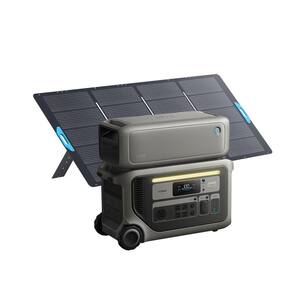
Solar generators collect energy from the sun using solar panels. These panels change sunlight into electricity. The electricity flows into a batterythat stores energy for later use.
Inside a solar generator, there are a few key components:
- Solar panels:Capture sunlight and create electricity.
- Battery:Stores energy for use when the sun is not shining.
- Inverter:Changes stored energy into power for devices.
- Charge controller:Protects the battery from overcharging.
Solar generators come in different types:
- Portable:Small and easy to carry for outdoor use.
- Home backup:Larger units for power during outages.
- Hybrid:Combine solar with other power sources.

Credit: ca.ecoflow.com
Solar Batteries Explained
Solar batteriesstore energy from the sun for use later. They help provide power when sunlight is not available.
There are different battery typesfor solar systems:
- Lead-acid batteries– common, affordable, but heavier and need maintenance.
- Lithium-ion batteries– lighter, last longer, and charge faster.
- Nickel-based batteries– less common, used in special cases.
| Aspect | Description |
|---|---|
| Capacity | Measured in amp-hours (Ah) or kilowatt-hours (kWh). It shows how much energy the battery can store. |
| Lifespan | Usually counted in cycles. More cycles mean longer use before replacement. |
| Charging | Batteries charge from solar panels during sunlight hours. |
| Discharging | Energy is used when solar power is not enough or at night. |
Choosing The Right Power Backup
Start by checking how much power you need. List the devices you want to run. Add their wattages to find total power use. Think about how long you want backup power to last. This helps pick a generator or battery with the right capacity.
Portable options are easy to move. Good for camping or short power cuts. Stationary types stay in one place. Better for long-term or heavy use. Choose based on where and how you will use it most.
| Budget Range | What You Get | Best For |
|---|---|---|
| Low | Basic models, limited power | Small devices, short use |
| Medium | Good power, more features | Home use, moderate needs |
| High | High capacity, long backup | Whole house, long outages |
Installation And Setup
Choose a flat, dry, and shaded areafor installation. The site should be close to your main power source. Ensure there is good ventilationto prevent overheating. Avoid placing the system near water or flammable materials.
Connect the solar generator and batteries using the cables provided. Make sure all connections are tight and secure. Match the positive and negative terminals correctly to avoid damage. Use proper connectorsand avoid loose wires.
- Always turn off the generator before connecting batteries.
- Wear insulated glovesto protect yourself.
- Keep the system away from children and pets.
- Do not connect damaged cables or batteries.
- Check connections regularly for safety and performance.
Maintenance And Troubleshooting
Solar generators and batteries need regular checks to keep working well. Simple fixes like cleaning connections and checking charge levels can prevent problems. Understanding basic maintenance helps extend their life and ensures reliable power.
Routine Checks
Check solar panels for dirt or debris. Clean with a soft cloth. Look for loose wires or damage. Make sure connections are tight. Test the battery voltage regularly. Ensure vents are clear for cooling. Keep the generator in a dry place. Inspect the inverter for signs of wear.
Common Issues And Fixes
- Battery not charging: Check solar panel connections and sunlight exposure.
- Generator not turning on: Test the power switch and fuse.
- Low power output: Clean solar panels and check wiring.
- Overheating: Ensure proper ventilation and avoid direct heat.
- Battery draining fast: Reduce device load or replace old battery.
Extending Battery Life
Avoid deep discharges; recharge the battery early. Store batteries in cool, dry places. Use the battery regularly to keep it active. Avoid exposing batteries to extreme heat or cold. Follow the manufacturer’s charging instructions carefully. Regularly check battery health and replace if needed.

Credit: www.jackery.com
Benefits Of Solar Power Backup
Solar power backuphelps reduce pollution. It uses sunlight, a clean energy source. This lowers carbon emissions and protects the planet.
Using solar energy saves money. No fuel costs and low maintenance make it cheap. Over time, bills go down. It is a smart way to cut expenses.
Solar backup gives energy independence. No need to depend on the grid. Power stays on during outages. Freedom from power cuts is a big benefit.
Real-world Applications
Solar generators and batteriesoffer clean power at home. They can run small appliances like lights, fans, and phones. These devices help save money on electricity bills. During power cuts, they keep important devices working. They are quiet and do not pollute.
For outdoor activities, solar generators are handy. Campers use them to charge phones and power lights. They make outdoor trips more comfortable. No need for noisy gas generators. Easy to carry and use anywhere.
In emergency situations, solar generators provide reliable power. They work even when the grid is down. Useful during storms, floods, or blackouts. They help keep communication devices alive. Can power medical devices or small heaters. A safe backup power source that runs on sunlight.
Credit: www.homedepot.com
Future Trends In Solar Backup
Solar generators and batteries are becoming more efficient and affordable. They store energy to power homes during outages. Future trends focus on longer battery life and faster charging.
Advancements In Battery Tech
Batteriesare getting smaller, cheaper, and last longer. New types use better materialsfor more power. This means solar systems can store more energy for use when the sun is down. Safety and charging speed also improve.
Integration With Smart Grids
Solar generators will work with smart grids. This helps balance energy use and supply. Homes can share power or sell extra energy back to the grid. It makes energy use efficientand reliable.
Innovative Solar Solutions
- Solar panels that track the sun for more energy
- Portable solar kits for easy use anywhere
- Solar-powered devices for homes and small businesses
Frequently Asked Questions
What Are Solar Generators And How Do They Work?
Solar generators convert sunlight into electricity using solar panels. They store energy in batteries for later use, providing clean, portable power without fuel or emissions.
How Long Do Solar Generator Batteries Last?
Solar generator batteries typically last 5 to 15 years. Lifespan depends on battery type, usage, and maintenance. Proper care extends battery life and efficiency.
Are Solar Generators Cost-effective Compared To Traditional Generators?
Solar generators have higher upfront costs but lower operating expenses. They save money over time by using free solar energy and require minimal maintenance.
Can Solar Generators Power Home Appliances During Outages?
Yes, solar generators can power essential home appliances during outages. Their capacity depends on battery size and power output, suitable for lights, fans, and small devices.
Conclusion
Solar generators and batteries offer clean, renewable energy solutions. They reduce electricity costs and provide backup during outages. Easy to install and maintain. Perfect for homes and small businesses. They help lower carbon footprints. A wise investment for a sustainable future.
Choosing the right system depends on your needs. Consider capacity, cost, and reliability. Understanding these factors ensures better decision-making. The shift to solar power is a step towards energy independence. Embrace this change for a greener tomorrow. Save money and the planet.
Start small, think big. Solar energy is more than just a trend. It’s the future.