Have you ever wondered where the electricity from solar power actually comes from? Understanding the source behind solar energy can change the way you see your electricity bill and your impact on the planet.
This knowledge puts you in control, helping you make smarter choices for your home and the environment. Keep reading, and you’ll discover the simple truth about how sunlight turns into the electricity powering your life.

Credit: www.arabnews.jp
Solar Energy Basics
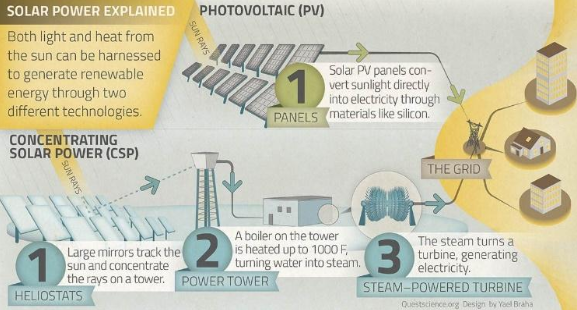
Solar power creates electricity by capturing sunlight with solar panels. These panels convert sunlight into energy that powers homes and devices. The sun acts as the natural source of this clean and renewable electricity.
Sunlight As A Power Source
Sunlightis the main source for solar power. It travels to Earth in the form of solar radiation. This energy is free and clean. Solar panels capture sunlight and turn it into electricity. The more sunlight hits the panels, the more electricity they make.
How Solar Radiation Works
Solar radiation is made of tiny packets called photons. When photons hit solar panels, they knock loose electrons in the panel’s material. This starts an electric current. The current flows through wires and powers homes and devices.
Credit: climate.mit.edu
Photovoltaic Technology
Solar cellsare made of materials like silicon. They absorb sunlight and create electricity. Each cell produces a small amount of power. Many cells combine to form a solar panel. Panels capture more sunlight and generate more electricity.
Sunlight hits the solar cells and excites electrons. This process is called the photovoltaic effect. Excited electrons move through the material, creating an electric current. This current flows out of the panel and can power homes or devices.
- Solar cells convert light energyinto electricity.
- Panels are made of many solar cells linked together.
- The photovoltaic effectmakes electrons move.
- This movement creates an electric currentto use as power.
Types Of Solar Power Systems
Grid-tied systemsconnect solar panels directly to the local power grid. They send extra electricity back to the grid for credit. These systems do not need batteries and are cost-effective for homes with reliable grid access.
Off-grid systemswork independently from the power grid. They use batteries to store energy for use at night or on cloudy days. These systems are common in remote places without grid access.
Hybrid systemscombine grid-tied and off-grid features. They can use the grid when solar power is low and store extra energy in batteries. This offers more reliability and energy independence.
Components Of Solar Power Generation
Solar panelscatch sunlight and turn it into electricity. They are made of many small cells called photovoltaic cells. These cells create direct current (DC) electricity from sunlight.
Inverterschange the direct current (DC) from solar panels into alternating current (AC). AC is the type of electricity used in homes and businesses.
Batteriesstore extra electricity for later use. This helps during night time or cloudy days when solar panels produce less power.
Mounting structureshold solar panels in place. They keep panels stable and at the right angle to catch the most sunlight.
Energy Flow In Solar Systems
Solar energy starts with sunlight. Solar panels capture sunlight using photovoltaic cells. These cells change light into electricity. This electricity is direct current (DC)at first. An inverter changes DC into alternating current (AC). AC power works in homes and businesses.
Electricity flows from panels to your electric panel. From there, it moves to appliancesand devices. Extra energy goes to the power gridor batteriesfor storage.
| Step | Process | Description |
|---|---|---|
| 1 | Sunlight Capture | Solar panels absorb sunlight using photovoltaic cells. |
| 2 | Electricity Conversion | DC electricity changes to AC via an inverter. |
| 3 | Power Use | Electricity powers home devices and appliances. |
| 4 | Storage & Distribution | Extra power stores in batteries or feeds the grid. |
Factors Affecting Solar Power Output
Weather conditionsplay a big role in solar power output. Sunny daysprovide more energy than cloudy or rainy days. Temperature also matters; very hot weather can reduce panel efficiency. Wind can help cool panels, improving performance.
Panel orientation and angleaffect how much sunlight panels catch. Panels should face the sun directly for best results. The angle depends on location and season. Proper setup can increase energy production.
Shading issuesreduce solar power significantly. Trees, buildings, or other objects can block sunlight. Even small shadows can lower output. Keeping panels free from shadeis important for steady energy.
Environmental Impact Of Solar Energy
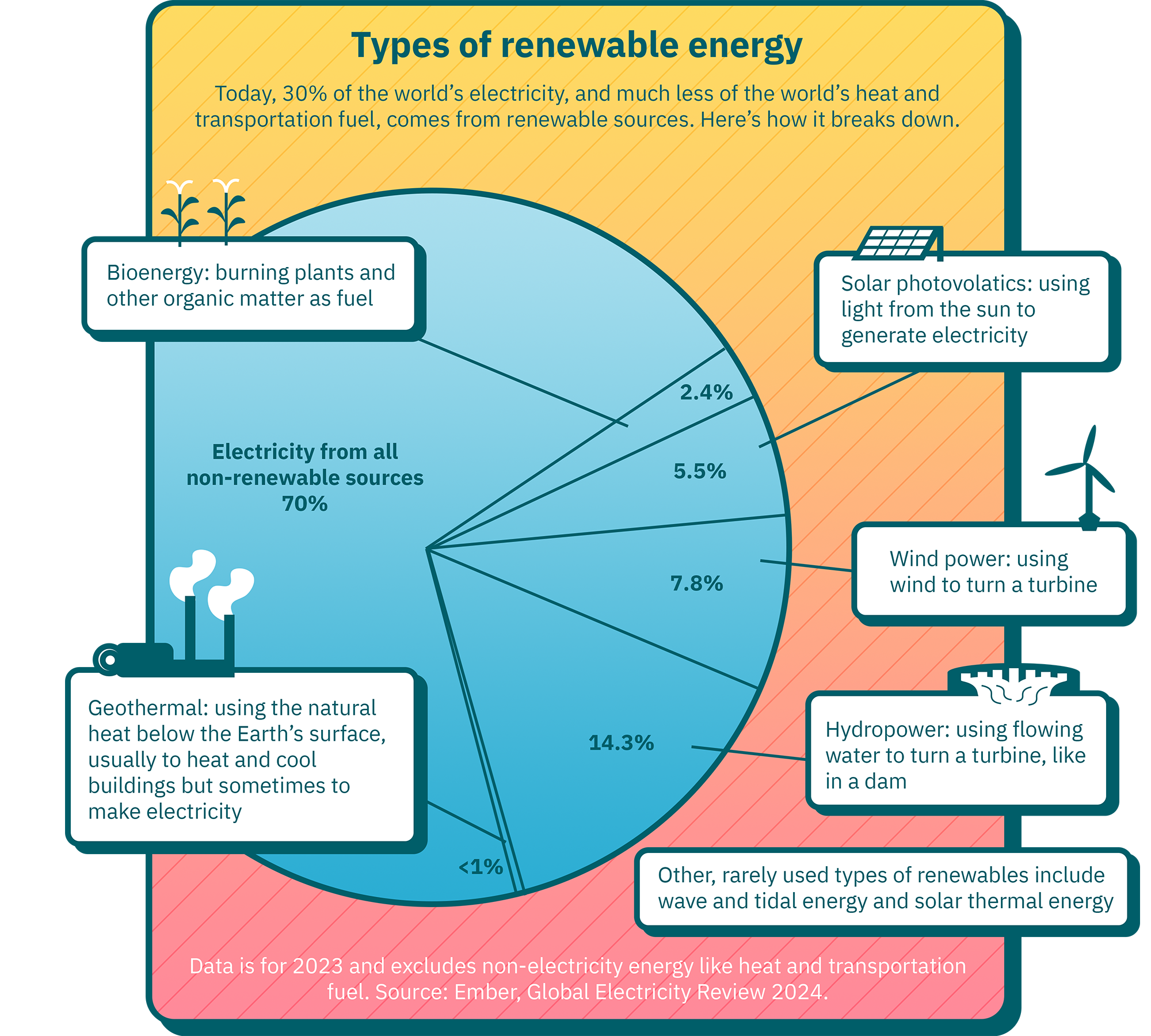
Solar energyhelps lower the amount of carbon dioxide in the air. This is because it does not burn fossil fuels. Fossil fuels release harmful gases that warm the planet.
Using solar power means fewer greenhouse gases. This helps fight climate change. It also means cleaner air and better health for everyone.
- Solar poweruses sunlight, a renewable and endless resource.
- It reduces the need for coal and oil, which are bad for Earth.
- Solar panels last long and need little maintenance.
- They create energy quietly without pollution.

Credit: www.sciencedirect.com
Future Trends In Solar Power
Solar technologyis getting better and cheaper every year. Panels now capture more sunlight using new materials. Thin, flexible panels can fit on curved surfaces.
Smart gridshelp connect solar power to homes and cities. They balance energy supply and demand quickly. This makes solar energy more reliable and reduces waste.
- Solar cells improve efficiency with new designs.
- Energy storage solutions like batteries are advancing fast.
- Smart grids allow easy sharing of solar power.
- Remote monitoring helps maintain solar systems better.
Frequently Asked Questions
What Source Does Solar Power Use To Generate Electricity?
Solar power uses sunlight as its primary energy source. Photovoltaic cells convert sunlight directly into electricity efficiently and cleanly.
How Do Solar Panels Convert Sunlight Into Electricity?
Solar panels contain photovoltaic cells that absorb sunlight. These cells generate electric current by exciting electrons within the material.
Can Solar Power Generate Electricity On Cloudy Days?
Solar panels produce less electricity on cloudy days but still generate some power. Diffused sunlight enables partial energy conversion.
Why Is Solar Energy Considered A Renewable Source?
Solar energy is renewable because sunlight is abundant and inexhaustible. It produces clean electricity without depleting natural resources.
Conclusion
Solar power is a clean and renewable energy source. It harnesses sunlight to generate electricity. This process reduces reliance on fossil fuels. Solar panels capture sunlight and convert it into energy. They work efficiently in sunny regions. Even on cloudy days, they generate some electricity.
Embracing solar power helps the environment. It decreases greenhouse gas emissions. Solar energy is sustainable and cost-effective. It lowers electricity bills over time. Investing in solar power benefits both individuals and the planet. Consider making the switch to solar energy today.
It’s a step towards a greener future.