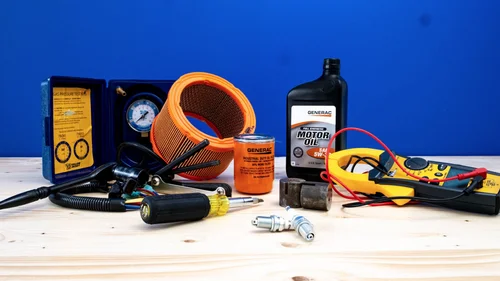
When was the last time you checked on your generator? If you’re like most people, it’s probably been a while.
Generators are a lifeline during power outages, yet they often get neglected until they fail when you need them most. The good news is that keeping your generator in top shape doesn’t have to be a daunting task. With the right tools, you can ensure it runs smoothly and reliably whenever the lights go out.
In this guide, we’ll walk you through the essential tools needed for effective generator maintenance. You’ll discover how a few simple items can make a world of difference in extending the life of your generator and ensuring peace of mind. Don’t let a preventable issue leave you in the dark; read on to equip yourself with the knowledge and tools you need.

Credit: www.alibaba.com
Basic Hand Tools
Screwdrivers and wrenchesare essential for loosening and tightening screws and bolts. A good set includes flathead and Phillips screwdrivers, plus adjustable and fixed-size wrenches.
Pliers and wire cuttershelp grip, twist, and cut wires during generator repairs. Needle-nose pliers are handy for tight spaces, and wire cutters cleanly cut electrical wires.
Socket setsmake it easy to remove or install nuts and bolts of various sizes. They save time and effort compared to regular wrenches.
- Flathead and Phillips screwdrivers
- Adjustable and fixed wrenches
- Needle-nose and regular pliers
- Wire cutters for clean cuts
- Socket sets with multiple sizes

Credit: www.cummins.com
Cleaning Supplies
Brushes and ragsare essential for keeping your generator clean. Soft brushes help remove dust and dirt from hard-to-reach places. Rags are good for wiping surfaces and drying parts after cleaning. Use clean rags to avoid spreading grime.
Cleaning solutionsshould be mild and safe for metal and plastic parts. Avoid harsh chemicals that can damage the generator. A simple mix of soap and water often works well. Always apply solutions with a cloth or sponge, not by spraying directly.
Compressed airis useful to blow out dust from tight areas. It keeps the engine and vents clear to prevent overheating. Use short bursts to avoid damaging sensitive parts. Wear safety glasses to protect your eyes.
Testing Instruments
Multimeterscheck voltage, current, and resistance in generators. They help find electrical issues quickly. Digital multimeters are easy to read and use.
Voltage testersmeasure voltage presence safely. They confirm if power flows through wires or parts. Simple and effective for quick checks.
Fuel pressure gaugesmonitor fuel system pressure. Proper fuel pressure keeps the generator running well. Low or high pressure signals possible problems.
Lubrication And Fluids
Engine oilkeeps the generator’s engine parts moving smoothly. It stops parts from wearing out quickly. Changing the oil filterhelps keep oil clean and the engine safe. Always use the right type of oil and filter made for your generator model.
Coolantsstop the engine from getting too hot. They flow through the engine and take heat away. Check coolant levels often and refill with the right mix of water and coolant. Use only coolants that fit your generator’s needs.
- Grease gunshelp put grease on moving parts.
- Grease stops parts from rubbing hard and breaking.
- Regular greasing keeps the generator running well.
Replacement Parts
Spark plugsneed regular checks and replacement. Dirty or worn plugs cause poor engine start and low power. Keep a few spare plugs that fit your generator model.
Belts and hoseswear out over time. Cracks or frays can stop the generator from working. Always have extra belts and hoses ready to swap when needed.
Fuses and batteriesare key for safety and power. Blown fuses stop electricity flow, and dead batteries prevent starting. Store replacements that match your generator’s specs.
Safety Gear
Wearing glovesprotects your hands from cuts and burns. Eye protectionlike safety goggles stops dust and sparks from hurting your eyes. Both are very important for safe work.
Hearing protectionsuch as earplugs or earmuffs helps reduce loud noise from the generator. This prevents ear damage during maintenance.
Fire extinguishersmust be nearby. Generators use fuel, which can catch fire. Having a fire extinguisher ready keeps the area safe and helps control small fires fast.
Storage And Organization
Keeping tools in a sturdy toolboxprotects them from damage and loss. Toolboxes help you carry and store items easily. Choose a toolbox with compartments to separate different tools.
- Labeling systemsmake finding tools quick and simple.
- Use clear labels or color codes on drawers and shelves.
- This reduces time spent searching for specific parts.
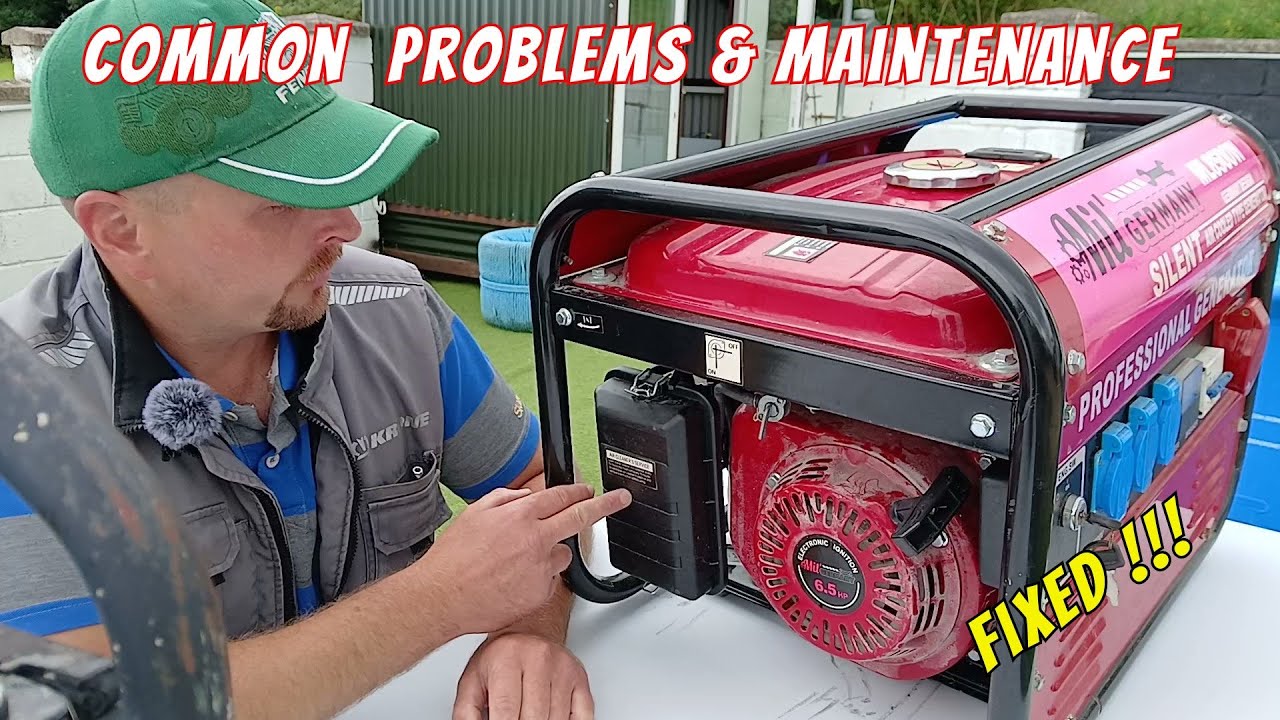
Maintenance logs track the work done on your generator. Writing down dates, tasks, and results keeps records organized. This helps spot patterns and plan future upkeep.
Credit: www.youtube.com
Frequently Asked Questions
What Basic Tools Are Essential For Generator Maintenance?
Basic tools include screwdrivers, wrenches, pliers, and a multimeter. These help with tightening, adjustments, and electrical testing. Having these tools ensures you can perform routine checks and minor repairs efficiently.
How Often Should Generator Tools Be Inspected?
Inspect your generator tools before each maintenance session. Regular checks prevent tool damage and ensure safety. Clean and replace worn tools to maintain effective generator servicing.
Can I Use Standard Tools For Generator Maintenance?
Yes, standard hand tools work well for most tasks. However, specialized tools like oil filter wrenches improve efficiency. Use the right tools to avoid damage and ensure proper generator care.
Why Is A Multimeter Important For Generator Maintenance?
A multimeter measures voltage, current, and resistance accurately. It helps diagnose electrical issues and verify generator output. Using a multimeter ensures your generator runs safely and efficiently.
Conclusion
Keeping your generator in good shape needs the right tools. Basic tools like wrenches, screwdrivers, and oil filters are essential. A multimeter helps check electrical parts easily. Regular checks prevent bigger problems and save money. Simple tools make maintenance faster and safer.
Stay prepared with these tools to keep power steady. Small effort today means reliable power tomorrow.