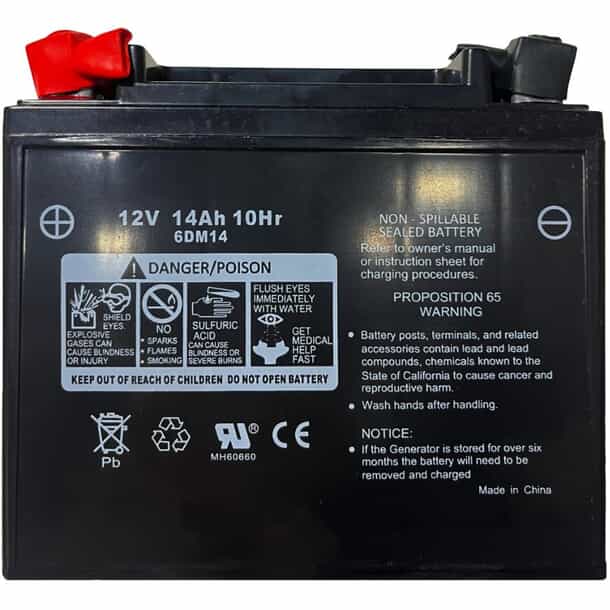
Are you wondering what type of battery your generator needs to start smoothly and keep running reliably? Choosing the right battery is more important than you might think.
The wrong one can leave you stranded when you need power the most. You’ll discover exactly which battery fits your generator, how to pick the best option, and simple tips to make your generator last longer. Keep reading to make sure your generator is always ready when you need it.
Credit: www.homehardware.ca
Types Of Generator Batteries
Lead-acid batteriesare common for generators. They are cost-effective and reliable. These batteries need maintenance like checking water levels. They work well in cold weather but are heavy and bulky.
Lithium-ion batteriesare lighter and last longer. They charge quickly and need less upkeep. These batteries are more expensive but offer high energy density. Good for portable and modern generators.
Nickel-cadmium batterieshandle extreme temperatures well. They have a long life and fast charging. But they are costly and contain toxic materials. Proper disposal is important.
Gel cell batteriesuse a gel electrolyte instead of liquid. They are sealed and maintenance-free. These batteries resist vibration and work in deep discharge. Ideal for harsh environments.
Credit: www.homehardware.ca
Key Battery Specifications
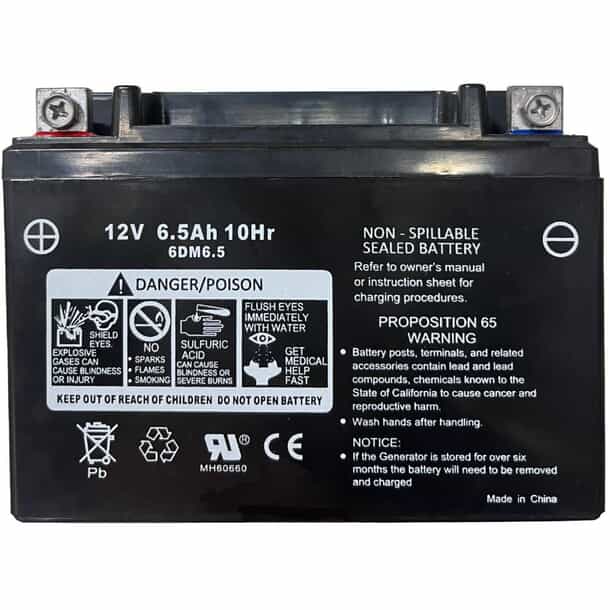
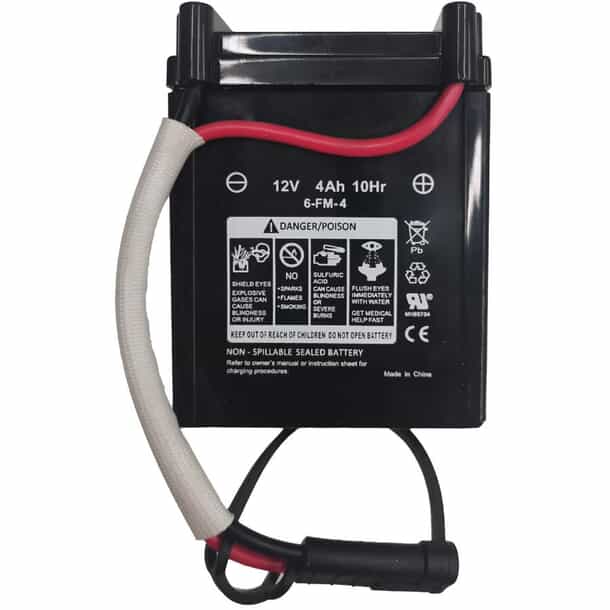
Voltage and capacityare key for a generator battery. The voltage must match the generator’s requirements, usually 12 volts. Capacity, shown in amp-hours (Ah), tells how long the battery can power the generator. A higher Ah means longer power.
Cold Cranking Amps (CCA)measure the battery’s ability to start the generator in cold weather. A battery with a higher CCA can start the engine easier in low temperatures.
Reserve Capacityshows how long the battery can run the generator without the engine. It is measured in minutes. A higher reserve capacity means more backup power during outages.
Battery size and fitmatter for installation. The battery must fit securely in the generator’s battery box. Check the dimensions and terminal layout before buying.
Battery Compatibility With Generators
Starting batteriesare designed to deliver a quick burst of power. They help the generator’s engine start quickly. These batteries have many thin plates. They work best for short, powerful energy needs.
Deep cycle batteriesgive a steady amount of power over a long time. They have thicker plates and can be drained and recharged many times. Best for running the generator for hours.
| Generator Type | Battery Type Needed | Reason |
|---|---|---|
| Portable Generators | Starting Battery | Needs quick power to start engine |
| Standby Generators | Deep Cycle Battery | Runs for long periods during outages |
| Inverter Generators | Starting Battery | Compact and quick start requirement |
Match battery voltage with the generator engine’s needs. Use a 12V battery for most small engines. Larger engines may need 24V. Check the generator’s manual for correct specs.
Battery Maintenance Tips
Keep the battery chargedregularly, even if the generator is unused. Store batteries in a cool, dry place to avoid damage. Use a smart chargerto prevent overcharging, which can shorten battery life.
Clean battery terminals often to remove dirt and corrosion. Use a mixture of baking soda and water for safe cleaning. Check cables for cracks or loose connections. This helps maintain good electrical contact.
Extend battery life by avoiding deep discharges. Start the generator monthly to keep the battery active. Keep the battery dry and shielded from extreme temperatures. Proper maintenance ensures reliable starts and longer battery life.
Signs You Need To Replace Your Battery
Slow startingof the generator can mean the battery is weak. The engine may take longer to turn on or fail to start at all. This happens because the battery can no longer provide enough power quickly.
Corrosion and leaksaround battery terminals are clear signs of trouble. White or greenish powder build-up can block the connection. Leaks may damage other parts and cause short circuits.
Reduced power outputmeans the battery cannot hold a full charge. The generator might run but with less strength or stop suddenly. This shows the battery is losing its ability to store energy.

Credit: www.amazon.ca
Choosing The Best Battery Brand
Top battery brandsoffer different features and prices. Choosing the right one depends on your needs and budget. Some brands provide longer battery life, while others focus on fast chargingor durability.
| Brand | Battery Life | Durability | Price Range | Warranty |
|---|---|---|---|---|
| Brand A | Up to 5 years | High | $$$ | 3 years |
| Brand B | 3-4 years | Medium | $$ | 2 years |
| Brand C | 2-3 years | Low | $ | 1 year |
Good warranty and supportare very important. A longer warranty means the company trusts its product. Fast customer support helps fix problems quickly.
- Compare price and performance carefully.
- More expensive batteries may last longer.
- Cheaper options can save money but may wear out fast.
- Think about how often you use the generator.
Installation And Safety Tips
Secure the batteryfirmly to avoid movement during operation. Connect the positive cablefirst, then the negative cable. Check for clean, tight connections to prevent sparks or loose contacts. Use insulated tools for safety.
Remove old batteries carefully. Recycle or disposeof them at a proper facility. Avoid throwing batteries in trash. They contain harmful chemicals.
- Wear gloves and eye protection when handling batteries.
- Keep batteries away from open flames or sparks.
- Do not touch both terminals with bare hands at the same time.
- Charge batteries in a well-ventilated area.
- Store batteries in a cool, dry place to extend life.
Frequently Asked Questions
What Type Of Battery Powers Most Generators?
Most generators use 12-volt lead-acid batteries. These batteries provide reliable power for starting the engine. They are durable and widely available, making them ideal for generator use.
How Long Do Generator Batteries Usually Last?
Generator batteries typically last 3 to 5 years. Lifespan depends on usage, maintenance, and charging habits. Proper care can extend battery life significantly.
Can I Use A Lithium Battery In A Generator?
Yes, lithium batteries can be used in generators. They offer longer life and lighter weight. However, they may require compatible charging systems and higher initial costs.
Why Is Battery Size Important For Generators?
Battery size affects starting power and performance. A correctly sized battery ensures quick engine starts and reliable operation. Using the wrong size can damage the battery or generator.
Conclusion
Choosing the right battery for your generator is crucial. It ensures optimal performance and longevity. Different generators need different batteries. Know your generator’s requirements first. This helps avoid costly mistakes. Lead-acid batteries are common and reliable. Lithium-ion batteries offer longer life but cost more.
Regular maintenance extends battery life. Check voltage and clean terminals often. This keeps your generator ready. Always have a backup plan. A spare battery can save the day. Proper battery care ensures your generator runs smoothly. Stay prepared and informed for peace of mind.