
Have you ever wondered what type of energy comes from the sun and how it powers your home or devices? Understanding the kind of energy generated through solar power can change the way you think about electricity and your energy bills.
You’ll discover the science behind solar energy and how it transforms sunlight into the power you rely on every day. Keep reading to unlock the secrets of solar energy and see how it can impact your life in surprising ways.
Solar Energy Basics
Solar energy comes from the sun’s light and heat. The main sources include sunlight, infrared radiation,and ultraviolet rays. These energies travel millions of miles to reach Earth. Plants, solar panels, and solar thermal systems use this energy in different ways.
Solar energy is captured using special tools. Solar panelsabsorb sunlight and turn it into electricity. Solar thermal collectorscapture heat to warm water or air. Some devices focus sunlight with mirrors or lenses to create more heat. This heat can power engines or generate electricity.

Credit: www.reliance-foundry.com
Types Of Energy From Solar Power
Solar Thermal Energyuses sunlight to heat liquids or air. This heat can warm buildings or water. It is simple and useful for homes and businesses.
Photovoltaic Energycomes from solar panels. They change sunlight into electricity. This energy powers homes, schools, and even cars. It is clean and easy to use.
Concentrated Solar Poweruses mirrors to focus sunlight on a small area. This heat turns water into steam. The steam drives turbines to make electricity. It works well for large power plants.
Solar Thermal Energy Uses
Solar thermal energyuses the sun’s heat to perform many tasks. It is mainly used for heating, electricity, and industrial work.
Heating applicationsinclude warming homes and water. Solar water heaters use sunlight to heat water directly. This saves energy and lowers bills.
Electricity generationhappens in solar power plants. Mirrors focus sunlight to heat a fluid. This hot fluid makes steam that turns turbines to create electricity.
Industrial processesuse solar heat for drying, cooking, and sterilizing. Factories can use solar energy to reduce fossil fuel use. It helps cut pollution and costs.
Photovoltaic Energy Explained
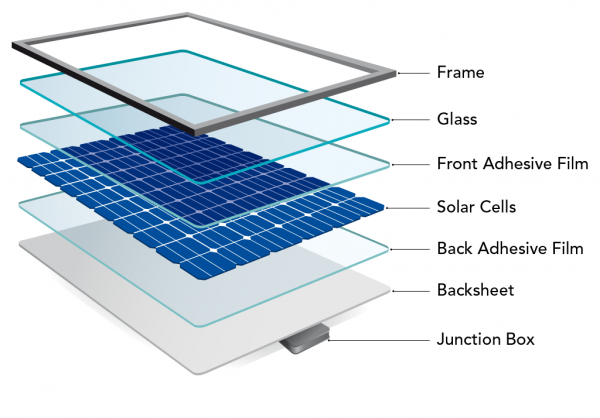
Solar cellsturn sunlight into electricity. They use a special material called semiconductor. When sunlight hits the cell, it moves tiny particles called electrons. This movement creates electricity. Many solar cells join to make a solar panel. This panel then produces power for homes or devices.
- Silicon: The most common material, good at absorbing sunlight.
- Glass: Protects the solar cells from weather.
- Metal frames: Hold the panels together safely.
- Plastic layers: Keep the panel strong and waterproof.
| Factor | Effect on Efficiency |
|---|---|
| Sunlight intensity | More sunlight means more power. |
| Temperature | High heat can lower solar panel output. |
| Angle of panels | Correct tilt increases sunlight capture. |
| Shading | Shade on panels reduces electricity production. |
Concentrated Solar Power Systems
Concentrated Solar Power (CSP) systemsuse mirrors to focus sunlight. This creates heat that drives turbines to make electricity. Different types of CSP technologies capture sunlight in unique ways.
- Parabolic Troughs:Curved mirrors focus sunlight on a tube with fluid.
- Power Towers:Many mirrors reflect sunlight to a central tower.
- Dish Stirling:Dish-shaped mirrors focus sunlight on an engine.
- Linear Fresnel:Flat mirrors focus sunlight on tubes above them.
Energy storage in CSP helps use power at night. Common options include:
- Molten salt tanks store heat for later use.
- Battery systems store electricity directly.
- Thermal storage keeps heat in insulated containers.
| Advantages | Challenges |
|---|---|
| Can produce electricity even when sun is low. | High initial cost for building plants. |
| Uses clean, renewable sunlight energy. | Needs large, sunny areas to work well. |
| Energy storage allows power on demand. | Complex technology requires regular maintenance. |

Credit: www.reliance-foundry.com
Benefits Of Solar Energy
Solar energy produces clean electricity by converting sunlight into power. This energy type reduces pollution and saves money on bills. It uses natural sunlight, making it a renewable and reliable energy source.
Environmental Impact
Solar energyreduces pollution by using the sun’s power. It does not produce harmful gases that hurt the air. This helps keep the Earth clean and safe for animals and people. Solar power also uses less water than other energy types, saving a precious resource. It helps reduce the damage caused by climate change.
Cost Savings
Using solar energy cuts down electricity bills. After installing solar panels, the sun provides free power. Maintenance costs are low, making it a smart choice. Over time, savings add up, helping families and businesses.
Energy Independence
Solar energy allows homes to make their own power. This means less need to buy electricity from others. It helps protect against power outages and price changes. People can have more control over their energy use.
Future Trends In Solar Energy
Innovations in solar technologyfocus on making panels cheaper and more efficient. New materials like perovskite help capture more sunlight. Transparent solar cells can be used on windows. Flexible panels fit on curved surfaces, expanding use in many places.
Integration with smart gridsallows better control of energy flow. Solar power can be stored in batteries and used when needed. Smart grids balance energy supply and demand to avoid waste. This makes solar energy more reliable and stable.
| Region | Solar Energy Use | Growth Rate |
|---|---|---|
| Asia | High use in China and India | Fastest growth |
| Europe | Strong adoption in Germany, Spain | Steady growth |
| North America | Growing use in USA and Canada | Moderate growth |
| Africa | Rising projects in sunny countries | Increasing growth |
Credit: medium.com
Frequently Asked Questions
What Type Of Energy Does Solar Power Create?
Solar power primarily generates electrical energy by converting sunlight into electricity using photovoltaic cells. It can also produce thermal energy for heating purposes.
How Is Solar Energy Converted Into Electricity?
Solar panels absorb sunlight and convert it into direct current (DC) electricity. An inverter then changes DC into usable alternating current (AC).
Can Solar Energy Produce Heat As Well?
Yes, solar thermal systems capture sunlight to generate heat for water heating or space heating in buildings efficiently.
Is Solar Energy Considered Renewable And Clean?
Absolutely. Solar energy is renewable, abundant, and produces no harmful emissions, making it a clean and sustainable power source.
Conclusion
Solar energy offers a clean, renewable power source for everyone. It generates electricity by converting sunlight into energy. This process reduces carbon emissions and supports a sustainable future. Solar panels are easy to install and maintain. They provide power to homes, businesses, and even remote areas.
Choosing solar energy can save money on electric bills. It also decreases reliance on fossil fuels. With solar power, we move towards a greener planet. A brighter, healthier world awaits us all. Embrace the sun’s power and contribute to a sustainable future.