
Have you ever wondered what type of energy you get when you use solar power? Understanding this can change how you think about the sun’s power and your energy choices.
When you tap into solar energy, you’re not just saving money—you’re unlocking a clean, powerful force that can transform your home or business. Keep reading, and you’ll discover exactly how solar energy works and why it’s one of the smartest energy sources you can use today.
This knowledge could help you make better decisions for your future and the planet.
Basics Of Solar Energy
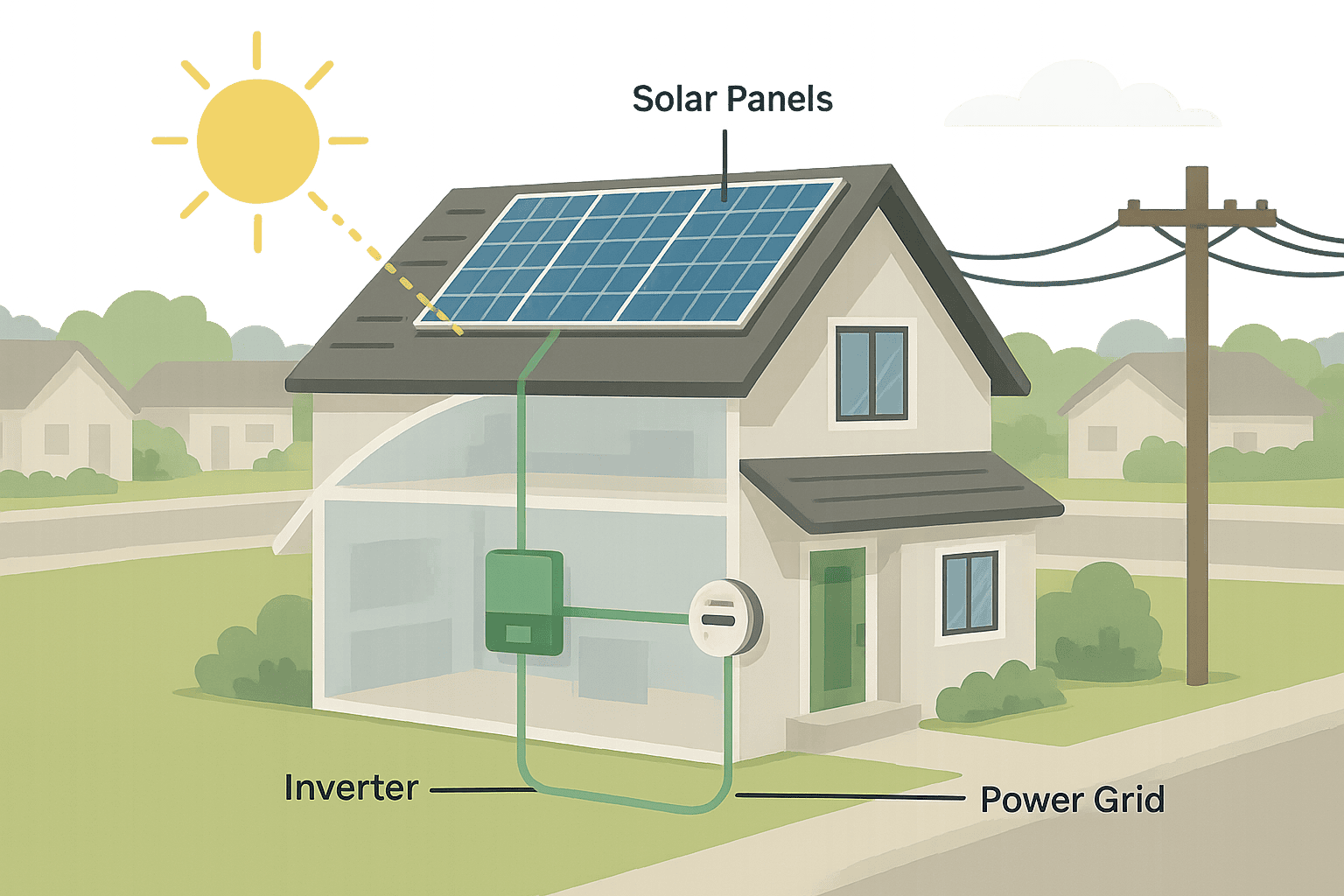
Solar energy comes from the sun’s radiation. This radiation carries tiny particles called photons. Photons hit solar panels and create electricity. This is called the photovoltaic effect. Solar panels have many solar cellsmade of materials like silicon. When photons hit these cells, they knock loose electrons. Moving electrons produce direct current (DC) electricity. An inverter changes DC into alternating current (AC) electricity. AC electricity powers homes and buildings.
Solar radiation includes:
- Visible light– we can see this light
- Ultraviolet light– invisible, can cause sunburn
- Infrared light– felt as heat
Solar panels mostly use visible light photonsto make electricity. The more sunlight, the more energy they produce.

Credit: www.electronicsandyou.com
Types Of Energy Produced
Electrical energyis produced by photovoltaic (PV) cells. These cells change sunlight directly into electricity. Solar panels are made of many PV cells. They are used in homes, schools, and businesses to provide power. This energy is clean and does not pollute the air.
Thermal energycomes from solar heating. It uses sunlight to heat water or air. Solar water heaters use this energy for showers or heating rooms. It helps save money on gas or electricity bills.
Mechanical energyis made in some solar applications. For example, solar-powered machines use sunlight to move parts. This energy can help pump water or run small devices. It is useful in places without electricity.
Photovoltaic Energy Conversion
Semiconductor materialslike silicon are key to solar energy. These materials absorb sunlight and create electric charges. They have special layers called p-typeand n-typethat help move these charges.
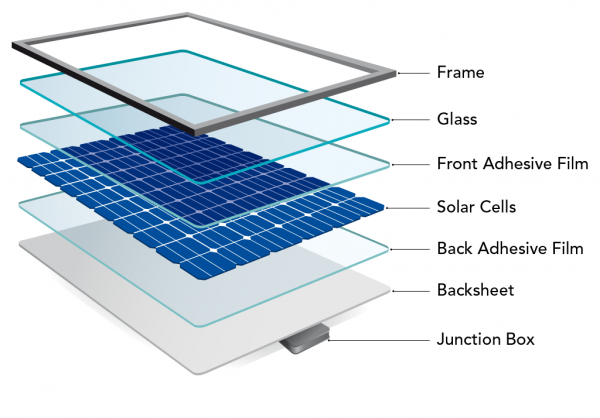
The photovoltaic cell structureincludes a glass cover, semiconductor layers, and metal contacts. The glass protects the cell. The layers catch sunlight and create electricity. Metal contacts carry the electric current out.
The energy conversion processstarts when sunlight hits the cell. Light energy makes electrons move in the semiconductor. These moving electrons create an electric current. This current is direct current (DC) electricity. It can be used to power homes or charge batteries.
Credit: medium.com
Solar Thermal Energy Generation
Solar collectorscapture sunlight to produce heat. They come in different types. Flat-plate collectors are common. They have a dark surface to absorb sunlight. Evacuated tube collectors use glass tubes to reduce heat loss. Concentrating collectors focus sunlight on a small area to create high temperatures.
These collectors change sunlight into solar thermal energy. This energy heats water or air for use in homes and buildings.
- Heating water for homes and pools
- Space heating in buildings
- Powering steam turbines in solar power plants
- Industrial process heat
Energy Storage And Efficiency
Battery storagekeeps solar energy for use at night or cloudy days. Common options include lithium-ion, lead-acid, and flow batteries. Each type has different costs, lifespan, and capacity.
| Battery Type | Advantages | Disadvantages |
|---|---|---|
| Lithium-ion | High energy density, long life | Expensive, sensitive to temperature |
| Lead-acid | Low cost, widely available | Shorter lifespan, heavier |
| Flow batteries | Good for large storage, long cycle life | Complex system, higher initial cost |
Solar panel efficiency improves by cleaning panelsand reducing shade. Using MPPT controllersalso boosts power output. Proper installation anglehelps capture more sunlight.
Environmental And Economic Benefits
Solar energyhelps to reduce carbon footprintby using sunlight to make electricity. This process does not create harmful gases like coal or oil. It keeps the air cleaner and helps fight climate change.
Using solar power also leads to cost savings. Once solar panels are installed, electricity bills go down. Many places offer incentives and tax creditsto help pay for solar systems. This makes solar energy more affordable for many people.
Future Trends In Solar Energy
Solar energyis evolving with new technologies to boost its use. Emerging technologiesinclude better solar panels that catch more sunlight. These panels are cheaper and last longer. Some use materials that work even on cloudy days.
Smart gridshelp connect solar power to homes and cities. They manage energy flow, saving power and cutting costs. Smart grids allow easy sharing of energy between users. This makes the system more efficientand reliable.
- New solar panels use advanced materials
- Smart grids support better energy management
- Energy storage improves with better batteries
- Integration allows real-time monitoringof energy use
Credit: amptcalgaryelectricians.com
Frequently Asked Questions
What Type Of Energy Does Solar Power Generate?
Solar power primarily generates electrical energy. It converts sunlight into electricity using photovoltaic cells or solar panels. This clean energy reduces reliance on fossil fuels and lowers carbon emissions.
How Is Solar Energy Converted To Usable Power?
Solar panels absorb sunlight and convert it into direct current (DC) electricity. An inverter then changes DC into alternating current (AC), which powers homes and businesses efficiently.
Is Solar Energy Considered Renewable Energy?
Yes, solar energy is renewable. It relies on the sun’s constant radiation, which won’t deplete over time. This makes it a sustainable and eco-friendly power source.
Can Solar Energy Generate Heat Instead Of Electricity?
Yes, solar thermal systems capture sunlight to produce heat. This heat can warm water or air for residential and commercial use, complementing electrical solar power.
Conclusion
Solar energy generates clean, renewable power. It reduces carbon footprints. This energy type is sustainable and abundant. Sunlight transforms into electricity through solar panels. It’s a reliable energy source for homes and businesses. Solar power contributes to a greener planet.
It supports energy independence. The sun’s energy is free and plentiful. Using solar energy saves money over time. It’s a step towards a sustainable future. Embracing solar energy benefits the environment. It promotes a healthier planet for future generations. Investing in solar power is a wise choice.
Think solar, act green.