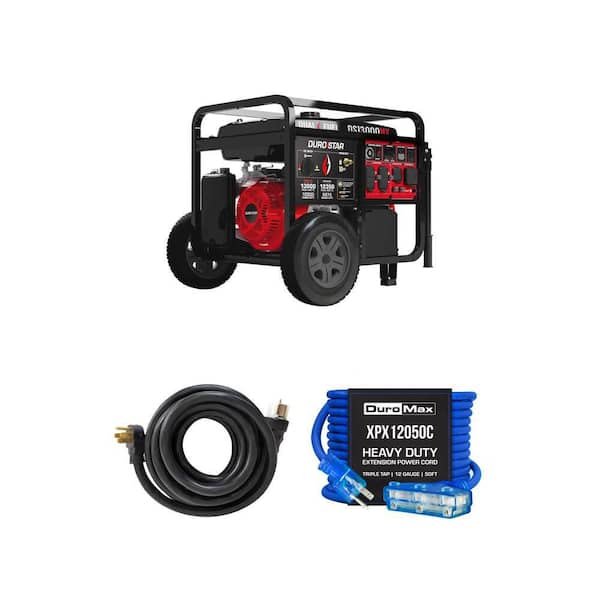
Imagine you’re in the middle of a power outage or setting up for a weekend camping trip. Your dual fuel generator is ready to go, promising to keep your lights on and devices running.
But wait—do you know what type of extension cord you need to safely and effectively connect your equipment? Choosing the right extension cord isn’t just a matter of convenience; it’s crucial for safety and performance. The wrong choice could lead to equipment failure or even pose a fire hazard.
You need the right information to make a smart decision. You’ll discover exactly what you should look for in an extension cord for your dual fuel generator. By the end, you’ll feel confident in selecting the perfect match, ensuring that your power needs are met without a hitch. Ready to make the right choice? Let’s dive in.
Credit: m.vevor.com
Choosing The Right Extension Cord
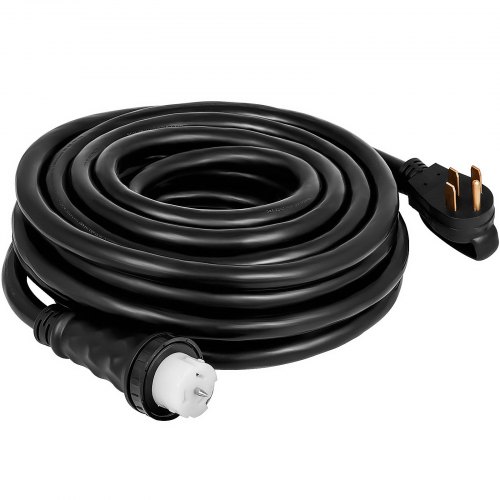
Selecting the correct extension cord for a dual fuel generator is crucial. Ensure it matches the generator’s wattage and outlet type. Opt for heavy-duty cords with adequate length and durable insulation for safety and efficiency.
Gauge And Length Considerations
Choosing the right gaugefor an extension cord is crucial. A lower gauge number means a thicker cord. Thicker cords handle more power. For dual fuel generators, use a cord between 10 to 12 gauge. Length matters too. Longer cords reduce power. Keep cords under 100 feet if possible.
Cord Material And Durability
The material of the cord affects its durability. Look for cords with a rubber or vinyl jacket. These materials resist wear and tear. They also handle outdoor conditions well. A durable cord lasts longer and keeps you safe. Check the cord for any visible damages. Replace damaged cords immediately.
Credit: www.homedepot.com
Understanding Dual Fuel Generators
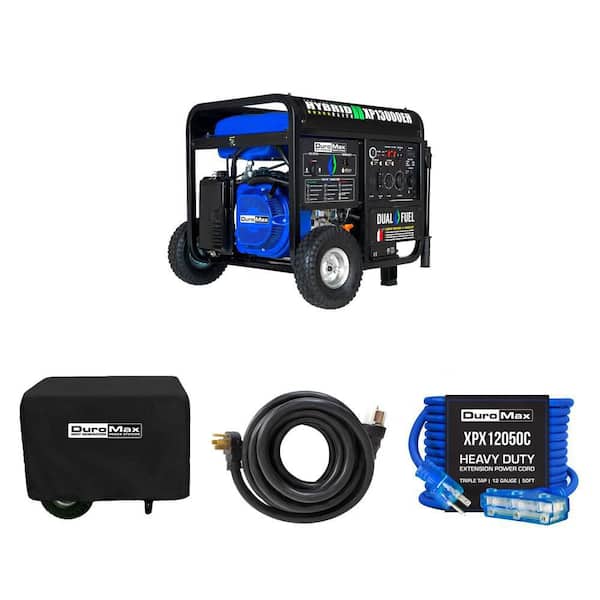
Dual fuel generatorswork with two types of fuel. They use gasoline and propane. This gives more choices. It helps in emergencies. These generators are very flexible. They have two fuel tanks. Switch from one fuel to another easily.
- Dual fuel option for flexibility
- Longer runtime with propane
- Easy switch between fuels
- Lower emissions with propane
- Cost-effective fuel choices
Check the generator’s power rating. This tells how much power it gives. Choose a cord that matches the rating. Make sure the cord is heavy-duty. It should handle high power. Look for cords with thick wires. This helps in safe power transfer. Always use cords with proper length. Too long cords lose power.
Safety Tips For Using Extension Cords
Choosing the right extension cord for a dual fuel generator is crucial for safety. Opt for cords with heavy-duty, outdoor-rated insulation to handle high power loads. Ensure the cord’s gauge matches the generator’s wattage to prevent overheating and potential fire hazards.
Avoiding Overloading
Always use the right extension cord for your generator. Check the cord’s wattage rating. Make sure it matches the generator’s output. An overloaded cord can be dangerous. It can cause fires or damage equipment. Use a cord that is heavy-duty. A thicker cord handles more power. This keeps everything safe and working well.
Proper Storage And Maintenance
Keep cords in a dry place when not in use. This prevents damage from water or moisture. Roll cords properly to avoid tangles. Tangles can cause the cord to break. Check cords for wear and tear often. Look for cuts or exposed wires. Replace damaged cords immediately. Safe cords keep your generator running smoothly.
Top Extension Cord Brands
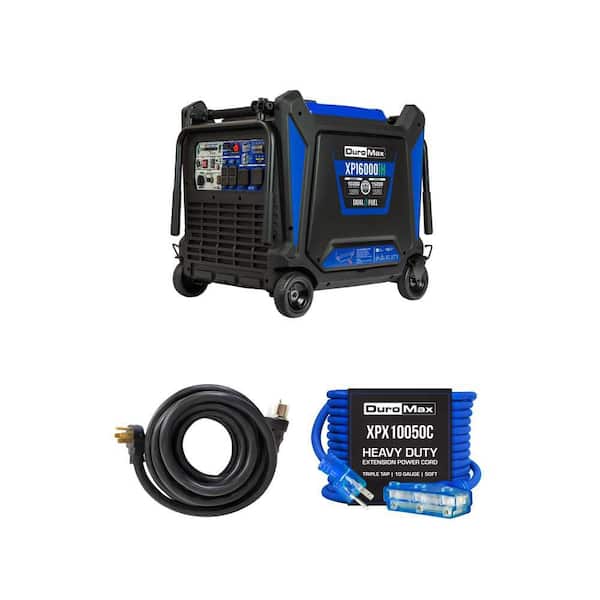
Many brands offer extension cords for dual fuel generators. Some popular ones include Champion Power Equipment, Westinghouse, and Duromax. Each brand has unique features and benefits. Champion cords are known for their durability. Westinghouse offers cords with longer lengths. Duromax focuses on affordabilitywithout compromising quality.
Users often recommend Champion for heavy-duty use. They mention its sturdy buildand reliability. Westinghouse receives praise for its flexibilityand ease of use. Many users like Duromax for its budget-friendlyoptions. Reviews suggest checking the cord’s lengthand thicknessfor optimal performance. Always read user reviews before buying. This helps in making a smart choice.
Environmental Considerations
Choosing the right extension cord for a dual fuel generator is crucial. Use heavy-duty cords designed for outdoor use. Ensure they have sufficient gauge to handle the generator’s wattage safely.
Energy Efficiency
Choose an extension cord that saves energy. This means it uses less power. Cords with thicker wires waste less energy. This helps the generator work better. Using a shorter cord also saves energy. It reduces the distance electricity travels. Saving energy is good for the environment.
Sustainable Materials
Some extension cords are made from eco-friendly materials. Look for cords that are recyclable. This helps reduce waste. Some cords use less plastic. This helps protect nature. Choose cords that last long. Durable cords need fewer replacements. This reduces waste over time. Caring for the planet is important.
Credit: www.homedepot.com
Frequently Asked Questions
Do Generators Require Special Extension Cords?
Yes, generators require special extension cords. Use heavy-duty, outdoor-rated cords with sufficient amperage. Ensure cords are long enough and have three-pronged plugs. This prevents overheating and reduces safety hazards. Always choose cords specifically designed for generator use to ensure optimal performance and safety.
What Extension Cord Should I Use For My Generator?
Use a heavy-duty extension cord rated for outdoor use with your generator. Choose a cord with a sufficient gauge, ideally 10 or 12 AWG, to handle the generator’s power output. Ensure the cord length suits your needs, but shorter cords minimize voltage drop and improve efficiency.
Which Is Better, A 12 Gauge Or 14 Gauge Extension Cord?
A 12 gauge extension cord is better for higher power needs. It handles more current and is suitable for longer distances. Use a 14 gauge cord for lighter, shorter tasks. Always check your device’s power requirements to choose the right cord.
What Should Never Be Plugged Into An Extension Cord?
High-power appliances like refrigerators, microwaves, and space heaters should never be plugged into extension cords. These devices require stable voltage and can overload circuits, leading to fire hazards. Always plug these appliances directly into wall outlets to ensure safety and avoid potential electrical issues.
Conclusion
Choosing the right extension cord is crucial for safety. Dual fuel generators need durable cords. Ensure the cord matches the generator’s power output. This prevents overheating and potential hazards. Check for the correct gauge and length. Heavy-duty cords are often the best choice.
Look for weather-resistant options for outdoor use. Always read the manufacturer’s guidelines. This helps maintain the generator’s efficiency. Safe usage ensures reliable power during emergencies. Make informed decisions to protect your investment. Your safety matters most.