
Have you ever wondered what type of solar energy powers your home or gadgets? Understanding the kind of solar energy generated can help you make smarter choices for your energy needs.
Whether you’re curious about how sunlight turns into electricity or how it heats your water, this article will clear up the mystery. By the end, you’ll know exactly how solar energy works and how it can benefit you every day.
Keep reading to unlock the secrets behind the energy that’s free, clean, and all around you.
Credit: infomineo.com
Solar Energy Basics
Solar energy is made when sunlight hits solar panels. These panels change sunlight into electricity. The power made is called solar power. It is clean and safe for the earth.
The main parts of a solar system include:
- Solar panels:Catch sunlight and turn it into energy.
- Inverter:Changes energy from panels to usable electricity.
- Battery:Stores extra power for later use.
- Charge controller:Protects the battery from overcharging.
These parts work together to give homes and buildings power from the sun.
Photovoltaic Solar Power
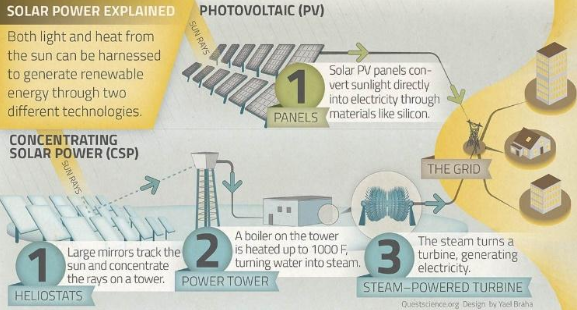
Solar panelsturn sunlight into electricity. They are made of many small parts called photovoltaic cells. These cells absorb sunlight and create electric power. The power flows through wires to homes or machines.
Photovoltaic cells come in different types. Each type works a bit differently and suits different uses. Some types are better for big fields, while others are good for small gadgets.
| Type of Photovoltaic Cell | Main Feature | Common Use |
|---|---|---|
| Monocrystalline | High efficiency | Residential rooftops |
| Polycrystalline | Lower cost | Large solar farms |
| Thin-film | Flexible and lightweight | Portable devices |
- Power homes and buildings
- Charge batteries in remote places
- Run small devices like calculators
- Help power electric cars
Solar Thermal Energy
Concentrated Solar Power (CSP) systemsuse mirrors or lenses to focus sunlight. This focused light heats a fluid, creating steam. The steam then drives a turbine to produce electricity. CSP plants are often large and work best in sunny, open areas.
Solar water heatinguses sunlight to heat water directly. Panels on rooftops collect heat and transfer it to water tanks. This method saves energy and lowers utility bills. It is common in homes and small businesses.
Industrial uses of solar thermalinclude heating for factories and processing plants. Solar thermal energy can power machines or dry products. It reduces the need for fossil fuels and cuts costs. Many industries use it to save energy and protect the environment.
Emerging Solar Technologies
Perovskite solar cellsare a new type of solar panel. They use a special material that is cheap and easy to make. These cells can absorb more sunlight than regular solar panels. They are lightweight and flexible, which means they can be used in many places.
Floating solar farmsare solar panels placed on water bodies like lakes or reservoirs. This helps save land space and keeps the panels cool, so they work better. They also reduce water evaporation and help protect the water from algae growth.
Building-integrated photovoltaics (BIPV)are solar panels built into roofs, walls, or windows. They serve as part of the building structure and generate electricity at the same time. BIPV helps save space and looks nice on buildings.
Environmental Impact
Solar energyhelps to reduce carbon emissions. It produces clean power without burning fuels. This means less air pollution and a smaller carbon footprint. Using solar energy lowers harmful gases that cause climate change.
Solar farms need land and resources. Choosing unused or less fertile land helps protect nature. Solar panels can be placed on rooftops to save space. This reduces the impact on farms and forests.
Recycling solar panelsis important. Old panels contain valuable materials like glass and metal. Recycling these parts saves resources and cuts waste. It helps keep the environment clean and supports a circular economy.

Credit: www.electronicsandyou.com
Future Of Solar Energy
Innovations in storageare making solar energy more reliable. New batteries store energy for use at night or on cloudy days. These batteries last longer and charge faster. This helps homes and businesses use solar power anytime. Scientists also explore other storage methods like pumped hydro and thermal storage.
Grid integration challengesinclude balancing power supply and demand. Solar energy can be unpredictable because of weather changes. Power grids must adapt to this change. Smart grids and better forecasting tools help manage solar energy flow. Upgrading infrastructure is needed to handle more solar power safely.
Global adoption trendsshow more countries using solar energy. Costs have dropped, making solar panels affordable. Many governments support solar with incentives and laws. Solar energy is growing fast in Asia, Europe, and the Americas. People choose solar for clean energy and lower bills.
Credit: arka360.com
Frequently Asked Questions
What Types Of Solar Energy Are Commonly Generated?
Solar energy mainly generates two types: photovoltaic (solar electric) and solar thermal energy. Photovoltaic converts sunlight into electricity. Solar thermal captures heat for water or space heating. Both types offer renewable, clean energy solutions for homes and industries.
How Is Photovoltaic Solar Energy Produced?
Photovoltaic solar energy is produced when sunlight hits solar panels. Panels contain semiconductor materials that convert light into electric current. This electricity powers homes, appliances, and businesses efficiently without pollution.
What Is Solar Thermal Energy Used For?
Solar thermal energy is primarily used for heating water and buildings. It captures sunlight’s heat through collectors. This heat is transferred to water or air, reducing reliance on fossil fuels and cutting energy costs.
Can Solar Energy Generate Electricity At Night?
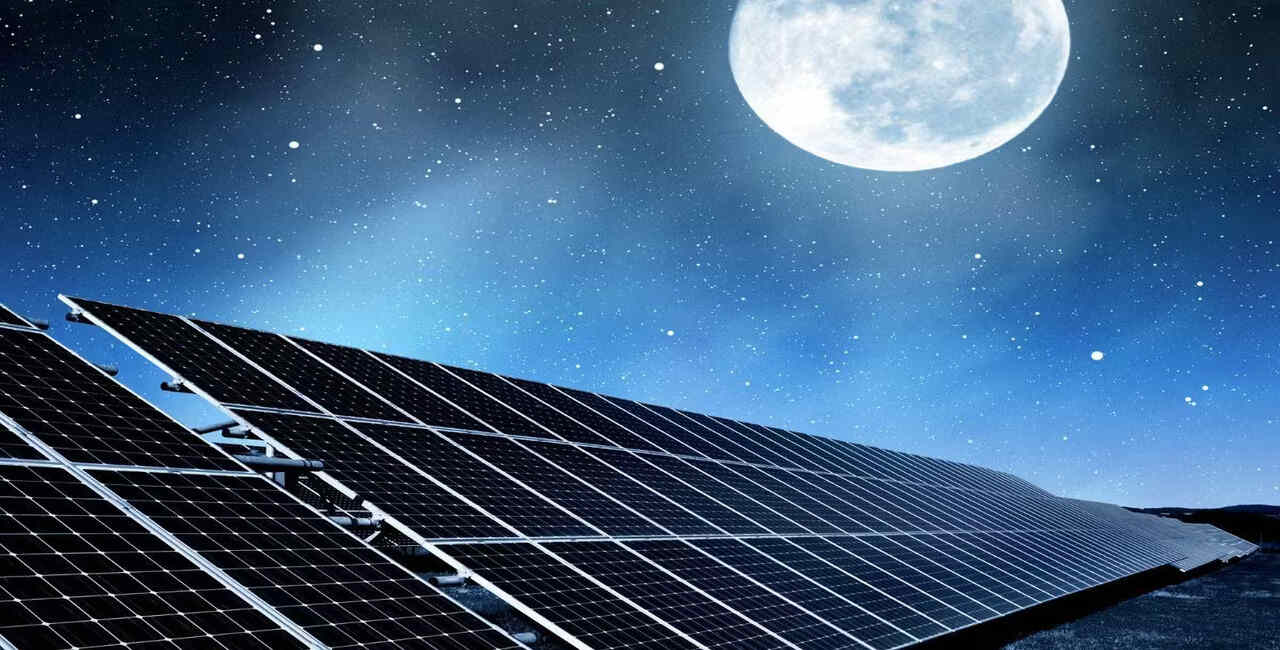
Solar panels do not generate electricity at night. They rely on sunlight to produce power. However, energy storage systems like batteries store excess solar power for nighttime use, ensuring continuous electricity supply.
Conclusion
Solar energy offers diverse options for clean power. Photovoltaic panels capture sunlight. Thermal systems use heat. Each type suits different needs. Choosing the right one depends on your goals. Location matters too. Sun availability can influence energy output. Cost is another factor to consider.
Solar power reduces carbon footprint. It’s a sustainable choice for the future. Transitioning to solar can save money over time. Learn more about each type. Make informed decisions. Embrace renewable energy for a greener planet. Solar energy is a wise investment.
It’s an eco-friendly step forward.