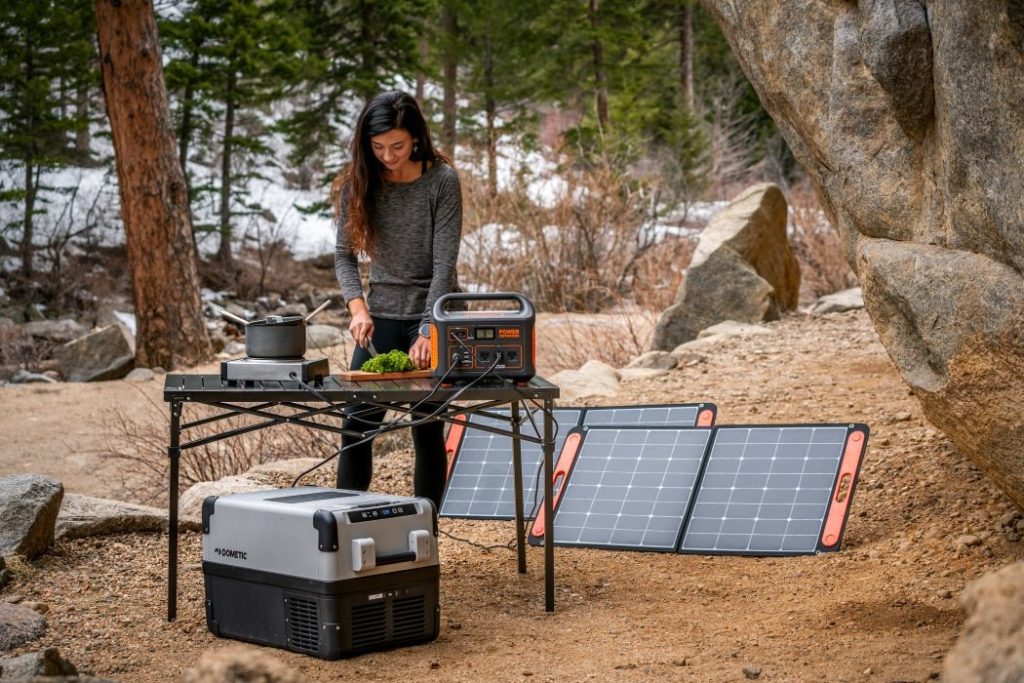
Are you wondering how to keep your refrigerator running smoothly during a power outage or off-grid adventure? Choosing the right solar generator can make all the difference.
But with so many options out there, it’s easy to feel overwhelmed. This guide will help you understand exactly what type of solar generator fits your fridge’s needs, so you never have to worry about spoiled food again. Keep reading, and you’ll discover simple tips to pick the perfect solar generator that powers your fridge efficiently and reliably.
Solar Generators Basics
A solar generatoruses sunlight to create electricity. It stores energy to power devices like a refrigerator. The main parts are:
- Solar panels: Capture sunlight and turn it into electricity.
- Battery: Stores the electricity for later use.
- Inverter: Changes stored energy into a form the refrigerator can use.
- Charge controller: Protects the battery from overcharging.
Solar panels collect energy during the day. The battery keeps power for night or cloudy days. The inverter makes sure power fits the refrigerator’s needs.
Knowing these parts helps to pick the right solar generator. It must supply enough power to keep the refrigerator running smoothly.

Credit: generatorpeak.com
Power Needs Of Refrigerators
Most refrigerators use between 100 and 800 wattswhile running. Small fridges need less power, about 100-200 watts. Larger models can use up to 800 wattsor more.
Refrigerators need extra power when they start. This is called starting poweror surge power. It can be 2 to 3 timesthe running power.
| Type of Refrigerator | Running Power (Watts) | Starting Power (Watts) |
|---|---|---|
| Mini Fridge | 100 – 150 | 200 – 450 |
| Standard Fridge | 200 – 400 | 400 – 900 |
| Large Fridge | 400 – 800 | 800 – 1600 |
- Running poweris the energy used during normal operation.
- Starting poweris the extra energy needed to start the compressor.
- Solar generators must supply both typesof power.
Choosing The Right Solar Generator
Calculate the energy your refrigerator uses. Check its wattage on the label. Most fridges use between 100 to 800 watts. Multiply watts by hours used daily for total watt-hours.
Battery size matters. A bigger battery capacitymeans longer runtime. Pick a battery that stores more than your fridge needs for a day. Lead-acid or lithium batteries work well.
Look for an inverterthat matches your fridge’s power needs. It should handle surge powerwhen the fridge starts. Choose a pure sine wave inverter for safe operation.
| Specification | Details |
|---|---|
| Fridge Power | 100-800 Watts |
| Battery Capacity | Enough for 24+ hours use |
| Inverter Type | Pure Sine Wave |
| Surge Capacity | At least 2x fridge wattage |

Credit: iallpowers.com
Types Of Solar Generators
Solar generators vary by power output and battery capacity. A high-capacity generator with a strong battery suits running a refrigerator efficiently. Portable and home solar generators are common choices for reliable fridge operation.
Portable Solar Generators
Portable solar generatorsare small and easy to carry. They use solar panels to charge a battery. These generators work well for camping and short power outages. They can run a refrigerator but only smaller models or for a short time. Portability makes them a good choice for travel or outdoor use.
Home Backup Solar Systems
Home backup solar systemshave larger batteries and more power. They connect to many solar panels on a roof or yard. These systems can run a full-size refrigerator all day and night. They also power other home devices. They provide a reliable power source during long outages.
Hybrid Solar Generators
Hybrid solar generatorscombine solar power with other energy sources. They use solar panels and sometimes fuel or grid power. This makes them very reliable for running refrigerators. They switch power sources automatically. Hybrids are good for places with less sun or longer power needs.
Features To Consider
Portability and sizematter a lot. A compact generator fits well in small spaces. Easy to carry means you can move it where needed. Weight is important if you travel often. Bigger models usually store more power but are heavy.
Charging optionsgive you flexibility. Some solar generators charge with solar panels only. Others accept wall outlets and car chargers too. Multiple charging methods keep your fridge running longer. Faster charging is better for quick power.
Durability and weather resistanceensure long use. A strong case protects the generator from bumps. Water and dust resistance help in outdoor use. Look for models with good ratings for rain and dust. This keeps your fridge safe in all conditions.
Installation And Setup Tips
Connect the solar generator directly to the refrigerator’s power input. Use the correct adapter or inverter to match voltage and power needs. Make sure all connections are tight and secure to avoid power loss or damage.
Place solar panels where they get the most sunlight. Avoid shadows from trees, buildings, or other objects. Panels should face south in the northern hemisphere for best results.
Keep solar panels clean. Dirt and dust reduce their power output. Clean panels gently with water and a soft cloth.
| Tip | Why It Matters |
|---|---|
| Use correct adapters | Prevents damage and ensures efficient power delivery |
| Place panels in full sun | Maximizes energy collection for longer refrigerator run time |
| Keep panels clean | Maintains panel efficiency by removing dust and debris |
| Secure all connections | Stops power loss and avoids electrical hazards |
Maintaining Your Solar Generator
Proper battery careis key to keep your solar generator working well. Avoid letting the battery drain completely. Charge it regularly to maintain power. Store the battery in a cool, dry place. High temperatures can reduce battery life. Check battery terminals for corrosion or loose connections. Clean terminals with a soft cloth if needed.
Regular system checks help catch problems early. Inspect cables for wear or damage. Test the output power to ensure the generator runs smoothly. Look for unusual sounds or smells during operation. Keep solar panels clean for better energy capture. Simple care extends the life of your solar generator.
Cost And Budgeting
Initial investmentfor a solar generator varies by capacity and brand. Small units cost less but may not run large refrigerators. Larger systems have higher prices but provide stable power for longer periods. Consider the size and power needs of your refrigerator before buying.
Long-term savingscome from lower electricity bills and fewer power outages. Solar generators reduce reliance on the grid, saving money over time. Maintenance costs are usually low compared to fuel-powered generators. Investing upfront can lead to steady savings.
Common Challenges And Solutions
Power fluctuationscan cause your refrigerator to stop or work poorly. A solar generator with a built-in inverterhelps keep the power steady. This protects the fridge from sudden voltage changes. Use a generator with a pure sine wave inverterfor the best results.
On overcast days, solar panels produce less energy. This means the generator may not fully charge. To handle this, choose a solar generator with a large battery capacity. This stores extra energy from sunny days. Another option is to have a backup power sourcelike a small gas generator.

Credit: growattportable.com
Frequently Asked Questions
What Size Solar Generator Runs A Refrigerator Efficiently?
A solar generator with at least 400-600Wh capacity can run a standard fridge. It should provide 100-200 watts continuously. Larger fridges need bigger generators to maintain efficiency and avoid power shortages.
How Long Can A Solar Generator Power A Refrigerator?
A solar generator powers a fridge for 4-8 hours on average. It depends on generator capacity, fridge size, and energy consumption. Larger battery capacity extends running time significantly.
Can A Solar Generator Handle A Refrigerator’s Startup Surge?
Yes, solar generators with pure sine wave inverters handle startup surges well. Choose one rated 2-3 times the fridge’s running watts to manage power spikes safely.
What Type Of Solar Generator Battery Is Best For Refrigerators?
Lithium-ion batteries are best due to high efficiency, longer lifespan, and lighter weight. They provide stable power output, ideal for sensitive appliances like refrigerators.
Conclusion
Choosing the right solar generator is crucial. It ensures your refrigerator runs smoothly. Consider the generator’s power capacity first. Check if it matches your fridge’s needs. Portable solar generators are convenient. They are easy to move and set up. Also, look for reliable battery storage.
It helps during cloudy days. Solar generators offer an eco-friendly solution. They reduce reliance on traditional power. This choice is both practical and sustainable. Make your decision wisely. Keep your fridge running efficiently. Enjoy peace of mind with renewable energy.