
Have you ever wondered what voltage your solar panels actually produce? Understanding the voltage is key to making the most out of your solar energy system.
Whether you’re thinking about installing solar panels or already have them on your roof, knowing how much power they generate can help you save money and boost efficiency. You’ll discover the simple facts about solar panel voltage—clear, straightforward, and exactly what you need to know to take control of your energy future.
Keep reading, and unlock the secrets behind the power your solar panels deliver.
Solar Panel Voltage Basics
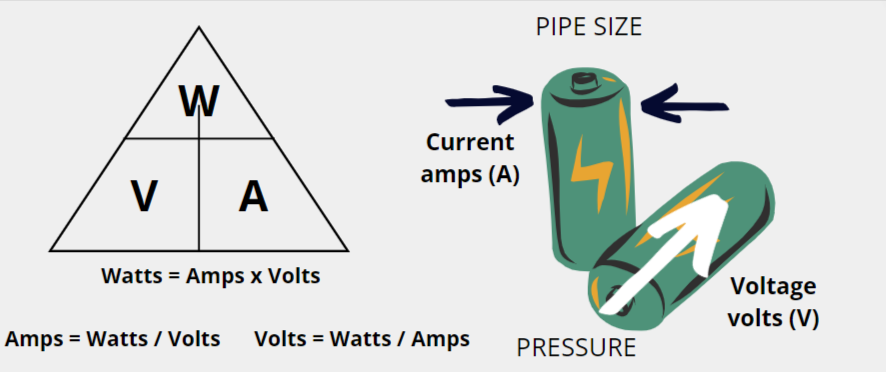
Solar panels produce voltageand power. Voltage is the force that pushes electricity through wires. Power is the amount of energy the panel creates. Both are important but different.
Voltage is measured in volts (V). Power is measured in watts (W). A panel can have a high voltage but low power or vice versa. The right balance depends on the system’s needs.
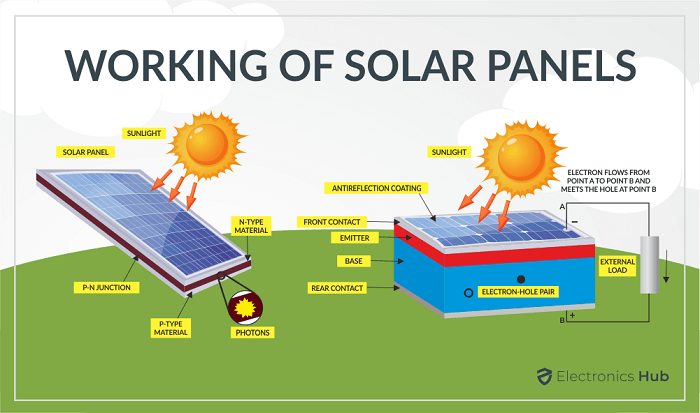
Solar panels generate direct current (DC)voltage. This means the electric flow goes in one direction only. Most homes use alternating current (AC). So, an inverter changes DC to AC for home use.
Common Voltage Ratings
Solar panels come in different voltage ratings for various uses. 12-volt panelsare common in small systems like boats and RVs. They are easy to connect and fit well with small batteries. 24-volt panelssuit medium-sized solar setups. They can power bigger appliances and charge larger battery banks faster. 48-volt panelsare used in large solar systems. They help reduce power loss and work well with big homes or businesses.
| Voltage Rating | Best For | Key Benefits |
|---|---|---|
| 12-Volt Panels | Small systems (boats, RVs) | Easy setup, works with small batteries |
| 24-Volt Panels | Medium systems | Faster charging, powers bigger devices |
| 48-Volt Panels | Large systems (homes, businesses) | Less power loss, handles more load |
Factors Affecting Voltage Output
Sunlight intensitydirectly affects the voltage solar panels produce. More sunlight means higher voltage. Clouds or shade lower the power output.
Temperaturechanges also impact voltage. Higher heat can reduce panel efficiency, causing voltage to drop. Cooler temperatures help maintain steady voltage levels.
The age and conditionof a solar panel matter too. Older panels may produce less voltage because of wear and tear. Keeping panels clean and undamaged helps keep voltage strong.
Credit: medium.com
Voltage In Series And Parallel Connections
Solar panels produce different voltages based on how they connect. In series wiring, voltages add up. Each panel’s voltage sums with the next. This creates a higher total voltage. Useful for devices needing more power. Yet, the current stays the same as one panel’s current.
With parallel wiring, voltage stays the same across all panels. The current adds up instead. This means a stable voltage that matches one panel’s output. Current increases to power more devices or charge batteries faster.
| Connection Type | Voltage | Current | Use Case |
|---|---|---|---|
| Series | Voltage adds up | Current stays same | Higher voltage needs |
| Parallel | Voltage stays same | Current adds up | Stable voltage, more current |
Measuring Solar Panel Voltage
Open-circuit voltage(Voc) is the voltage measured when no current flows. It shows the maximum voltage a solar panel can produce. This value is important for designing solar systems and selecting the right inverter.
Operating voltageis the voltage when the solar panel is working and producing power. It is lower than open-circuit voltage. This voltage changes based on sunlight, temperature, and load connected to the panel.
| Voltage Type | Description | Value Characteristics |
|---|---|---|
| Open-Circuit Voltage (Voc) | Voltage with no current flow | Maximum voltage output |
| Operating Voltage | Voltage during power production | Lower than Voc, varies with conditions |
Voltage Requirements For Different Systems
Off-grid systemsneed solar panels that generate higher voltages. Usually, these systems use 12V, 24V, or 48Vbattery banks. The solar panel voltage must match the battery bank to charge it properly. Panels with higher voltageallow longer cable runs without loss.
Grid-tied systemsoften use panels that produce around 30-40 volts. These systems connect directly to the grid through an inverter. The inverter converts the panel voltage to the required grid voltage, usually 120V or 240V. Panels are connected in series to reach the needed voltage.
Hybrid systemscombine both off-grid and grid-tied features. They use panels that can supply voltage for charging batteries and feeding the grid. Voltage requirements vary but usually fall between 24V and 48V. The system uses a hybrid inverter to manage power from panels, batteries, and the grid.
Maximizing Voltage For Efficiency
MPPT controllershelp solar panels work at their best voltage. They adjust the voltage to match the battery or grid needs. This leads to more powerand better energy use. Without MPPT, panels may lose energy as voltage does not fit well.
Placing panels in the right direction is very important. Panels should face the sundirectly to get the most light. The angleof panels also matters. It should change with seasons for better sunlight capture. Good placement means higher voltageand more energy.

Credit: powmr.com
Safety Considerations With Panel Voltage
High voltage solar panelscan be dangerous. Always wear insulated glovesand use tools with insulated handles. Avoid touching the terminals directly. Make sure the system is turned off before working on it. Use a voltage tester to confirm no current flows. Keep panels dry and clean to prevent shocks.
Proper wiring keeps the system safe and efficient. Use wires with the right thicknessto handle the current. Connect wires tightly to avoid sparks or shorts. Label wires clearly to avoid mistakes during maintenance. Use circuit breakersor fuses to protect the system from overloads. Regularly check connections for wear or damage.
Credit: www.renogy.com
Frequently Asked Questions
What Voltage Do Typical Solar Panels Produce?
Most residential solar panels generate between 18 to 22 volts. This voltage is suitable for charging 12-volt batteries. Commercial panels may produce higher voltages, suitable for larger systems. Understanding solar panel voltage is crucial for designing efficient solar power systems.
Can Solar Panel Voltage Be Increased?
Yes, solar panel voltage can be increased by connecting panels in series. This configuration adds the voltage of each panel, resulting in a higher total voltage. However, ensure your system can handle increased voltage to prevent damage.
How Does Temperature Affect Solar Panel Voltage?
Higher temperatures typically decrease solar panel voltage. As temperature rises, solar cells become less efficient, reducing voltage output. Cooler temperatures can enhance voltage, but overall energy production may vary. Monitoring and managing temperature can optimize solar panel performance.
Is Higher Voltage Better For Solar Panels?
Higher voltage can improve efficiency in solar power systems by reducing energy loss during transmission. However, it must match system requirements to prevent damage. The ideal voltage depends on system design and energy needs.
Conclusion
Solar panels usually generate between 12 and 48 volts. This voltage depends on the panel type and size. It is important to match the voltage with your system needs. Knowing the voltage helps you choose the right equipment. Solar energy can power homes, devices, and more.
Understanding voltage makes solar power easier to use. Keep learning about solar to get the best results. Solar power offers clean energy for the future.