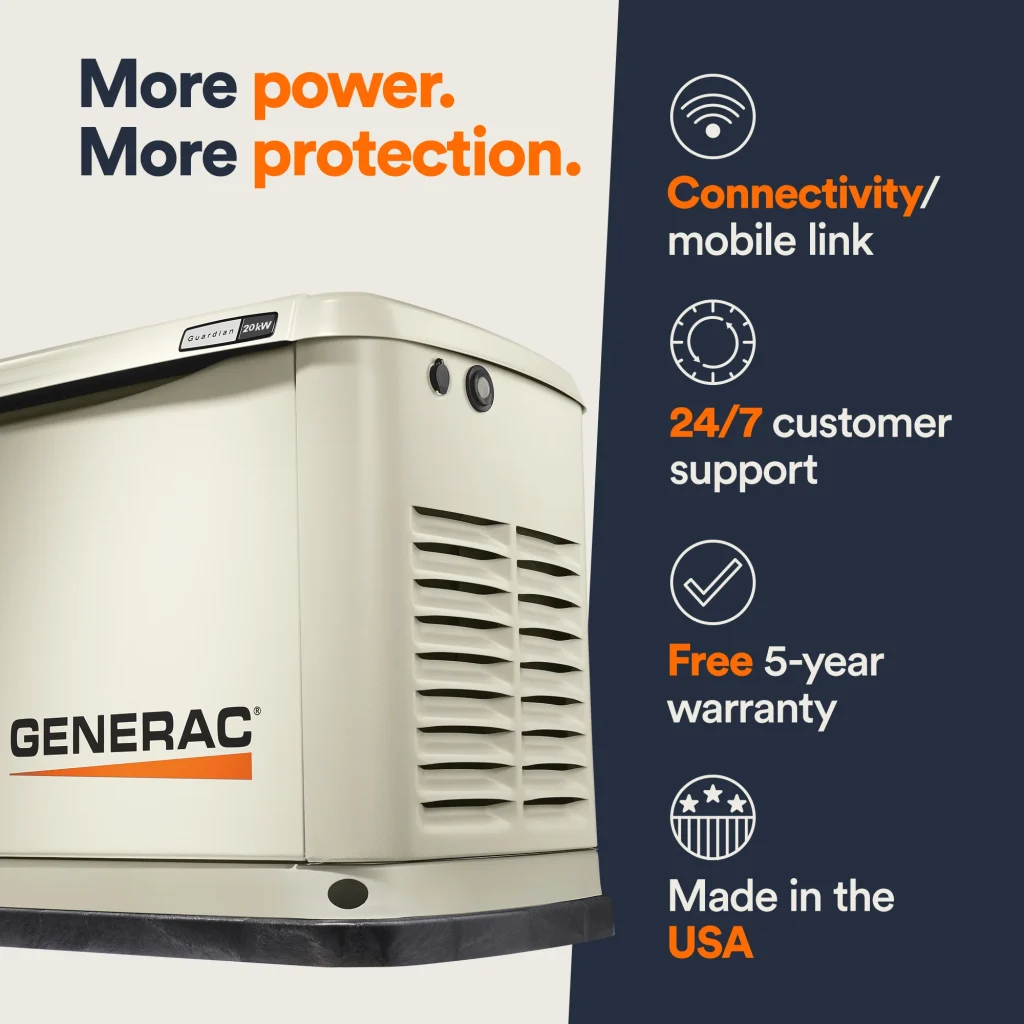
Have you ever wondered what voltage standby generators produce? If you’re considering investing in a standby generator for your home or business, understanding its voltage output is crucial.
This knowledge can help you choose the right generator to meet your power needs during outages. Imagine the peace of mind you’ll have knowing that your essential appliances and systems will keep running smoothly, no matter what. We’ll demystify the voltage specifications of standby generators, empowering you to make informed decisions.
So, let’s dive into the world of standby generators and discover what makes them tick.
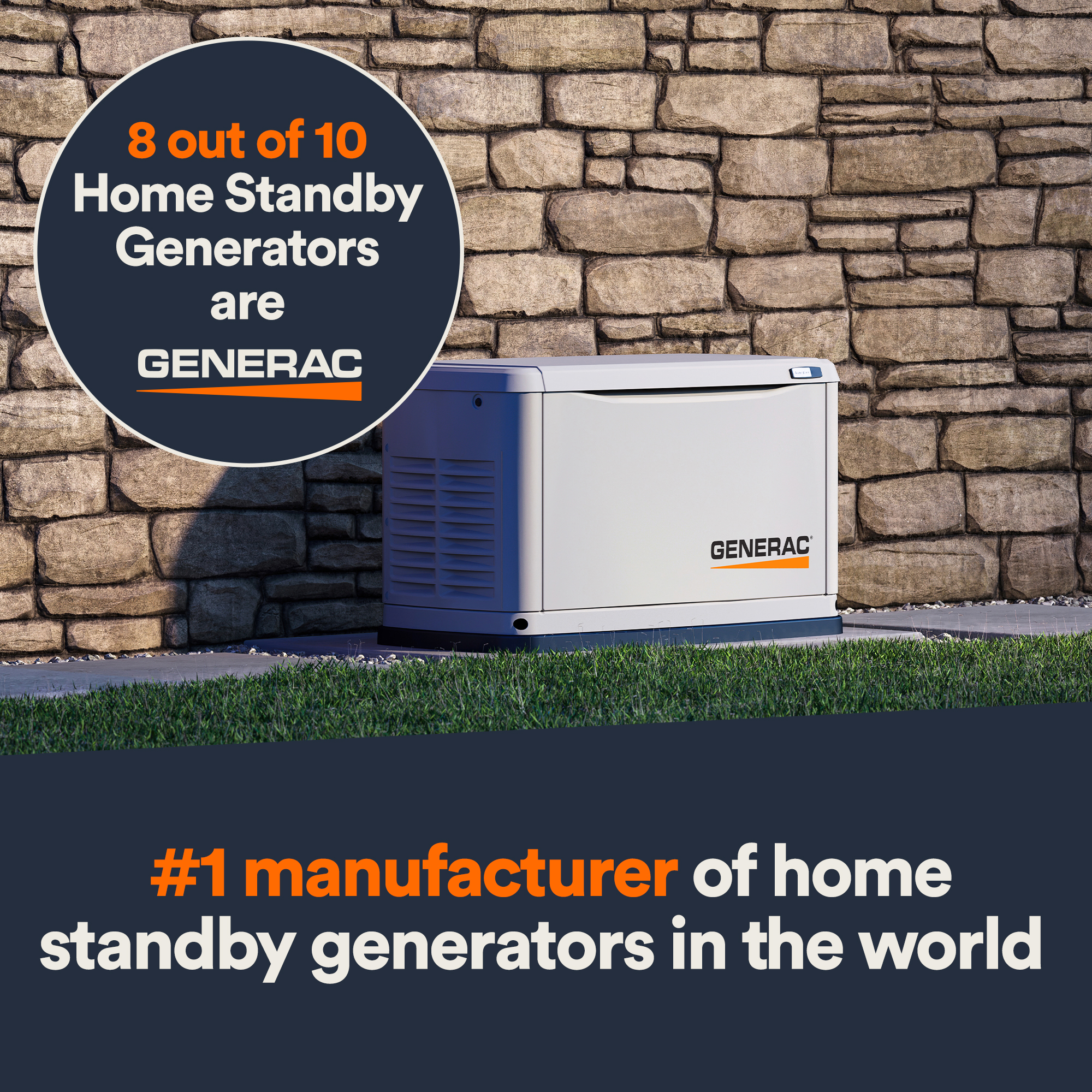
Credit: www.generac.com
Generator Voltage Basics
Standby generators typically produce voltage ranging from 120 to 240 volts. This allows them to power essential home appliances during outages efficiently. Reliable voltage output ensures smooth operation of lights, refrigerators, and other crucial devices.
Understanding Voltage
Voltage is like a water hose pushing electricity. It shows how strong the electricity flow is. Standby generators usually produce between 120 to 240 volts. This is the same as home power outlets. They help keep appliances running during power cuts. Knowing the voltage helps choose the right generator.
Importance Of Voltage Consistency
Keeping voltage consistent is very important. It keeps appliances safe from damage. If voltage changes too much, it can break devices. Generators have tools to keep voltage steady. This helps protect your home gadgets. Consistent voltage also makes sure lights and machines work smoothly. Always check the generator for voltage stability.

Credit: www.jackery.com
Types Of Standby Generators
Standby generators typically produce voltages ranging from 120 to 240 volts. These generators are crucial for maintaining power during outages. Different models may offer varying voltage outputs suitable for diverse needs.
Residential Generators
Residential generatorsare small and compact. They are perfect for homes. These generators usually produce between 120 to 240 volts. This voltage keeps lights and appliances running. During power outages, they are essential. Homeowners often choose them for emergencies. They are easy to install and maintain.
Commercial Generators
Commercial generatorsare larger than residential ones. They serve shops and small businesses. These generators produce up to 480 volts. This voltage powers more equipment. Businesses rely on them to avoid downtime. They are more robust and durable. Many commercial spaces have them as a backup.
Industrial Generators
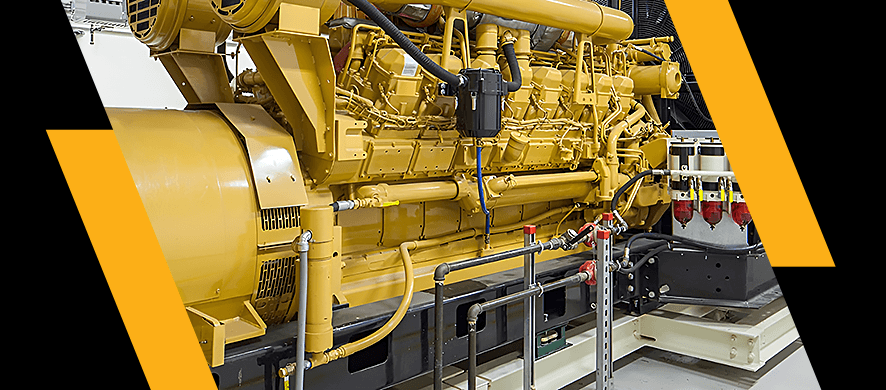
Industrial generatorsare the biggest. Factories and plants use them. They produce up to 13,800 volts. This high voltage supports heavy machinery. Large industries need them for continuous operations. They are powerful and efficient. Installation requires expert help.
Voltage Specifications
Standby generators typically produce voltages ranging from 120 to 240 volts. This power range suits various household appliances and systems. Ensuring compatibility with your home’s electrical setup is crucial for optimal performance.
Common Voltage Outputs
Standby generators provide different voltage outputs. The most common outputs are 120 voltsand 240 volts. These voltages are suitable for most home appliances. Some generators also offer three-phase power. This can produce 208 voltsor 480 volts. Choosing the right voltage is crucial for device safety. Always check the device requirements before use.
Voltage Range Considerations
Generators have a voltage range they can deliver. This range is important for different appliances. A small generator might only handle 120 volts. Larger units can switch between 120 and 240 volts. Some can even produce three-phase power. This flexibility helps in powering different devices. Always ensure the generator matches your voltage needs.
Factors Affecting Voltage Output
Standby generators typically produce voltage levels between 120 to 240 volts. Factors like generator size and load demand affect these levels. Regular maintenance ensures consistent voltage output for reliable power supply.
Load Demand
The voltage changes with the load demand. More devices need more power. This can cause voltage to drop. If fewer devices are used, the voltage stays stable. The generator must meet the demand to keep voltage correct.
Generator Size
Generators come in different sizes. Bigger generators make more power. Smaller ones produce less voltage. The right size ensures stable voltage. Choose a generator based on your power needs.
Fuel Type
Fuel type affects voltage output. Gas, diesel, and propane work differently. Some fuels make more energy. Others might not be as efficient. The choice of fuel can change the voltage produced by the generator.
Choosing The Right Voltage
Standby generators typically produce 120/240 volts, suitable for most household and small business needs. Understanding the voltage requirements ensures compatibility with your electrical system. This knowledge helps in choosing the right generator for efficient power backup.
Assessing Power Needs
Standby generators provide electricity during power outages. It’s essential to know your power needs. Different appliances need different voltages. Check the labels on each appliance. Most homes use 120 or 240 volts. Small devices use 120 volts. Large devices like stoves use 240 volts. Make a list of all appliances. Add their voltage needs together. This helps decide the generator’s size. Choose wisely to avoid overloads.
Consulting Professionals
Sometimes, choosing the right generator is hard. Professionals can help. Electricians know about voltage and power. They can visit your home and check everything. They will make sure everything is safe. They might suggest the best generator for your needs. It’s smart to ask an expert. Safety is very important. A professional can help keep your home safe. Don’t hesitate to ask for help.
Maintaining Voltage Stability
Standby generators typically produce voltage in the range of 120 to 240 volts. This output ensures safe and reliable operation of household appliances and systems during power outages. Maintaining voltage stability is crucial for protecting sensitive electronics from fluctuations.
Regular Maintenance
Generators need regular check-ups to stay healthy. Clean parts keep working well. Oil changes help parts move smoothly. Filters stop dirt from getting inside. Check connections to ensure power flows easily. Look for wear and tear to fix problems early.
Monitoring Systems
Monitoring systems keep an eye on voltage levels. They show if something’s wrong. Alarms alert you if voltage drops or rises too much. Some systems can even adjust voltage automatically. This helps keep electricity steady. Checks should be done often to ensure everything works well.
Safety And Compliance
Standby generators typically produce voltages ranging from 120 to 240 volts, ensuring reliable backup power. These generators comply with safety standards to prevent electrical hazards and maintain efficiency. Proper installation and maintenance are essential for safe operation.
Adhering To Standards
Generators must follow safety rules.This ensures they work safely. There are rules for making and using generators. These rules help keep people safe. Standards are importantfor everyone. They stop accidents and problems. People must know these rules. Understanding them is very important.
Avoiding Overvoltage Risks
Generators can make too much voltage. Overvoltage is dangerous.It can hurt machines and people. Keeping voltage right is key. Safety checks are needed.They help keep things safe. Regular checks prevent problems. Always be aware of the voltage levels.
Credit: woodstockpower.com
Frequently Asked Questions
Do Generators Produce 240 Volts?
Yes, many generators can produce 240 volts. These generators are ideal for powering larger appliances. Always check the generator’s specifications to ensure it meets your voltage needs. Proper maintenance ensures optimal performance and safety.
Do Generators Produce Ac Or Dc Voltage?
Generators typically produce AC voltage. This alternating current is common in most applications. Some specialized generators create DC voltage, often used for specific industrial or battery charging needs. Always verify generator specifications to ensure compatibility with your requirements.
What Voltage Do Most Generators Produce?
Most generators produce either 120 volts or 240 volts. Smaller portable models typically output 120 volts. Larger models can provide both 120 and 240 volts, suitable for household and industrial use. Always check your generator’s specifications to ensure proper voltage output for your specific needs.
How Much Power Can A Standby Generator Provide?
Standby generators typically provide between 7,000 and 150,000 watts. The exact power depends on the generator’s size. Residential models usually offer 20,000 to 50,000 watts, enough for essential home appliances. Larger commercial generators can supply up to 150,000 watts, suitable for businesses or larger buildings.
Conclusion
Understanding standby generator voltage is crucial for safe use. Most produce 120/240 volts. This matches standard home wiring. Know your generator’s voltage before connecting. It’s essential for proper function. Avoid damage or hazards by checking voltage compatibility. Reliable electricity is key during power outages.
Choose a generator with the right voltage for your needs. This ensures efficient operation. Stay informed and prepared. Your safety and equipment depend on it. Remember, voltage matters in standby generators. It affects everything from performance to safety. Make smart choices for peace of mind.