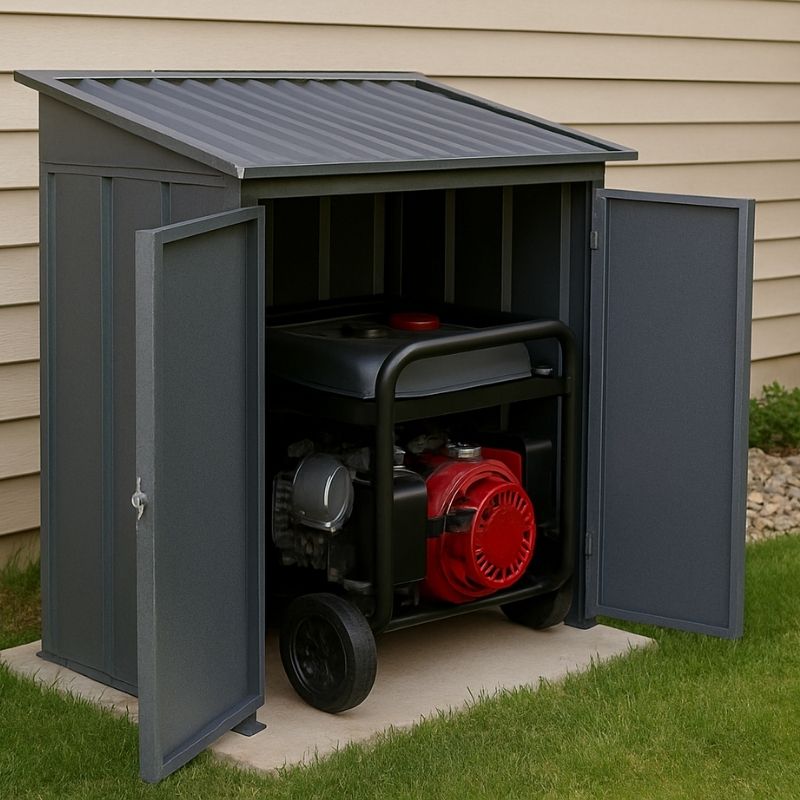
Imagine a storm hits, and the power goes out. You rely on your standby generator to keep your home running smoothly.
But what if your generator isn’t prepared for harsh weather? That’s where weatherproofing comes in. Ensuring your generator is ready to face the elements is crucial for uninterrupted power supply. You might wonder, “What kind of weatherproofing does my standby generator need?
” We’ll guide you through the essentials of generator weatherproofing, so you can have peace of mind knowing your home will stay powered, no matter the weather. Stick around and discover practical tips that could save you from unexpected outages when you need electricity the most.
Importance Of Weatherproofing
Weatherproofing a standby generator is very important. It keeps the generator safe from rain, snow, and wind. Water can damage parts inside the generator. Snow can block the air vents. Wind can move the generator or break wires. A weatherproof cover can help. It protects the generator from these problems.
The cover should be strong and fit well. It should be made of materials that do not let water in. Some covers have vents. Vents let air in but keep water out. This keeps the generator cool and dry. A good cover can make the generator last longer. It helps the generator work when it is needed most.
Types Of Weatherproofing Materials
Weatherproofingmaterials protect generators from rain and snow. These materials are crucial for long-term use. A popular choice is a waterproof cover. It keeps the generator dry. Another option is a stainless steel enclosure. This protects against rust and corrosion. Rubber gasketsseal gaps and prevent leaks. They are easy to install.
Generators also need ventilationmaterials. These help with air flow. Good air flow prevents overheating. Insulationis important too. It keeps the generator warm in cold weather. This ensures it starts quickly. Using the right materials is key for protection.
Generator Housing Options
Steel enclosures are very strong and durable. They protect the generator from harsh weather. Rain, snow, and wind cannot damage it easily. Steel is a heavy material. This makes it hard to move. But it ensures the generator stays safe. Steel needs regular maintenance to avoid rust. A coat of paint can help protect it. Steel enclosures are often used for larger generators.
Aluminum covers are lightweight and easy to move. They are rust-resistant. This makes them suitable for wet areas. Aluminum can handle heat well. It keeps the generator cool. Regular cleaning is needed to maintain its shine. Aluminum is a good choice for small to medium generators. It is less durable than steel but still offers good protection.
Composite structures are made from mixed materials. They are lightweight like aluminum but stronger. Composites can handle both heat and cold. They offer excellent protection from the weather. These structures need less maintenance. They are often used for modern generators. Composites are a cost-effective option for many users.

Credit: www.angi.com
Protective Coatings
Generators stay outside, so they face rain and sun. They need protection from rust. Rust makes metal weak. Use special coatings to stop rust. These coatings act like a shield. They help the generator last longer. Always check for any signs of rust. Fix small spots quickly.
The sun can harm generators too. UV rays can crack the paint. Cracks let water in, causing damage. A UV coating helps stop this problem. It keeps the generator looking new. Check the coating often for cracks. If you see any, fix them soon. This keeps the generator safe and strong.
Ventilation Considerations
Protecting a standby generator from harsh weather is crucial. Proper ventilation prevents overheating while shielding it from rain, snow, and debris. Utilize weatherproof covers and strategic placement to ensure efficient operation and longevity.
Airflow Management
Standby generators need good airflowto work well. Ensure the area has clear paths for air. Blockages can make the generator overheat. Fans help move air better. Place the generator in an open space. This helps it get fresh air. Avoid placing items too close to it. These items can stop air from moving.
Moisture Control
Generators must stay dry to last long. Use covers to keep rain away. Covers protect the generator from getting wet. Make sure the cover is breathable. This helps moisture escape. A wet generator can rust and break. Check for leaks often. Fix leaks right away. A dry generator works better and lasts longer.
Sealants And Insulation
Proper sealants and insulation protect standby generators from harsh weather. They guard against moisture, dust, and temperature changes. This ensures reliable performance during storms and extreme conditions.
Weatherproof Sealants
Weatherproof sealants keep water out of the generator. They seal gaps and cracks. This prevents rust and damage. Silicone is a popular choice. It is flexible and strong. Apply sealant around doors and windows. Check for leaks often. Sealants protect from rain and snow. This helps the generator last longer.
Thermal Insulation
Thermal insulation keeps heat inside the generator. It protects against cold weather. Foam or fiberglass are common materials. Insulation wraps around the generator. It keeps parts warm. This helps in winter. Proper insulation can improve efficiency. It reduces wear and tear. Always check insulation. Replace if damaged.
Drainage Systems
Water buildup can harm generators. Ensure proper drainage around your generator. Create channels that direct water away. Use gravel or pavers to aid water flow. This helps avoid flooding and keeps the ground dry.
Water must flow smoothly. Slope the ground to guide water away. Install gutters or pipes for better flow. Keep these systems clear of debris. This prevents clogs and ensures efficient movement. Regular checks are important for maintenance.

Credit: www.amazon.com
Regular Maintenance
Protecting a standby generator from harsh weather ensures its longevity. Use weatherproof covers to shield from rain and snow. Regularly inspect seals and vents for any damage or wear.
Routine Checks
Standby generators need regular routine checksto work well. Look at the oil level often. Check the battery for power. Make sure the wires are tight and safe. Keep the generator clean from dust. Clean filters help the generator run smoothly. Always check for strange noises when starting it.
Repair Strategies
Repair strategies are important for keeping the generator strong. Small repairs can stop big problems later. Change old parts before they break. It is good to have spare parts ready. Call experts for help when you see problems. They can fix things quickly and safely. This helps the generator last longer.

Credit: www.angi.com
Frequently Asked Questions
How Do You Weatherproof A Portable Generator?
To weatherproof a portable generator, use a generator tent or canopy. Ensure proper ventilation and keep it elevated. Check for water-resistant covers and regularly inspect for any damage or leaks. Keep the generator dry and away from direct exposure to rain and snow.
Are Generac Generators Waterproof?
Generac generators are not waterproof. They are weather-resistant, but should be protected from direct exposure to rain. Use a proper enclosure or cover to shield them from water and moisture to ensure optimal performance and longevity. Always follow the manufacturer’s guidelines for safe usage and storage.
How To Safely Run A Generator In The Rain?
Ensure the generator is under a waterproof canopy or tent. Use heavy-duty extension cords to avoid exposure. Position the generator on a dry surface, away from puddles. Regularly check for any signs of water damage. Always follow the manufacturer’s guidelines for safe operation in wet conditions.
Do Generac Generators Need To Be Covered?
Generac generators should be covered with a breathable, waterproof cover to protect them from weather elements like rain and snow. Ensure proper ventilation to prevent overheating while the generator is running. Covering helps prolong the generator’s lifespan and maintains its efficiency.
Always check manufacturer guidelines for specific cover recommendations.
Conclusion
Proper weatherproofing ensures your generator runs smoothly. A secure enclosure protects against harsh elements. Rain, snow, and wind can damage parts. Regular maintenance keeps it in top condition. Invest in quality covers and insulation. These prevent rust and corrosion. Monitor ventilation to avoid overheating.
Reliable power depends on these precautions. Protect your investment with good weatherproofing. It enhances your generator’s longevity. Plan ahead for extreme weather conditions. Your standby generator will be ready when needed. Peace of mind for your home or business.