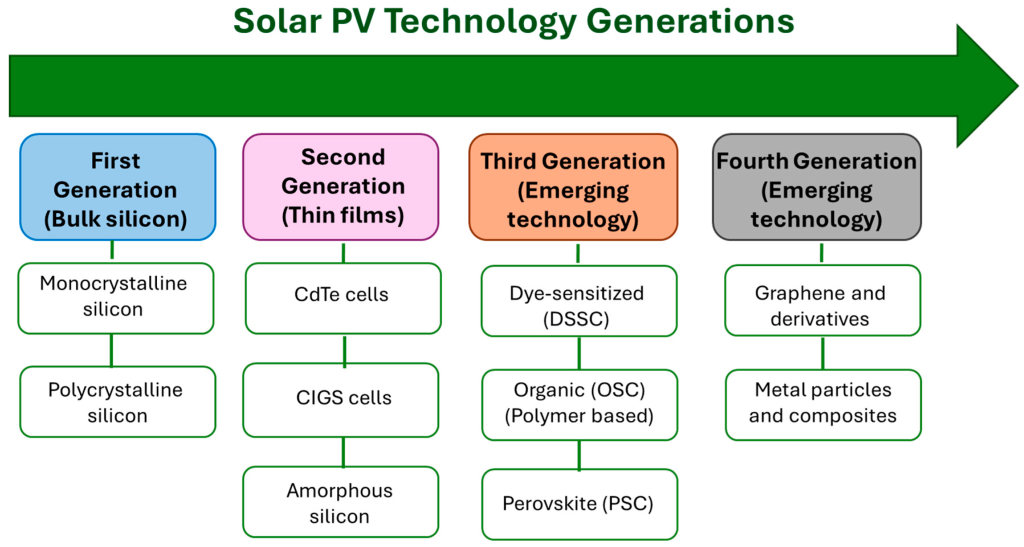
Have you ever wondered how solar panels evolved to power your home or gadgets today? Understanding the first and second generations of solar technology can give you a clearer picture of how solar energy became so efficient and affordable.
This knowledge isn’t just interesting—it helps you make smarter choices if you’re thinking about going solar. Keep reading to discover the key differences, benefits, and what these generations mean for your energy future.
First Generation Solar Cells
Silicon wafer technologyforms the base of first generation solar cells. This tech uses thin slices of crystalline siliconto catch sunlight and turn it into electricity.
Crystalline siliconis the most common material. It is very stable and works well under many conditions. It comes in two main types: monocrystallineand polycrystalline.
- Monocrystallinecells have high efficiency and smooth black surfaces.
- Polycrystallinecells are cheaper but less efficient, with a blue, speckled look.
The manufacturing processinvolves slicing silicon ingots into thin wafers. These wafers are cleaned, treated, and layered with materials to form solar cells.
Efficiency typically ranges from 15% to 20%. Limitations include high cost and energy used during production. Also, silicon cells can be brittle and heavy.
/https://tf-cmsv2-smithsonianmag-media.s3.amazonaws.com/filer/e8/e3/e8e31a0a-c51d-4ece-84c4-e058d7196b4f/severy_patent_2.png)
Credit: www.smithsonianmag.com
Second Generation Solar Cells
First-generation solar cells use silicon wafers and are the oldest type of solar technology. Second-generation cells use thin films, making them lighter and cheaper to produce. Both types convert sunlight into electricity but differ in materials and efficiency.
Thin-film Technologies
Thin-film solar cellsuse very thin layers of light-absorbing materials. These layers are placed on glass, plastic, or metal. This design makes the cells lighterand more flexiblethan first generation cells.
Materials Used
- Cadmium telluride (CdTe)– common and cost-effective.
- Copper indium gallium selenide (CIGS)– offers better efficiency.
- Amorphous silicon (a-Si)– cheaper but less efficient.
Cost And Production Benefits
Thin-film cells require less material, making production cheaper. Manufacturing uses less energy. This helps lower the overall cost of solar panels.
Performance Compared To First Generation
| Aspect | First Generation | Second Generation (Thin-Film) |
|---|---|---|
| Efficiency | 15-20% | 10-13% |
| Flexibility | Rigid, heavy | Flexible, light |
| Cost | Higher | Lower |
Key Innovations Driving First Generation
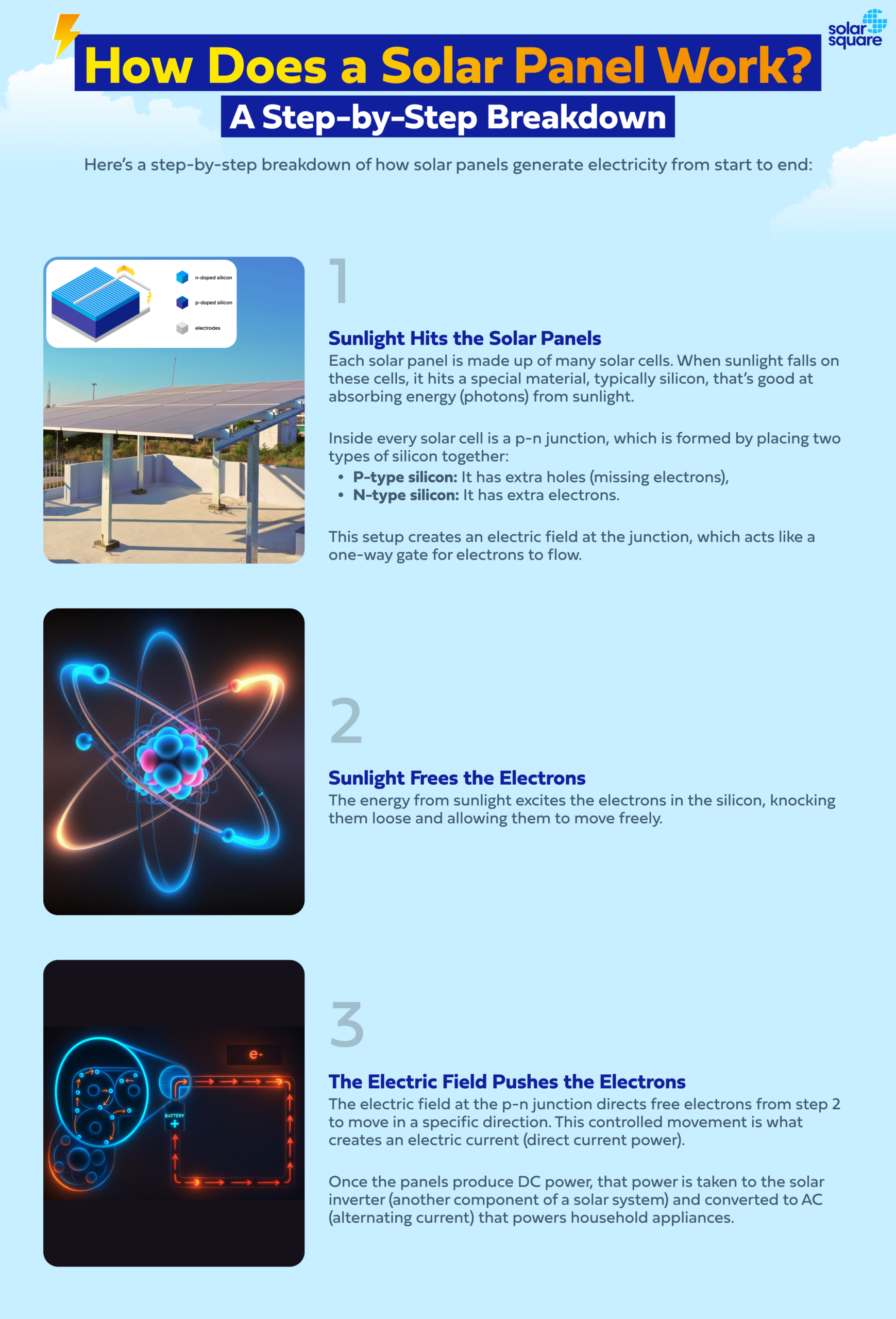
The P-N junction developmentwas a major step in solar cell technology. It allowed solar cells to convert sunlight into electricity efficiently. This junction creates an electric field that moves electrons, producing power.
Improved purification techniqueshelped to make the silicon purer. Pure silicon means fewer defects and better energy capture. These techniques made solar cells more reliable and longer-lasting.
Advances in cell designimproved how cells absorb sunlight. Designs included thinner layers and better contacts to reduce energy loss. These changes helped solar panels produce more power from the same sunlight.
Breakthroughs In Second Generation Solar
Second generation solar panels brought many important improvements. They are thin, flexible, and lightweight. This made them easy to install on many surfaces, even curved ones. These panels use less material, which helps to lower costs.
New ways to put solar material on surfaces were created. These new deposition methodsallow for faster and cheaper production. Thin films could be made with better quality and fewer defects.
Materials that absorb sunlight got better too. These enhanced absorption materialscapture more sunlight and turn it into electricity more efficiently. This means more power from smaller panels.
Impact On Solar Industry
The first and second generation solar panelschanged the solar industry in many ways. The first generation used silicon wafers. These panels were strong but costly to make. The second generation used thin films. They were cheaper and lighter but less efficient.
Market adoption trendssaw a rise because prices went down. More people could buy solar panels. Businesses started to use solar power more. This helped solar energy grow worldwide.
Cost reduction effectscame from better materials and faster production. Thin film panels needed less silicon. This made them cheaper. Lower costs helped solar power compete with traditional energy sources.
Environmental considerationsinclude less mining for materials in second generation panels. They also use less energy to produce. This reduced the overall carbon footprint of solar panels.
Credit: www.solarsquare.in
Future Directions Beyond Second Generation
Emerging technologies in solar energy focus on new materials and designs. Perovskite solar cellsare an example. They are cheaper and easier to make. Organic photovoltaicsuse carbon-based materials to capture sunlight. These can be flexible and lightweight.
Smart systems help solar panels work better. They can adjust to weather and power needs. Internet of Things (IoT)connects solar panels to homes and grids. This allows better control and less energy waste.
- Increased efficiencymeans more power from the same sunlight.
- New coatings reduce energy loss from heat and reflection.
- Layering different materials captures more sunlight.

Credit: en.wikipedia.org
Frequently Asked Questions
What Defines First Generation Solar Cells?
First generation solar cells are primarily made from crystalline silicon. They offer high efficiency and durability. These cells are widely used in residential and commercial solar panels. They represent the earliest commercial photovoltaic technology.
How Do Second Generation Solar Cells Differ?
Second generation solar cells use thin-film technology. They are lighter and less expensive than first generation cells. These cells have lower efficiency but are flexible. They are ideal for large-scale applications and varied surfaces.
What Materials Are Used In Second Generation Solar?
Second generation solar cells commonly use materials like cadmium telluride and amorphous silicon. These materials enable thin-film solar panels. They reduce material costs and allow for flexible solar designs. This technology supports diverse solar power needs.
Why Are First And Second Generation Solar Important?
Both generations mark key advancements in solar technology. First generation cells offer high efficiency and reliability. Second generation cells bring cost-effective, flexible alternatives. Together, they have expanded solar energy adoption worldwide.
Conclusion
First and second generation solar panels laid the foundation for today’s technology. First generation panels use silicon to convert sunlight into electricity. They are reliable but costly. Second generation panels, like thin-film, are cheaper and flexible. They offer versatility in applications.
Both generations play crucial roles in solar energy progress. Understanding these technologies helps appreciate modern advancements. Solar energy is now more accessible and efficient. The journey from first to second generation shows innovation’s impact. Solar power continues to evolve, promising a brighter, sustainable future.
Stay curious and informed about these exciting developments.