
Are you considering harnessing the power of the sun to charge your devices? If so, you’re probably wondering about the best panel angle for solar charging.
Getting the angle right is crucial; it can make the difference between a trickle of energy and a full charge. Imagine maximizing your solar panel’s efficiency without extra costs or complex adjustments. By understanding the ideal angle, you can unlock the full potential of your solar setup.
Dive in to discover the secrets behind optimizing your panel’s position. This knowledge could save you time, money, and energy. Keep reading to find out how you can make your solar panels work harder for you.

Credit: www.youtube.com
Factors Influencing Optimal Panel Angle
Where you live affects solar panel angle. Countries near the equator have different angles than those further away. Latitude is key. Panels should be angled to match your latitude. This helps capture more sun.
Solar angles change with seasons. Summer and winter have different sun positions. Adjust panel angles for each season. Winter needs a steeper angle. Summer requires a lower angle. This ensures maximum sunlight capture.
Sun position changes during the day. Morning and evening have lower sun angles. Noon has the highest sun position. Panels should be adjusted to catch peak sunlight. This maximizes energy production. Adjusting panels can boost efficiency.

Credit: beyondsolar.net
Calculating The Ideal Panel Angle
Panel angledepends on your location. Use your latitudeto find it. Multiply your latitude by 0.9. This gives a good angle for winter. For summer, subtract 10 degreesfrom this number. Adjust seasonally for best results.
These systems let you change the panel angle. You can adjust them as needed. This helps get the most sunlightyear-round. They are easy to use and set up. You can save more energythis way.
Solar trackers follow the sun’s path. They keep panels at the best angle. This boosts energy collectiongreatly. Trackers are smart and automatic. They work all day without any help. This is very efficientfor solar energy.
Impact Of Panel Angle On Efficiency
Panel angle significantly impacts solar charging efficiency. Optimal angles vary by location and season, maximizing sunlight absorption. Adjusting panel tilt can enhance energy output and performance.
Maximizing Sunlight Exposure
The angle of solar panels affects sunlight exposure. Proper angles let panels catch more sun. This boosts energy collection. Sun moves through the day, affecting light angles. Adjusting panels helps capture sun better. Tilt angles should match the sun’s path. This ensures panels get the most light.
Reducing Energy Losses
Panels placed flat lose energy. Wrong angles mean less sunlight absorbed. Adjusting angles cuts energy losses. Tilted panels gather more sun rays. Less energy is wasted this way. Properly angled panels work better. They make sure energy isn’t lost.
Improving Overall System Performance
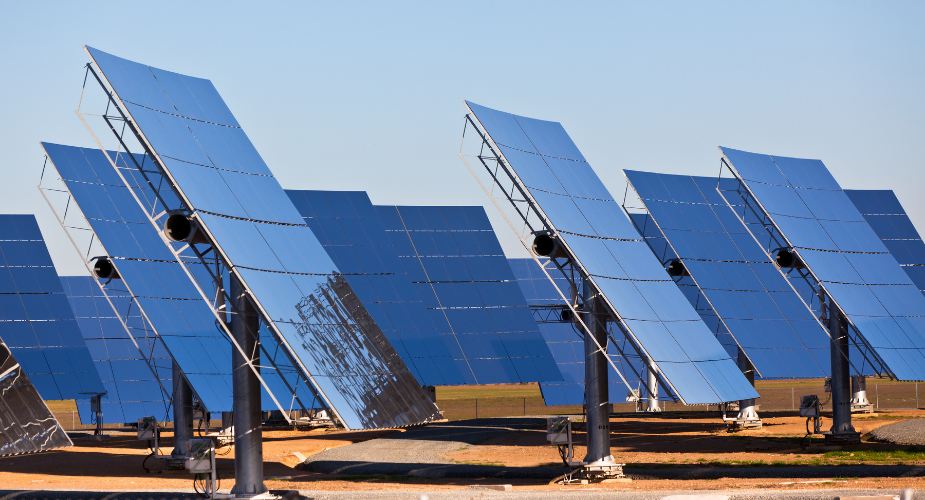
Correct panel angles improve system performance. Better angles mean more energy collected. This helps power systems efficiently. Panels tilted correctly ensure smooth energy flow. Good angles mean less maintenance needed. Overall, panels work best at the right angle.
Credit: naturesgenerator.com
Seasonal Angle Adjustments
Seasonal adjustments of solar panel angles can boost energy efficiency. Align panels to match the sun’s changing position throughout the year. This maximizes solar exposure and improves charging effectiveness.
Winter Settings
Solar panels need a special angle in winter. The sun is lower in the sky. Tilt the panels more steeply. This helps them catch more sunlight. A good angle is your latitude plus 15 degrees. This angle helps get the most energy in winter.
Summer Settings
In summer, the sun is high. Panels should be flatter. A good angle is your latitude minus 15 degrees. This helps panels capture more sunlight. Flat panels work best in summer. They make the most energy this way.
Equinox Adjustments
During spring and fall, the sun is in the middle sky. Panels need a middle angle. Use your latitude as the angle. This helps balance energy collection. Panels can catch sunlight well. It’s a good setup for the equinox times.
Tools For Measuring Panel Angle
Tools for measuring panel angle help optimize solar charging efficiency. Achieving the right panel angle maximizes sunlight absorption. Use tools like inclinometers and digital angle finders for accurate measurements.
Digital Angle Finders
Digital angle finders are handy. They help measure angles easily. With a screen, they show the exact angle. You can trust them for accurate results. No more guessing the panel angle. They are simple to use. Just place it on the panel. Watch the numbers change. Perfect for precise measurements.
Smartphone Applications
Phones can measure angles. Apps make it easy. No extra tools needed. Just download an app. Open it and follow instructions. Point your phone at the panel. The app shows the angle. It’s quick and easy. Always have your phone with you. Great for checking angles fast.
Professional Assessment Services
Experts know the best angles. They use special tools. Their tools are advanced. Professionals ensure accuracy. They help with tricky situations. Call them for expert advice. They have experience and skills. Perfect for complex projects. Get peace of mind with their help.
Common Mistakes To Avoid
Selecting the ideal solar panel angle can be tricky. Avoid placing panels flat as it reduces efficiency. Ensure the angle matches your latitude for optimal sunlight exposure.
Ignoring Local Climate Conditions
Local weathermatters for solar panels. Sunny places need a different angle. Cloudy areas might need adjustments. Consider how often it rains. Snowy places need panels at a steeper angle. This helps them work better all year.
Overlooking Panel Maintenance
Solar panels need regular care. Dust can block the sun. Clean panels often for better power. Check wires for damage. Make sure panels are stable. Wind can move them, affecting performance. Proper care helps panels last longer.
Neglecting Seasonal Adjustments
The sun moves during the year. Adjust panels for summer and winter. Summer sun is high; tilt panels less. Winter sun is low; tilt panels more. This keeps energy strong all year. It’s easy but important.
Future Trends In Solar Panel Adjustment
Finding the optimal panel angle is crucial for efficient solar charging. Future trends suggest adjustable solar panels that automatically tilt with the sun’s movement, enhancing energy capture. This innovation promises improved efficiency and output, adapting to seasonal changes and varied geographical locations.
Innovative Tracking Systems
Solar panels can adjust to capture more sunlight. Innovative tracking systems help them move with the sun. These systems use smart sensors. They make solar panels more efficient. This means more energy for homes and businesses.
Integration With Smart Home Technology
Smart homes can connect to solar panels. Solar panels can be controlled from a smartphone. This makes it easy to adjust panel angles. Homeowners save energy and money. It’s a smart way to use technology.
Advancements In Panel Design
New panel designs are lightweight and flexible. They can fit on different surfaces. Panels are now more durable. This helps them last longer. These advancements make solar energy more accessible.
Frequently Asked Questions
What Is The Most Efficient Angle For Solar Panels?
The most efficient angle for solar panels equals your latitude. Adjust seasonally for optimal sunlight. Typically, tilt panels at an angle matching your location’s latitude for year-round efficiency. Adjusting during seasons can maximize energy capture, especially in winter and summer.
Regular maintenance and orientation adjustments enhance performance.
What Is The 20% Rule For Solar Panels?
The 20% rule for solar panels suggests installing panels 20% larger than calculated needs. This compensates for inefficiencies and ensures optimal energy production. It accounts for factors like shading, dust, and weather conditions, maximizing the system’s output and reliability over time.
What Is The Rule Of Thumb For Solar Panel Tilt?
Tilt solar panels at an angle equal to your latitude for optimal year-round energy. Adjust seasonally if possible.
What Is The Best Angle To Put A Solar Panel?
The optimal angle for a solar panel equals your latitude. Adjust angles seasonally for maximum efficiency. A tilt of about 30-45 degrees works well for most locations. Ensure panels face true south in the Northern Hemisphere and true north in the Southern Hemisphere for best results.
Conclusion
Choosing the right panel angle boosts solar charging efficiency. Different factors influence the optimal angle. Location, time of year, and panel type matter. Adjusting the angle seasonally maximizes sunlight capture. Use tools or apps for precise angle measurements. Experimenting helps find the best setup for your needs.
Remember, small adjustments can make a big difference. Improved efficiency means more energy savings. Enjoy a greener, cost-effective energy solution with solar panels. Keep exploring and optimizing to get the most out of your investment. Happy solar charging!