
Imagine waking up in your cozy off-grid cabin, surrounded by nature, without worrying about power outages. Sounds perfect, right?
But what happens when the sun isn’t shining as brightly? That’s where a reliable solar backup system comes into play. You want to make sure your cabin is equipped with the best system to keep your lights on and your appliances running smoothly, no matter the weather.
Whether you’re an off-grid veteran or just starting out, finding the right solar backup can be a game-changer. We’ll dive into what makes a solar backup system ideal for your needs and help you choose the best one for your off-grid retreat. Keep reading to discover how you can maintain your cabin’s independence with the perfect solar solution.
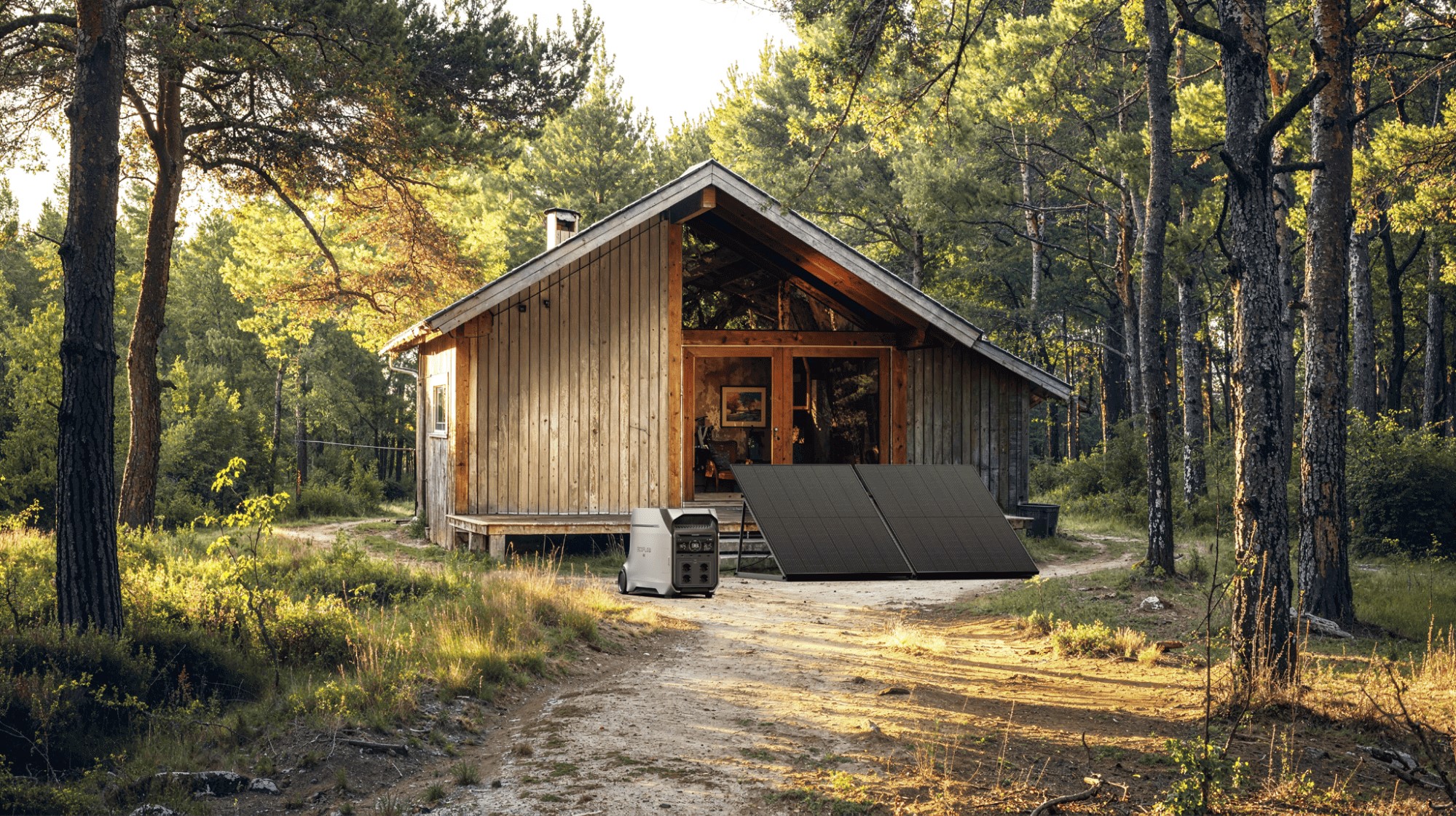
Credit: www.ecoflow.com
Factors To Consider
Understanding your cabin’s energy needs is crucial. Count the devices you plan to use. Lights, fridge, and heater all need power. Add their energy use. Solar panels must cover this. Choose a battery that stores enough energy. Nighttime and cloudy days need backup power. Calculate total energy use in watts. This helps in choosing the right solar system.
Weather affects solar panel efficiency. Sunny areas generate more power. Cloudy regions need more panels or bigger batteries. Snow can cover panels. Check local weather patterns. Wind can damage equipment. Secure panels properly. Understand seasonal changes. This ensures reliable power year-round.
Solar setups vary in cost. Basic systems are cheaper. Advanced systems offer more features. Set a budget before shopping. Look for discounts or sales. Check warranty and maintenance costs. Invest wisely in quality products. A little more money can save headaches later.
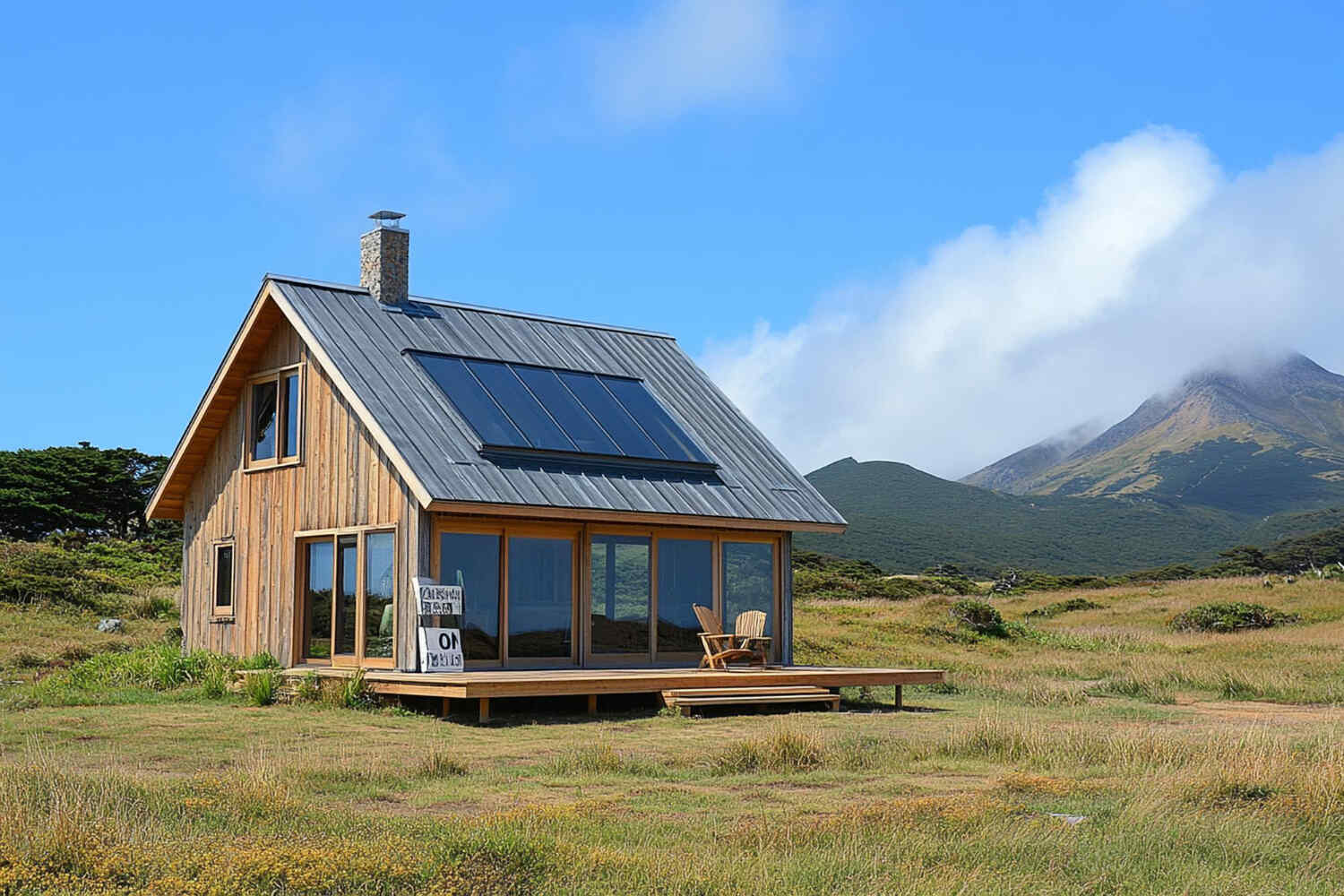
Credit: hubpower.ca
Types Of Solar Backup Systems
Selecting the right solar backup system for off-grid cabins involves exploring options like battery storage systems and generators. Battery storage systems offer efficient energy storage, while generators provide reliable power during extended cloudy periods.
Solar Generators
Solar generators are portable and easy to use. They convert sunlight into electricity. Perfect for small cabins needing basic power. You can charge phones, lights, and small appliances. Solar generators are quiet and eco-friendly. They are ideal for short-term stays.
Battery Storage Systems
Battery storage systems store solar energy for later use. They are reliable and store energy when the sun is shining. You can use the power at night or on cloudy days. More expensive than generators but offer more power. They are suitable for long-term cabin living.
Hybrid Systems
Hybrid systems combine solar panels and batteries. They offer the best of both worlds. Provide power during sunny and cloudy days. You can use them for all cabin needs. Hybrid systems are more complex but efficient. They ensure energy availability year-round.
Top Solar Backup Brands
Top solar backup brands offer reliable solutions for off-grid cabins. Brands like Goal Zero, Renogy, and EcoFlow provide efficient energy storage. These options ensure consistent power supply, enhancing off-grid living experiences.
Goal Zero
Goal Zero is a popular choice for solar backup. They offer durable and portable power solutions. Their products are user-friendly and efficient. You can charge devices quickly and easily. Goal Zero provides reliable power in remote areas. Their products are designed for outdoor use. This makes them perfect for off-grid cabins.
Renogy
Renogy offers a wide range of solar products. They are known for high-quality solar panels. Their kits are easy to install and maintain. Renogy is ideal for beginners and experts alike. They provide efficient and affordable solar solutions. Many people trust Renogy for their power needs. Their products are perfect for cabins and RVs.
Ecoflow
EcoFlow is famous for its innovative battery technology. Their products are powerful and compact. EcoFlow offers fast charging and long-lasting power. They are great for emergency power needs. Their portable solutions are easy to carry. EcoFlow is a trusted brand in solar backup. Their products are perfect for remote locations.
Installation Tips
Choosing the right solar backup ensures reliable power for off-grid cabins. Consider battery capacity and solar panel efficiency. Proper installation and maintenance are crucial for optimal performance and longevity.
Site Assessment
Choosing the right spot for your solar panels is key. Look for areas with maximum sunlightand minimal shade. Check if nearby trees or buildings block the sun. Measure the area to ensure it fits your solar setup. Consider the angle of the roof or ground. A good angle catches more sun.
Diy Vs Professional Installation
Doing it yourself can save money. But professionals have more experienceand tools. They ensure safety and efficiency. Think about your skills and time. Mistakes can be costly. If unsure, hiring a pro might be best.
Maintenance Requirements
Solar panels need regular cleaning. Dust and dirt reduce efficiency. Check for any damage or loose wires. Monitor the system’s performance. Batteries may need occasional checks too. Keep an eye on energy output. Call for help if issues arise.
Cost Analysis
Installing solar panels can be expensive. The initial cost
Solar energy helps save money over time. Once installed, you use less electricity from the grid. This means lower utility bills. Solar panels last long, often over 20 years. During this time, they keep saving money. Maintenance costs are usually low. This is because solar panels are durable.
- Loans: Many banks offer loans for solar setups.
- Leasing: Pay monthly fees to use solar systems.
- Government Incentives: Some areas offer tax credits for solar use.
Environmental Impact
Exploring solar backup options for off-grid cabins reduces environmental impact. Solar systems offer clean energy, minimizing reliance on fossil fuels. An eco-friendly choice for sustainable living.
Sustainability Benefits
Solar energyis clean and renewable. It reduces pollution in the air. The sun provides energy without harming nature. Solar panels can last for many years. They help protect the earth.
Reducing Carbon Footprint
Using solar power lowers carbon emissions. Less fossil fuels are burned. This helps keep the air clean. Solar panels do not produce harmful gases. They are a safe choice for the planet.
Resource Efficiency
Solar panels use the sun’s energy wisely. They save non-renewable resources like coal and gas. Solar power is efficient and cost-effective. It helps conserve water and land. Solar energy supports a healthier earth.
Real-life Case Studies
Exploring solar backup options for off-grid cabins can be vital for energy independence. Real-life case studies offer insights into effective systems, focusing on reliability and cost-effectiveness. These examples help cabin owners make informed decisions, ensuring they choose the best solar solutions for their unique needs.
Successful Off-grid Cabin Installations
Many cabins have solar power now. These cabins stay warm and lit. Solar panels catch sunlight. This energy powers lights and fridges. Families enjoy quiet nights without worry. They save money on bills. Solar is a smart choice.
Lessons Learned
Choosing the right solar setup is important. Some cabins used too few panels. They learned more panels give more power. Battery storage is key. It keeps lights on at night. Planning helps avoid mistakes. Learning from others helps too.
User Testimonials
- Sarah loves her solar cabin. It’s always cozy.
- Tom says his cabin feels free with solar.
- Emma enjoys nature with no power worries.

Credit: solarpowerstore.ca
Frequently Asked Questions
What Size Solar System Do I Need For An Off-grid Cabin?
Determine your cabin’s energy needs in kilowatt-hours (kWh) per day. Calculate solar panel wattage and battery storage. A typical off-grid cabin might need a 2-5 kW solar system. Consider location, sun exposure, and energy efficiency for accuracy. Consult a solar expert for tailored advice.
Which Type Of Solar Panel Is Best, On Grid Or Off-grid?
On-grid solar panels are ideal for homes with stable grid access, providing energy savings and reliability. Off-grid panels suit remote locations, offering independence and sustainability. Choose based on location, energy needs, and budget. Both types have unique advantages, so evaluate your specific requirements before deciding.
What Is The 20% Rule For Solar Panels?
The 20% rule for solar panels suggests oversizing your solar system by 20% to account for energy losses. This ensures optimal efficiency and compensates for factors like shading, dust, and panel degradation. Oversizing helps in maximizing energy production and meeting energy needs effectively.
How Big Battery Do I Need For An Off-grid Solar System?
Determine your daily energy usage and multiply by days of autonomy. Consider battery efficiency and solar panel output.
Conclusion
Choosing the right solar backup is crucial for off-grid cabins. It ensures reliable energy and peace of mind. Consider cabin size and energy needs. Balance cost and efficiency. Solar kits offer convenience and easy installation. Batteries store energy for cloudy days.
Explore options like portable panels for flexibility. Always prioritize quality and durability. A good system lasts for years. Enjoy the freedom of solar power. Make informed choices for a sustainable future. Remember, the right backup makes all the difference. Your cabin deserves the best energy solution.