Imagine waking up to a world where power outages are no longer a concern. A solar backup system promises just that, offering a sustainable solution to keep your home or business running smoothly, even when the grid fails.
But before you invest in this technology, there’s a crucial question you need answered: what’s the lifespan of a solar backup system? Knowing how long your system will last is key to making an informed decision and maximizing your investment.
You’ll discover the factors that influence the lifespan of your solar backup system and learn what you can do to extend it. Get ready to dive into the details that will empower you to harness the sun’s energy efficiently and effectively.
Solar Backup System Basics
Solar backup systems are crucial for power during outages. They use sunlight to store energy. This energy powers homes when the main power fails.
Components Of A Solar Backup System
- Solar Panels:Collect sunlight and convert it into electricity.
- Batteries:Store the electricity for later use.
- Inverter:Changes stored energy into usable power.
- Charge Controller:Protects batteries from overcharging.
How Solar Backup Systems Work
Solar panels absorb sunlight. They turn it into electricity. The electricity is stored in batteries. When there’s no sunlight, the inverter provides power. It uses stored energy from the batteries.

Credit: www.ecoflow.com
Factors Affecting Lifespan
Understanding the lifespan of a solar backup system involves examining factors like battery quality, maintenance practices, and environmental conditions. Regular upkeep and using high-quality components can extend the system’s life, ensuring reliable power backup for years.
Quality Of Components
Components must be strong to last long. High-quality parts make systems durable. Cheap parts can break easily. Good batteries hold more power. Strong panels collect more sunlight. Efficient inverters convert energy better. All these help systems work longer.
Environmental Conditions
Weather affects solar systems. Hot places can cause overheating. Cold weather might slow down energy collection. Rain can help clean panels. Dust can block sunlight. Storms might damage parts. Keeping systems safe is important.
Usage Patterns
How often systems are used matters. Daily use wears them out faster. Resting them sometimes can help. Overloading systems shortens lifespan. Balanced use keeps systems working well. Regular checks can find problems early.
Maintenance And Care
Regular maintenance extends the lifespan of a solar backup system. Cleaning panels and checking connections are crucial tasks. Proper care can ensure efficient performance for over 20 years.
Routine Inspections
Regular checks keep your solar backup system running smoothly. Inspect panels for cracks or damage. Ensure connections are tight and secure. Look for any signs of wear and tear. Early detection prevents bigger problems later. Always follow the manufacturer’s guidelines for maintenance.
Battery Care And Replacement
Batteries need special attention. Check battery health regularly. Clean terminals to avoid corrosion. Replace batteries as they age. This keeps the system efficient. A well-maintained battery lasts longer. Always use the correct type for your system.
Cleaning And Upkeep
Dust and dirt can block sunlight. Clean panels with water and a soft cloth. Avoid harsh chemicals. Check for debris or bird droppings. A clean panel works better. Keeping your system tidy ensures it works best.
Technological Advances
Solar backup systems typically last between 5 to 25 years. Their lifespan depends on quality and maintenance. Regular checks and good care can extend their efficiency.
Improved Battery Technologies
New battery technologies help solar backup systems last longer. These batteries store more energy. They charge faster and last for many years. Lithium-ion batteries are very popular. They are light and efficient. Solid-state batteries are being developed too. They promise even more power and durability. This means your solar system will work better and longer.
Durable Solar Panels
Solar panels are becoming more durable. They can withstand harsh weather conditions. New materials make them stronger and last for decades. Panels now come with longer warranties. Better designs help them capture more sunlight. This means they generate more power. This makes solar systems more reliable over time.
Smart System Integration
Smart systems help manage your solar backup system. They use software to optimize energy use. You can control them with your phone or computer. Smart inverters help convert solar energy better. They ensure your system runs efficiently. This leads to longer system life. It also saves you money on energy bills.
Signs Of System Aging
Signs of System Aging Solar backup systems often show wear after 10-15 years. Decreased efficiency and frequent maintenance indicate aging. Regular checks help identify these signs early.
Performance Decline
Solar backup systems may show slower performance over time. The energy output might decrease, especially during cloudy days. This means less power for your home. Older systems might not store as much energy as before. Efficiency loss is a common sign of aging.
Increased Maintenance Needs
Older systems often need more care. Regular checks can become necessary to keep them running. Parts may need cleaning more often. Dust and debris can cause problems. Frequent repairs might be needed as parts wear out. This means more time and money spent on upkeep.
Component Failures
Parts of the system might start breaking down. Batteries might not hold charge like they used to. Panels may show signs of wear and tear. Inverters can fail, stopping power conversion. These failures can mean the system needs parts replaced. Without working parts, the system can’t do its job well.
Maximizing System Longevity
Solar backup systems can last 25-30 years with proper maintenance. Factors like battery type and usage frequency affect lifespan. Regular checks and timely repairs extend system life significantly.
Optimal Installation Practices
Proper installation is key for a long-lasting solar backup system. Panels need to be placed where they get maximum sunlight. Ensure they are free from shade and dirt. Cables should be secured and protected from weather. A sturdy frame helps prevent damage from wind.Regular Monitoring
Checking the system regularly keeps it in good shape. Look for any broken parts. Make sure connections are tight. Keep an eye on the performance. If energy production drops, find out why. Fix problems quickly to avoid bigger issues.Upgrading Components
Some parts of the system may need upgrades over time. Batteries often need replacing every few years. Newer models can store more energy. Upgrading can make the system work better. Keeping everything up-to-date ensures the system runs smoothly. `Future Trends
Exploring the lifespan of a solar backup system reveals insights into its durability and efficiency. Typically, these systems last 10 to 15 years, depending on maintenance and usage. Sustainable energy solutions continue to evolve, enhancing system longevity and reliability.
Innovations In Solar Technology
Solar panels are getting more efficientevery year. New materials help them capture more sunlight. This means they can produce more energy even on cloudy days. There are also flexible solar panels now. These can be placed on cars and backpacks. Scientists are working on solar windows too. These windows can turn sunlight into electricity.
Market Developments
More people are choosing solar power for their homes. Prices of solar systems are dropping. This makes it easier for everyone to use clean energy. Many companies offer solar panels now. They also provide easy payment plans. Some countries give money back for using solar power. This helps people save money while using green energy.
Sustainability Impacts
Solar power is very good for our planet. It doesn’t make dirty air or water. Using the sun’s energy helps reduce pollution. Solar energy is also renewable. This means it won’t run out like coal or oil. It helps protect nature and animals too. More solar use means less harm to the Earth.

Credit: batteryevo.com

Credit: shopsolarkits.com
Frequently Asked Questions
What Is The 20% Rule For Solar Panels?
The 20% rule for solar panels refers to their efficiency. Panels typically convert around 20% of sunlight into electricity. This efficiency rate is standard in residential solar systems, impacting energy output and overall performance. Always check panel specifications for precise efficiency figures before purchasing.
How Long Will A 10kw Home Battery Last?
A 10kW home battery typically lasts 10-12 hours, depending on energy consumption. Usage and appliance efficiency affect duration. Adjust settings for optimal performance to extend battery life. Regular monitoring ensures effective energy use and maximizes battery lifespan. Consider factors like usage habits and appliance types for accurate duration estimation.
How Much Does It Cost To Replace A Solar Panel Battery?
Replacing a solar panel battery typically costs between $5,000 to $7,000. Prices vary based on capacity and brand. Installation fees can add to the cost. Always consult with a professional for an accurate estimate. Quality and warranty should also influence your decision.
What Happens To Solar Panels After 20 Years?
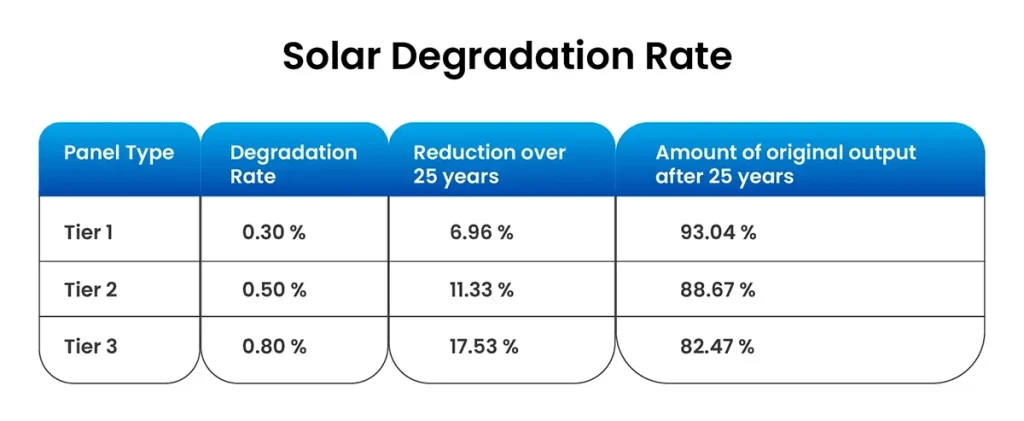
Solar panels typically degrade over 20 years, losing efficiency. They can still produce electricity but at reduced capacity. Recycling is an option, as valuable materials can be extracted. Proper disposal ensures environmental safety. Regular maintenance can extend their lifespan beyond 20 years.
Consider upgrading for better efficiency and performance.
Conclusion
A solar backup system can last many years with proper care. Regular maintenance boosts its lifespan. Components like batteries might need replacement sooner. Check them often. Consider environmental factors too. Harsh conditions can affect performance. Choose quality parts for better durability.
Investing in a reliable system pays off over time. It ensures energy security and cost savings. Research and plan wisely for long-term benefits. A well-maintained solar backup system offers peace of mind. Enjoy sustainable energy for years to come.