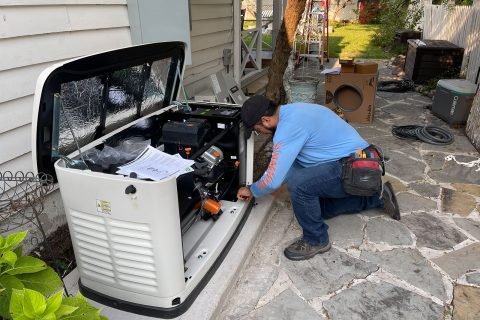
Imagine the lights go out during a storm, and you’re left in the dark, scrambling for flashlights and candles. Frustrating, right?
That’s where a standby generator becomes your household hero. But, here’s the catch: installing it in the right spot is crucial. You want it to work efficiently without causing any hiccups or hazards. So, where exactly should you place it?
This guide is designed to walk you through the ideal locations for your standby generator, ensuring that when the power cuts out, you’re the one in control. Dive in, and discover how strategic placement can offer you peace of mind and uninterrupted comfort.
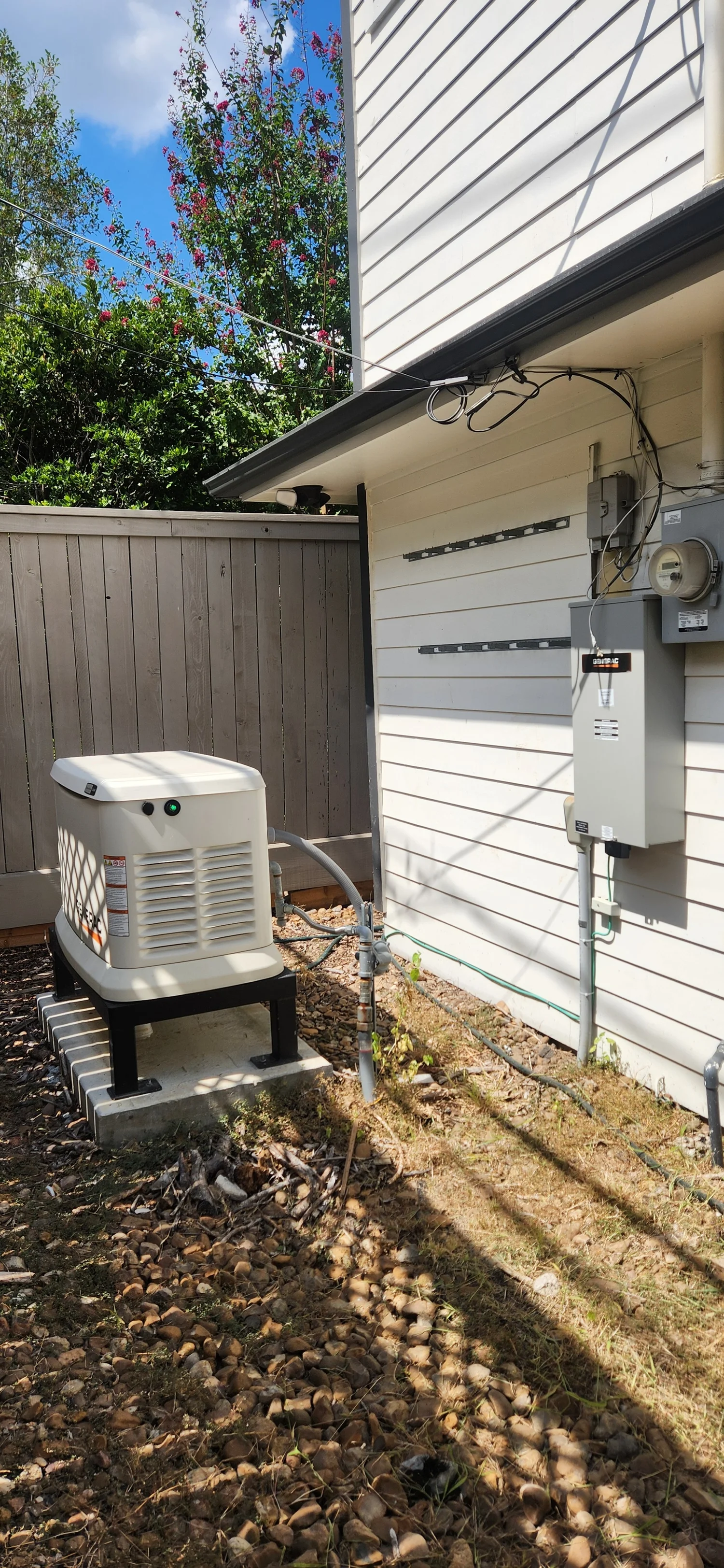
Credit: www.arielicustomhomes.com
Choosing The Right Location
Assess the layout of your property to find the best spot for the generator. Choose a place that is flat and easy to reach for maintenance. Keep the generator away from windows and doors to reduce noise inside your home. Plant bushes or use fences to block sound without trapping heat.
Noise levels are important. Generators can be loud. Place it where noise will not bother neighbors or family. Consider local rules about noise limits and distance from homes.
| Proximity Factor | Reason |
|---|---|
| Close to Utility Connections | Makes installation easier and cheaper |
| Away from Water Sources | Prevents damage and safety hazards |
| Accessible for Fuel Delivery | Simplifies refueling and maintenance |
Outdoor Installation Spots
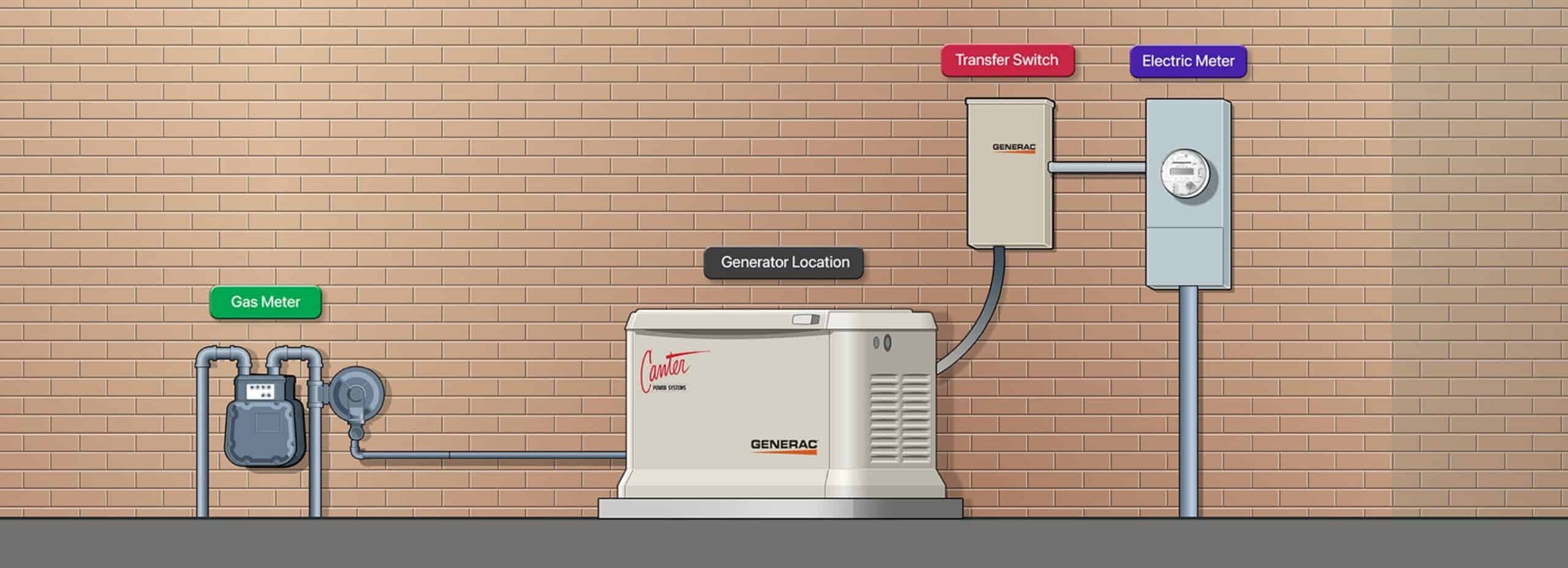
Near the Main Electrical Panelis the best place for a standby generator. It makes wiring easier and safer. Shorter wires mean less power loss and faster start-up. Keep the generator close but leave enough space for maintenance. This spot helps connect the generator to your home’s power quickly.
Away from Windows and Doorsis important for safety. Generators produce fumes that are harmful to breathe. Place the generator far from any openings to stop gases from entering your home. This keeps your family safe and the air inside clean.
Ensuring Proper Ventilationhelps the generator work well. It needs fresh air to run and cool down. Avoid tight spaces or areas with little airflow. Good ventilation stops overheating and lets fumes escape safely.
Indoor Installation Options
Garages offer easy access for standby generators but need special care. Ensure the space has good ventilationto avoid buildup of fumes. Keep the generator away from cars and flammable materials. Use a carbon monoxide detector for safety. Noise can be an issue; consider soundproofing options.
Basements can be tricky spots. They often lack fresh air, causing dangerous gas buildup. Installing a proper exhaust system is a must. Check local rules before placing a generator here. Moisture and flooding risks may damage the unit.
Strong ventilationis the key to safe indoor generator use. Open vents or fans help move air and gases out. Never block exhaust pipes. Keep a safe distance from windows and doors to avoid fumes entering living spaces.
Credit: canterpowersystems.com
Distance And Clearance Requirements
Manufacturer guidelinesprovide exact distance and clearance rules. These rules ensure safe and efficientgenerator operation. Always follow the manual for installation locationsand minimum clearances.
Local building codes set legal requirementsfor generator placement. These codes vary by region and affect distance from structuresand property lines. Compliance helps avoid fines and installation delays.
Fire safety distances protect homes from fire hazardslinked to generators. Generators must be placed away from flammable materialsand ventilation openings. Proper clearance reduces risk of fire spread.
| Requirement | Typical Distance |
|---|---|
| From windows and doors | 5 to 10 feet |
| From property lines | 3 to 5 feet |
| From combustibles | 5 feet minimum |
Foundation And Mounting
A concrete pador platform is essential for installing a standby generator. It provides a flat, stable surfacethat supports the generator’s weight. This helps prevent sinking or tilting over time.
Levelingis crucial to keep the generator balanced. Uneven surfaces can cause damage and reduce efficiency. Ensure the pad is perfectly level before installation.
Protection from the elements is key. Place the generator in a spot sheltered from heavy rain, snow, and direct sunlight. This extends the generator’s life and keeps it running smoothly.

Credit: www.angi.com
Environmental And Weather Factors
Flood zonesrequire special care for standby generator placement. Generators must be installed above the highest flood level. This prevents water damage and keeps the unit working during storms. Avoid basements or low areas prone to flooding.
Sun and wind can affect generator performance. Direct sunlight may cause overheating. Wind can blow debris into the unit. A shaded, sheltered spot helps the generator last longer. Use barriers or screens to block strong winds.
Snow and ice can block air vents and damage the generator. It is best to place the unit in a spot that stays clear of heavy snow. A small roof or cover can protect it from ice buildup. Make sure the generator has good airflow even in winter.
Access For Maintenance And Fuel
Clear pathways around the generator make maintenance easier and safer. Space allows technicians to reach all sides quickly. Avoid clutter or obstacles near the unit.
Fuel supply should be close but not too near the generator. Proper distance reduces fire risk and ensures easy refilling. Use secure connections to avoid leaks.
| Serviceability Aspect | Details |
|---|---|
| Access for Repairs | Enough space for tools and movement |
| Routine Checks | Easy to reach filters and controls |
| Fuel Monitoring | Clear view and access to fuel tanks |
Compliance With Regulations
Installing a standby generator requires permitsfrom local authorities. These permits ensure your generator meets safety rules. After installation, an inspectionis often needed to confirm proper setup. This process helps avoid fines or shutdowns.
Many areas have noise rules. Generators must not be too loud to keep the neighborhood quiet. Check local noise limitsbefore choosing your generator’s location.
Emission standardscontrol air pollution from generators. Using models that meet these standards protects the environment. Some places require cleaner-runninggenerators to reduce harmful gases.
Frequently Asked Questions
Where Is The Best Location To Install A Standby Generator?
The best location is outside, near your electrical panel, and away from windows. It should have proper ventilation and easy access for maintenance.
How Far Should A Standby Generator Be From The House?
A standby generator should be at least 5 feet away from your house. This distance ensures safety from carbon monoxide and reduces noise inside your home.
Can I Install A Standby Generator In A Garage?
Installing a standby generator in a garage is not recommended. Generators produce carbon monoxide, which can be hazardous in enclosed spaces without proper ventilation.
What Are Local Regulations For Standby Generator Placement?
Local regulations vary, but usually include setbacks from property lines and buildings. Always check your city or county codes before installation to ensure compliance.
Conclusion
Choosing the right spot for your standby generator matters a lot. Place it where it stays safe and works well. Keep it away from windows and doors to avoid noise and fumes inside. Also, check local rules before installing. A good location helps the generator run smoothly during power outages.
This keeps your home comfortable and secure. Think about easy access for maintenance too. Careful planning makes sure your generator serves you well when needed most.