
Are you tired of power outages disrupting your daily life? Imagine never worrying about spoiled food in the fridge, dark rooms, or interrupted work again.
That’s the magic of a standby generator. But here’s the catch: to ensure it runs smoothly and efficiently, you need to know exactly where to place it. Think of it as finding the perfect spot for a new piece of furniture in your home.
It needs to be accessible, but also safe and unobtrusive. In this guide, you’ll discover the ideal locations that maximize your generator’s performance while keeping your home safe and sound. Stay with us, and you’ll soon feel empowered to make the best choice for your peace of mind.

Credit: truegear.com.au
Choosing The Right Location
The generator should be placed at a safe distance from the home. This helps to prevent carbon monoxide from entering the living spaces. Most experts suggest placing it at least 10 to 20 feetaway from doors and windows.
Avoid areas where water can collect or near flammable materials. The location must be dry and stable. Keep the generator away from places with heavy foot traffic to prevent accidents.
Noise is also important. Generators can be loud, so place them where the noise will bother you and neighbors the least. Consider using barriers or fences to reduce noise.
| Factor | Recommendation |
|---|---|
| Distance from Home | 10 to 20 feet away from windows and doors |
| Hazardous Areas | Avoid water, flammable materials, and heavy traffic zones |
| Noise Levels | Place away from bedrooms and neighbors; use noise barriers |

Credit: blog.norwall.com
Ensuring Proper Ventilation
Proper ventilationis essential to keep the area safe. It helps to reduce the risk of carbon monoxide build-up, which is a deadly gas. The generator should be placed where fresh air flows freely. Avoid enclosed spaces or areas with poor airflow.
Ensure that exhaust gases do not enter living spaces. Position the generator so fumes blow away from windows, doors, and vents. This helps to keep toxic gases outsideand prevents them from entering the home.
- Place the generator at least 5 feet away from windows and doors.
- Keep it away from vents and air intakes.
- Choose a location with clear airflow, such as open yards or patios.
- Avoid low spots where air can become trapped.
Meeting Local Codes And Regulations
Zoning lawstell where you can put a standby generator. These laws protect neighbors and the environment. You must check local rules before choosing a spot. Some areas need the generator to be far from homes or property lines.
Permitsare often required before installing a generator. These permits ensure your generator meets safety standards. A building permit or electrical permit may be needed.
After installation, an inspectionusually follows. Inspectors check if the generator is safe and follows codes. Passing inspection means your generator is ready to use.
- Know local zoning rules
- Get necessary permits
- Schedule inspections
- Keep records of approvals
Credit: greatbrotherelectrical.com
Protecting The Generator From Weather
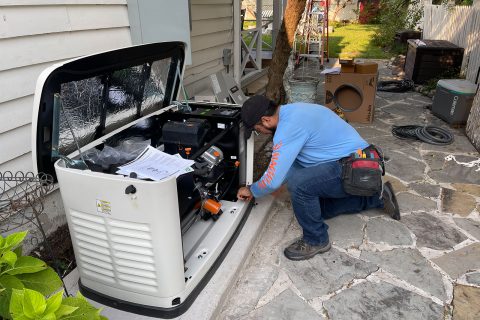
Protecting a standby generatorfrom weather is key for its long life. Using protective enclosuresshields the unit from rain, snow, and dust. These covers are made from tough, weather-resistant materials that keep moisture and debris away.
Elevating the unit helps prevent water damage during floods or heavy rain. Placing the generator on a raised platform or concrete pad keeps it dry and stable. This also improves air flow and cooling around the generator.
- Use a weatherproof enclosure made from metal or heavy plastic.
- Ensure the enclosure has vents for proper airflow.
- Raise the generator at least 6 inches above ground level.
- Choose a spot with good drainage to avoid standing water.
- Check regularly for damage or blockages in the enclosure.
Maximizing Efficiency
Place the generator close to the fuel sourceto reduce fuel line length. This cuts fuel loss and boosts efficiency. The fuel source could be a propane tank or natural gas line.
Ensure the generator is easy to reach for maintenance. Clear space around it helps with quick repairs and regular checks. This saves time and keeps the generator running well.
- Short fuel lines reduce fuel waste and risk of leaks.
- Easy access speeds up service and lowers downtime.
- Keep the area clear to avoid obstacles during repairs.
- Place on stable, level ground to prevent damage.
Safety Precautions
Keep the generator away from flammable materialslike gasoline, paint, and dry leaves. These can catch fire easily from sparks or heat. Place the generator on a flat, stable surface to avoid tipping over. Make sure the area is well ventilated to prevent gas build-up. Avoid storing fuel near the generator to reduce fire risks.
To secure the generator, use a sturdy lock or chain to fix it in place. This stops theft and unauthorized use. Check the generator’s manual for specific securing tips. Protect it from rain and snow by using a cover, but keep air flowing to avoid overheating.
Frequently Asked Questions
Where Is The Best Location For A Standby Generator?
The best location is a dry, well-ventilated area outside your home. It should be away from windows and doors to prevent exhaust fumes from entering. Ensure easy access for maintenance and comply with local building codes for safety and noise regulations.
How Far Should A Standby Generator Be From The House?
A standby generator should be at least 5 feet away from your house. This distance helps reduce noise and prevents carbon monoxide from entering living spaces. Always check local regulations, as some areas require greater distances for safety reasons.
Can I Place A Standby Generator In A Garage?
Placing a standby generator in a garage is not recommended. Generators produce harmful exhaust gases that can accumulate indoors, posing serious health risks. Always install your generator outdoors in a ventilated space to ensure safety and proper operation.
What Surfaces Are Suitable For Installing A Standby Generator?
Standby generators should be installed on a stable, non-combustible surface like concrete or a generator pad. This prevents shifting and protects the unit from moisture. Avoid placing it directly on soil or grass to reduce corrosion and ensure long-term durability.
Conclusion
Choosing the right spot for your standby generator keeps your home safe and powered. Place it where air flows well and noise stays low. Keep it away from windows and doors to avoid fumes inside. Follow local rules for distance and placement.
Proper location helps your generator work better and last longer. Think about ease of access for maintenance too. A good spot means peace of mind during power outages. Simple steps make a big difference in your home’s safety and comfort.