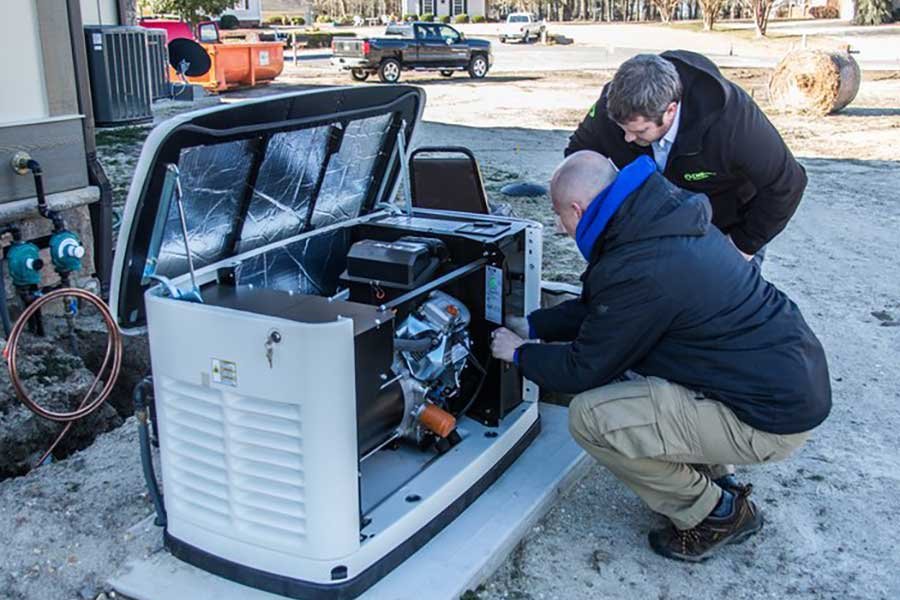
Imagine your peace of mind when you know your home is prepared for any power outage. No more worrying about spoiled food, interrupted work, or uncomfortable living conditions.
You’ve probably heard about home standby generators and their ability to automatically kick in when the lights go out. But now you’re wondering, who installs home standby generators? Choosing the right person for this crucial job is like finding the perfect piece of a puzzle.
It’s about ensuring safety, efficiency, and reliability. You need a professional who understands your home’s unique needs and can offer seamless installation. We’ll explore exactly who can provide this service, why their expertise matters, and how to choose the best installer for your peace of mind. Keep reading to discover how to make your home truly power-outage-proof.
Types Of Professionals
Licensed electriciansare trained to handle electrical systems safely. They connect generators to your home’s power system. Their work meets local codes and ensures safety.
Generator specialistsfocus only on standby generators. They know how to install, maintain, and repair them. Their skills help keep your generator running smoothly.
HVAC and electrical contractorsoften offer generator installation too. They understand home systems like heating and power. This helps them fit generators that work well with your home setup.

Credit: lenhartelectric.com
Qualities Of Trusted Installers
Proper licensing and certificationprove an installer’s skill and trustworthiness. Licensed installers follow state and local laws. Certified technicians have special training for home standby generators. This ensures safe and correct installation.
Experience with home generatorsmatters a lot. Experienced installers know the best spots for placing generators. They handle wiring and setup smoothly. This reduces problems later and makes sure the generator works well.
Customer reviews and referencesshow real opinions from past clients. Positive feedback means the installer is reliable and does good work. Asking for references helps confirm the installer’s quality and professionalism.
Installation Process
Experts begin with a site assessmentto find the best generator location. They check for space, ventilation,and noise concerns. Planning ensures safety and easy access for maintenance.
Obtaining permitsis vital. Professionals know local regulationsand handle paperwork. This step avoids legal issues and delays.
Connecting the generator to the home’s electrical system is done carefully. Experts install a transfer switchto shift power during outages. This keeps the system safe and reliable.

Credit: www.angi.com
Costs And Estimates
Pricedepends on many things. The size of the generator and brand affect cost. Installation complexity matters too. Some homes need extra wiring or parts. Fuel type also changes the price. Natural gas or propane may cost differently.
Compare quotes from at least three installers. Check what each quote includes. Some may add hidden fees for permits or inspection. Ask about the total cost before agreeing.
| Warranty | Maintenance Package |
|---|---|
| Usually 5 to 10 years | Regular check-ups included |
| Covers parts and labor | Filter and oil changes |
| Some offer extended plans | Priority service calls |
Finding Local Experts
Local experts with experience in electrical work install home standby generators safely and correctly. Licensed electricians or specialized contractors ensure proper setup and compliance with local codes. Trusting qualified professionals helps avoid problems and keeps your home powered during outages.
Online Directories And Reviews
Use online directoriesto find local installers. These sites list businesses with ratings and reviews. Reading reviews helps spot trusted professionals. Look for installers with many positive comments. Check how they handle customer serviceand timely work.
Recommendations From Utility Companies
Utility companies often work with qualified generator installers. Contact your local utility provider for a list of approved experts. These installers meet safety and quality standards. This can save time and ensure reliable service.
Consulting Manufacturer Networks
Generator brands usually have authorized installers. Visit the manufacturer’s website to find nearby experts. These pros get training directly from the brand. This ensures your generator is installed correctlyand warranty stays valid.

Credit: www.arcticac.com
Frequently Asked Questions
Who Installs Home Standby Generators Professionally?
Licensed electricians or certified generator installers typically install home standby generators. They ensure proper setup, wiring, and compliance with local codes.
What Qualifications Do Generator Installers Need?
Installers must have electrical licenses, experience with backup power systems, and knowledge of safety regulations to handle generator installation properly.
How Long Does A Home Standby Generator Installation Take?
Installation usually takes one to two days, depending on the generator size and site complexity, including setup, wiring, and testing.
Can Homeowners Install Standby Generators Themselves?
DIY installation is not recommended due to electrical risks and code requirements. Professional installation ensures safety and warranty protection.
Conclusion
Home standby generators need expert installation for safety and efficiency. Licensed electricians or specialized technicians usually handle this job. They know local codes and ensure proper setup. A professional installer checks your home’s power needs first. This helps avoid future problems or damage.
Trusting experts saves time and stress. A well-installed generator keeps your home running during outages. Choose skilled installers for peace of mind and reliable power backup.