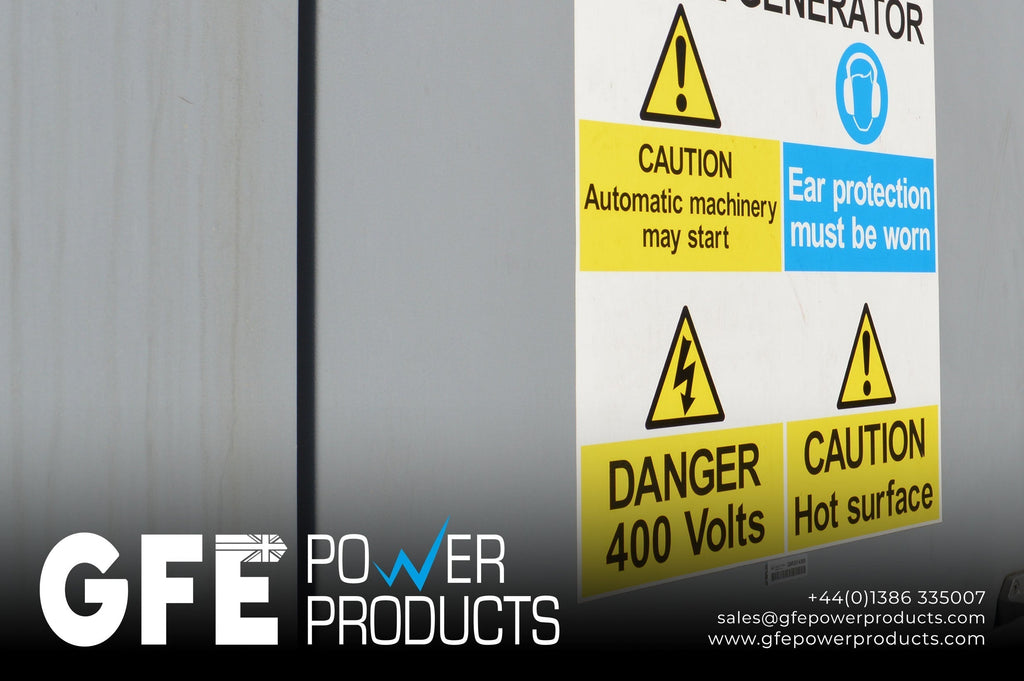
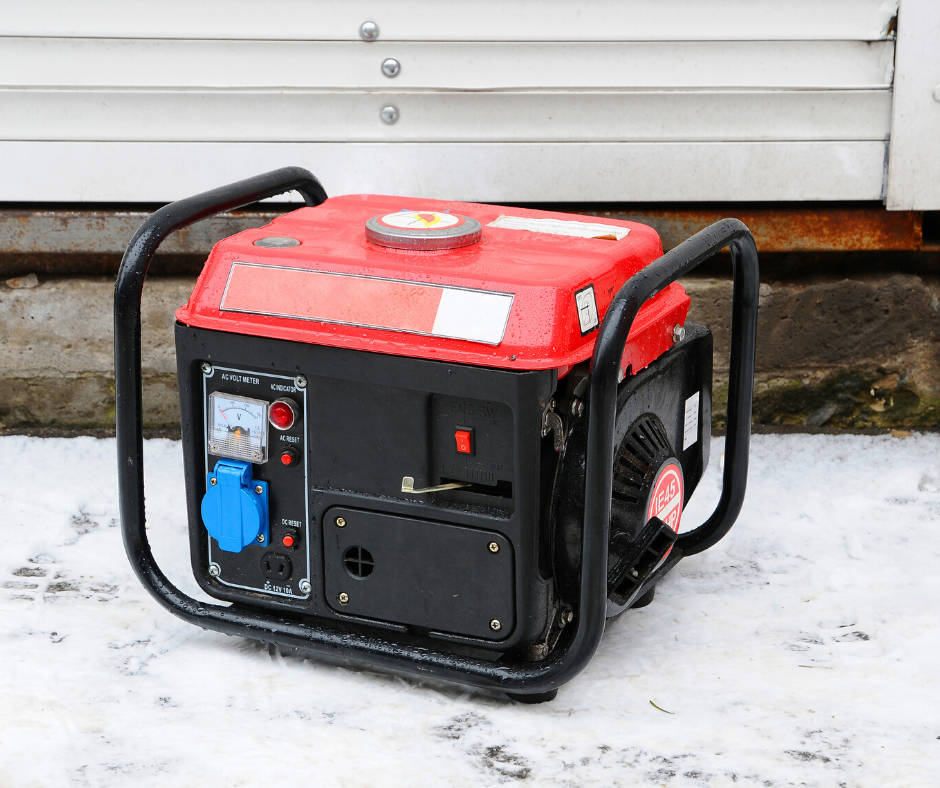
Imagine a storm knocks out your power. You reach for your portable gas generator, thinking it’s the perfect solution.
But have you ever considered the hidden dangers of using it indoors? Many people unknowingly put themselves at risk by overlooking this crucial safety aspect. Portable gas generators might seem like lifesavers, but using them inside your home can lead to life-threatening situations.
You’ll discover why these handy devices can be perilous when used indoors and how to protect your family from the unseen hazards they pose. Get ready to learn vital information that could potentially save your life. You won’t want to miss out on these crucial insights.
Credit: electec.info
Carbon Monoxide Poisoning
Carbon monoxideis a colorless, odorless gas. It forms when fuel burns without enough oxygen. Portable gas generators running indoors produce this dangerous gas.
Burning gasoline or diesel in a closed space creates high levels of carbon monoxide. Without fresh air, the gas builds up quickly.
- Headache
- Dizziness
- Weakness
- Nausea
- Confusion
Breathing carbon monoxide blocks oxygen in the blood. This causes serious damage to organs. High exposure can lead to death.

Credit: www.angi.com
Fire Hazards
Portable gas generatorspose serious fire risks indoors. The fuelthey use is highly flammable. Even a small leak can cause a fire. Generators also produce a lot of heat. This heat can ignite nearby materials.
Sparksfrom the generator or its engine can touch flammable items. Things like paper, cloth, or gasoline containers nearby can catch fire quickly. Sparks are invisible threats that need careful attention.
- Keep generators away from any flammable materials.
- Store fuel in proper, sealed containers.
- Use generators only in well-ventilated outdoor areas.
- Do not refuel while the generator is running or hot.
- Regularly check for fuel leaks and engine sparks.
Ventilation Issues
Proper airflowis essential to reduce dangerous gas buildup indoors. Portable gas generators emit carbon monoxide, a deadly gas you cannot see or smell. Without enough air moving, this gas can collect fast and cause poisoning.
Common ventilation mistakes include:
- Running generators in closed rooms or garages
- Placing generators near windows or doors that remain closed
- Using generators in basements or other low-lying areas
Safe ventilation practices help prevent risks:
- Always operate generators outdoors, far from doors and windows
- Ensure fresh air can flow freely around the generator
- Keep exhaust fumes away from living spaces
- Install carbon monoxide detectors indoors as an extra safety step

Credit: www.youtube.com
Noise And Health Effects
Portable gas generators produce high noise levels. Noise can reach 60 to 90 decibels. This is as loud as a lawn mower or a motorcycle. Loud noise can harm your hearing. Long exposure may cause permanent damage.
Noise indoors is worse due to echo and close space. It can cause headaches, stress, and trouble sleeping. Children and elderly people are more sensitiveto noise.
Ways to reduce noise indoors:
- Place the generator outside, far from windows.
- Use soundproof barriersor blankets around the generator.
- Keep doors and windows closed.
- Wear ear protection if near the generator.
Legal And Safety Regulations
Portable gas generators are not allowed indoorsdue to safety risks. They release carbon monoxide (CO), a deadly gas without color or smell. Safety authorities like OSHA and the CPSC strictly forbid indoor use. This rule helps prevent poisoning and deaths.
Violating these rules can lead to serious legal problems. Fines and penalties can be very high. More importantly, using generators indoors can cause fatal accidents. Always follow safety guidelines to protect lives.
| Safety Authorities | Guidelines | Consequences of Violations |
|---|---|---|
| OSHA | Generators must be used outdoors only | Fines, legal action |
| CPSC | Strict warning against indoor use | Risk of carbon monoxide poisoning |
| Local Laws | Indoor use often illegal | Heavy fines, possible jail time |
Safer Alternatives
Outdoor generator useis the safest choice to avoid harmful fumes. Place generators far from doors and windows. This keeps carbon monoxide outside, where it cannot harm people.
Battery-powered optionsoffer quiet and clean energy. They do not release dangerous gases. These are good for small devices and short power outages.
Emergency preparedness tipshelp keep everyone safe during power loss:
- Keep a working carbon monoxide detector in your home.
- Always read and follow the generator’s safety instructions.
- Store fuel safely, away from living areas.
- Turn off generators before refueling.
- Never run generators in enclosed spaces.
Frequently Asked Questions
Why Are Portable Gas Generators Dangerous Indoors?
Portable gas generators emit carbon monoxide, a deadly, odorless gas. Indoors, it accumulates quickly, causing poisoning and death. Proper ventilation is rare indoors, increasing risk. Never run gas generators inside homes or garages to ensure safety.
Can Carbon Monoxide Detectors Prevent Generator Poisoning?
Yes, carbon monoxide detectors alert you to dangerous gas levels. However, they should not replace safe generator use practices. Always run generators outdoors and away from windows and doors for maximum safety.
What Are Symptoms Of Indoor Generator Carbon Monoxide Poisoning?
Symptoms include headache, dizziness, nausea, confusion, and weakness. In severe cases, loss of consciousness or death can occur. Immediate fresh air and medical help are critical if poisoning is suspected.
How To Safely Operate A Portable Gas Generator?
Operate generators outdoors, at least 20 feet from windows and doors. Keep them on dry, level surfaces. Never use indoors or in enclosed spaces. Follow manufacturer instructions for safe use and maintenance.
Conclusion
Portable gas generators can produce deadly carbon monoxide gas. This gas is invisible and has no smell. Using generators indoors puts everyone at serious risk. Proper ventilation cannot fully remove the danger. Always run generators outside, far from windows and doors.
Safety should be the top priority during power outages. Avoid accidents by understanding these risks clearly. Stay safe, and never use a gas generator inside your home.